Family camping trips offer an unmatched opportunity to disconnect from daily routines and reconnect with nature. However, anyone who has spent an hour wrestling with tangled aluminum poles and color-coded webbing in the fading light knows that traditional shelters can test your patience before the trip even begins. Enter the modern 3-bedroom inflatable tent, a game-changing option that replaces rigid metal frames with robust air-beam technology. By combining rapid setup with expansive, private living zones, these shelters bridge the gap between rugged outdoor exposure and comfortable home living.
For growing families or groups traveling together, investing in the right shelter dictates the overall quality of the outdoor experience. A well-designed multi-room air tent provides distinct boundaries for sleeping and socializing, ensuring that privacy and quiet are maintained even when everyone camps under a single roof. Understanding how these tents function, evaluating their spatial layouts, and knowing what to look for regarding weather resistance will help you choose a model that serves your family reliably for years to come.
The Evolution of Comfort: Why Choose an Inflatable Air-Beam Tent?
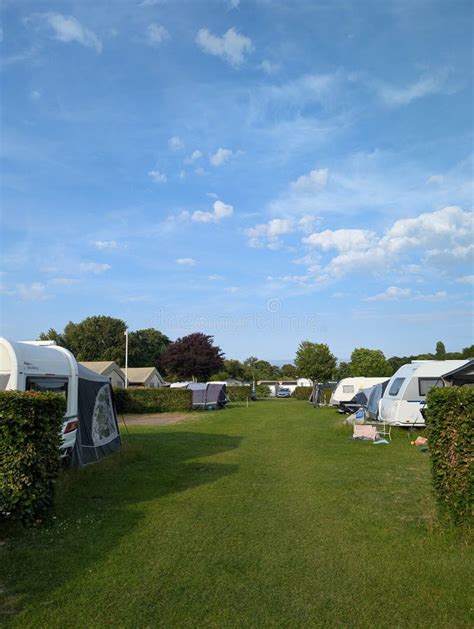
Traditional camping gear requires a steep learning curve and considerable physical dexterity. Threading long poles through tight fabric sleeves while battling a stiff breeze can turn camp setup into an exhausting ordeal. Air-beam tents eliminate these structural headaches by utilizing heavy-duty inflatable tubes in place of traditional metal or fiberglass poles. When inflated, these pressurized columns create a remarkably rigid framework capable of supporting large fabric structures without bending or sagging.
The primary advantage of this technology is the dramatic reduction in physical strain and setup time. Instead of deciphering complex diagrams, campers simply stake out the tent corners, attach a dual-action hand pump or electric pump, and inflate each air channel sequentially. Within minutes, a massive shelter rises smoothly from the ground. This effortless transition from flat fabric to a sturdy cabin allows families to focus their energy on setting up camp furniture, preparing meals, or exploring their surroundings rather than struggling with basic shelter architecture.
Maximizing Privacy and Space: The 3-Bedroom Layout Advantage
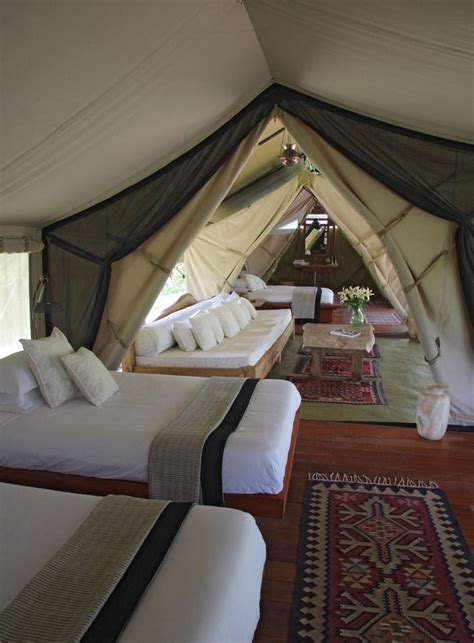
Spatial dynamics can make or break a group camping trip, especially when dealing with different sleep schedules, restless children, or fluctuating weather conditions. A standard single-room tent often results in a chaotic jumble of sleeping bags, luggage, and wet gear where personal space is virtually non-existent. A thoughtfully engineered 3-bedroom configuration solves this issue by creating dedicated zones for different family members or activities.
Typically, these large tents feature two symmetrical sleeping cabins flanking a spacious central communal living area, or three private rooms arranged in a modular line. Parents can claim one end for a queen-size air mattress, kids can occupy the opposite side, and the middle room serves as a mudroom, dining area, or rainy-day lounge. This level of zoning brings a domestic sense of organization to the campsite, offering privacy to change clothes or sleep in while maintaining a central hub for family gatherings.
Evaluating Weather Resistance and Structural Durability
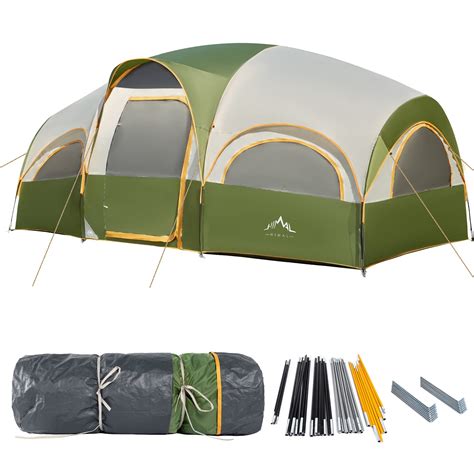
A common skepticism surrounding air-beam tents involves their ability to withstand adverse weather, particularly heavy rain and high winds. It is natural to wonder whether flexible air tubes can hold their ground when nature turns aggressive. Manufacturers engineer these air columns using puncture-resistant thermoplastic polyurethane (TPU) encased in rugged, multi-layered sleeves made from heavy denier polyester or canvas. These beams are designed to flex slightly under strong gusts rather than snap permanently like rigid metal poles.
To ensure maximum safety during stormy conditions, reputable 3-bedroom inflatable tents feature high hydrostatic head waterproof ratings, fully taped seams, and robust storm guy lines. When properly anchored and guyed out, an air tent handles heavy downpours and moderate wind speeds exceptionally well. However, campers must always monitor local forecasts and remain realistic; extreme gale-force winds exceed the safety thresholds of virtually any standard recreational tent, whether framed with air or aluminum.
Packing, Maintenance, and Realistic Storage Considerations
While unpacking a spacious multi-room tent brings excitement, packing it back down requires a methodical approach. Deflation is remarkably fast—simply opening the large dump valves allows the air beams to empty completely within seconds. Rolling and folding the heavy fabric to fit back into its oversized carry bag requires a bit of muscle, as air-beam tents generally weigh more and pack larger than traditional backpacking or simple dome tents due to the added materials and robust construction.
Routine maintenance centers on keeping the tent clean and completely dry before long-term storage to prevent mold and mildew growth. Most inflatable tents ship with comprehensive repair kits containing adhesive patches for quick field fixes should a puncture occur. Treating the air valves with silicone spray periodically and avoiding over-inflation on hot sunny days will also extend the lifespan of your investment, ensuring your family enjoys comfortable outdoor retreats season after season.
Frequently Asked Questions
How difficult is it to inflate a large 3-bedroom air tent?
Inflation is surprisingly straightforward and physically manageable for most adults. Using the hand pump included with most models, inflating the structural beams takes approximately ten to fifteen minutes. Many campers also use high-volume 12V electric pumps that plug into a vehicle accessory port, reducing manual effort to a simple switch-flip while you finish unrolling sleeping bags.
What happens if an air beam punctures while camping?
Modern air beams are constructed with thick, multi-layered jackets that protect the inner bladder from sharp twigs, stones, and accidental damage. If a puncture does occur, the tent will not instantly collapse; air escapes gradually. You can easily locate the leak using soapy water, apply the supplied adhesive patch kit, and reinflate the beam in a matter of minutes.
Are 3-bedroom inflatable tents suitable for camping in all four seasons?
Most large inflatable family tents are classified as 3-season shelters designed for spring, summer, and autumn use. They handle wind and rain exceptionally well, but standard models are not built to support heavy accumulations of winter snow or withstand sub-zero alpine blizzards. For standard family campgrounds and state parks during milder months, they offer ideal climate comfort.
How heavy is a packed 3-bedroom inflatable tent?
Due to their generous dimensions, heavy-duty waterproof fabrics, and robust air tubes, these tents are quite substantial. Packed weights generally range from 45 to 80 pounds, and they are typically transported in wheeled duffel bags designed to fit easily in the trunk of a standard SUV or family car.