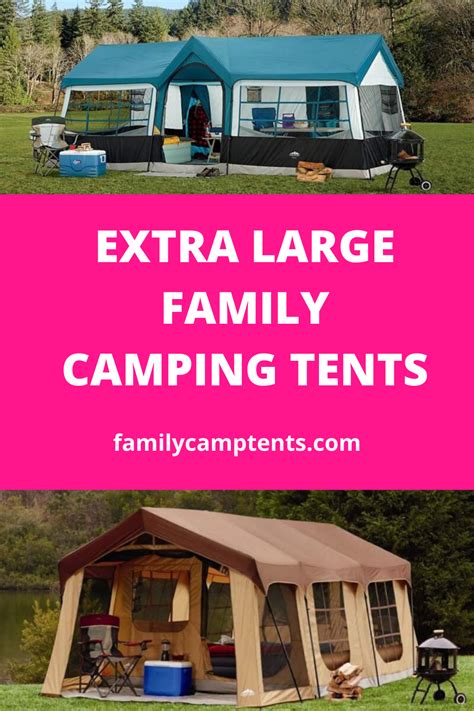
Upgrading your outdoor setup often begins with rethinking your shelter, especially when camping with a larger family or a group of friends. Traditional dome tents can feel cramped after a couple of days in the wilderness, prompting many outdoor enthusiasts to look toward cabin-style structures. Massive multi-room models aim to replicate the comfort of indoor living spaces while remaining portable enough for weekend getaways.
Among the options designed for high-capacity group camping, the Stansport Grand 18 Family Tent stands out for its generous footprint and distinct room configuration. Whether you own a spacious suburban garage to store bulky outdoor gear or you live in an apartment and rely on clever trunk organization, understanding how this tent functions in real-world scenarios helps determine if it fits your lifestyle.
Overview of the Stansport Grand 18 Family Tent
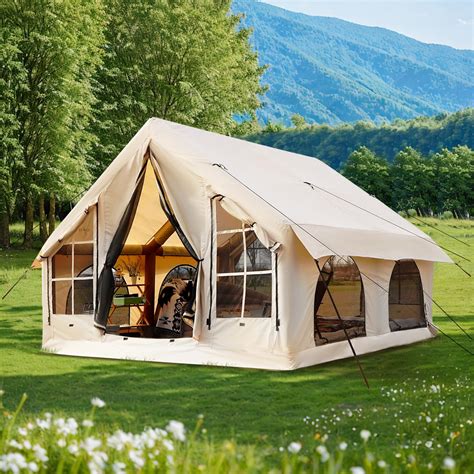
The Stansport Grand 18 is built specifically for campers who refuse to sacrifice personal space when heading into nature. Spanning an impressive eighteen feet, this shelter accommodates multiple occupants comfortably while providing enough headroom to stand upright. Unlike traditional low-profile tents where crawling is mandatory, a towering cabin design changes the entire dynamic of extended camping trips.
For families managing children, gear, and unpredictable weather, having an expansive footprint minimizes clutter and interpersonal friction. The structure relies on sturdy poles and durable wall fabrics to maintain stability against moderate winds while creating separate functional zones. Evaluating how this shelter performs requires looking closely at its internal layout, material strength, and logistical requirements.
Space, Layout, and Room Capacity
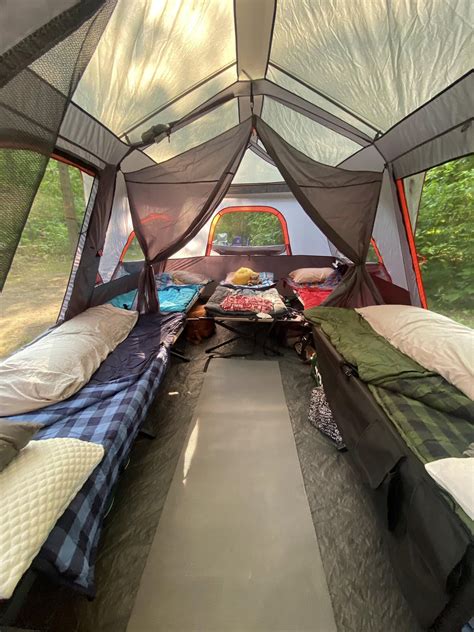
One of the primary selling points of the Stansport Grand 18 is its multi-room configuration. Instead of a single open cavern where everyone sleeps shoulder-to-shoulder, this tent utilizes room dividers to establish distinct areas. Campers can designate separate sleeping quarters for parents and children or create a dedicated common room for storing packs, boots, and camp tables.
Inside an 18-foot tent, furniture arrangement becomes a creative exercise rather than a puzzle. Full-size air mattresses, elevated cots, and camp chairs all fit comfortably without blocking pathways. This level of spatial freedom prevents the claustrophobia that often creeps in during rainy days when outdoor activities get paused and everyone is forced to shelter indoors.
Durability and Weather Resistance

When investing in a large family tent, understanding material resilience is crucial. The Stansport Grand 18 features heavy-duty polyethylene floors designed to keep ground moisture at bay, alongside water-resistant rainflies and coated wall fabrics that shed morning dew and steady rainfall. Proper guy-line tensioning and staking help the cabin profile withstand gusts that might collapse flimsier designs.
However, massive shelters inherently present more surface area to the wind than low-profile backpacking models. Campers must take extra care to stake out every corner and secure all guy lines properly, especially in exposed campsites. While the tent handles typical three-season weather reliably, severe windstorms or heavy winter snow loads fall outside its intended operational scope.
Setup Logistics and Storage Considerations
Managing a tent of this scale requires realistic expectations regarding setup and teardown. A shelter measuring eighteen feet across typically requires at least two adults to pitch efficiently, particularly when threading long poles through sleeves and raising the vertical walls. Reading the instructions ahead of time and practicing a dry run in the backyard prevents frustration at the actual campsite.
Homeowners often appreciate having a dedicated garage corner or shed shelf to house the substantial duffel bag and accessories. Renters with limited closet space, on the other hand, should measure storage areas beforehand to ensure the packed tent fits comfortably alongside other seasonal gear without causing clutter at home.
Homeowners Versus Renters: Camping Comfort and Lifestyle Fit
Choosing a large family tent involves lifestyle considerations that extend beyond the campsite boundaries. Homeowners often enjoy ample storage space and driveways capable of loading large bins of camping equipment directly into a vehicle. This makes transporting a heavier, multi-room tent feel effortless and routine.
Renters can certainly enjoy the exact same luxury of space, but they must balance gear storage limitations with travel logistics. If you live in an apartment, investing in durable storage totes and checking elevator or trunk capacities ensures that hauling an expansive shelter remains a pleasant weekend ritual rather than a logistical hurdle.
Frequently Asked Questions
How spacious is the Stansport Grand 18 Family Tent?
The tent spans eighteen feet and provides extensive floor space and high ceilings, allowing occupants to stand upright and fit multiple air mattresses or cots comfortably.
How many rooms or zones does the tent feature?
It features a multi-room layout equipped with interior dividers, enabling campers to separate sleeping areas from common storage zones for enhanced privacy.
Is this tent suitable for beginner campers?
While beginners can certainly use it, the sheer size means setup is best managed by at least two people who take time to review instructions and practice before heading out.
What kind of weather conditions can the Stansport Grand 18 handle?
It is designed for standard three-season camping, offering reliable water resistance and sturdy walls against moderate rain and wind when properly staked.
How easy is it to transport and store?
The tent packs down into a substantial duffel bag. Homeowners with garages will find storage simple, while renters should measure their storage closets to ensure a good fit.