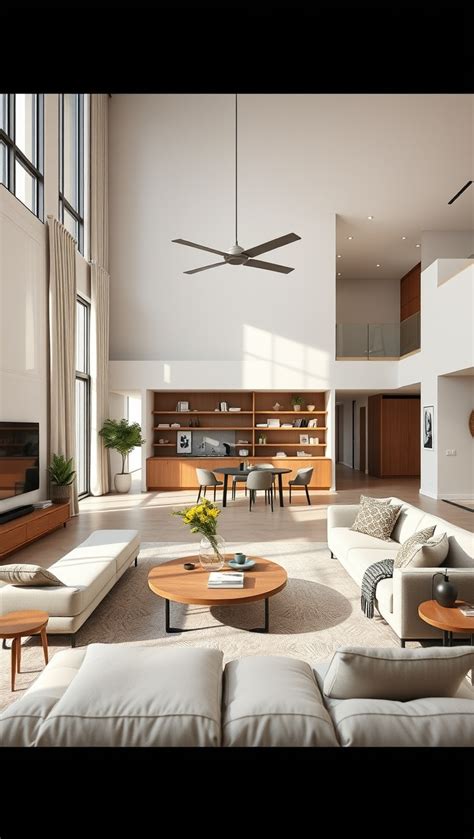
Designing a living room that successfully balances plush comfort with everyday tidiness is a common challenge for homeowners and renters alike. Modern spaces must work harder than ever, serving as entertainment zones, quiet reading nooks, and family gathering spots all at once. When floor space is at a premium, choosing furniture that multi-tasks becomes essential rather than optional. Ainehome’s manual recliner sofa set offers a compelling response to these domestic demands by pairing deep, supportive seating with built-in organizational features.
Evaluating a major furniture purchase requires looking past showroom styling to understand how the pieces function during a typical Tuesday evening at home. Large sectional or multi-piece sofa setups can anchor a room visually, but they also dictate traffic flow and storage capacity. By examining how manual reclining mechanisms and hidden console compartments interact, you can determine whether this configuration aligns with your household’s daily routines and spatial limits.
The Ergonomic Anatomy of Manual Reclining
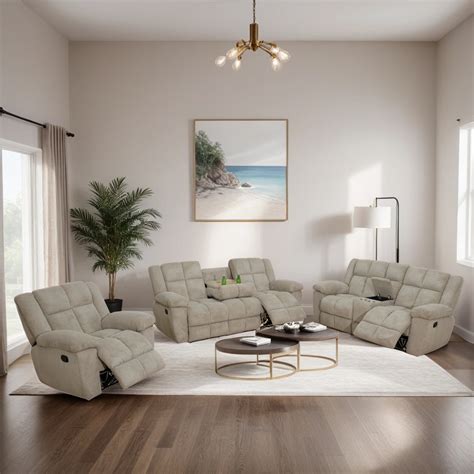
Ergonomics in living room furniture goes far beyond a soft cushion; it involves proper lumbar support, neck alignment, and the ability to shift pressure points throughout the body. Manual reclining systems rely on a user-controlled latch or pull mechanism that engages a footrest and tilts the backrest smoothly. This physical interaction allows you to find your preferred angle of relaxation instantly without waiting for motorized gears to adjust. For individuals who spend long hours sitting, changing recline angles manually provides a tactile, reliable way to relieve lower back strain after a demanding workday.
Choosing a manual system over a power recliner also introduces specific structural and practical trade-offs worth considering. Without cords, motors, or electrical outlets to worry about, positioning the sofa set becomes remarkably flexible; you are never restricted by wall plug proximity or tangled cords running across high-traffic floors. Furthermore, manual components feature fewer mechanical failure points, making them a durable choice for active households with children or pets. The straightforward mechanical design ensures long-term reliability while delivering targeted physical relief whenever you need to unwind.
Integrating Smart Storage Solutions Into Your Seating
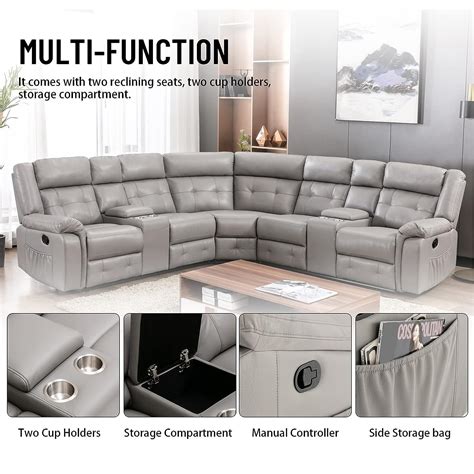
Living room clutter often accumulates in plain sight, from TV remotes and charging cables to reading glasses and game controllers. Integrated storage consoles embedded directly within sofa sets offer a discreet sanctuary for these everyday items, keeping surfaces clean and organized. Center consoles often feature deep storage compartments paired with built-in cup holders, transforming the sofa into a self-contained relaxation hub. This architectural integration means you no longer need bulky side tables or extra bins to keep your entertainment essentials within arm’s reach.
Maximizing small-scale storage within your primary seating arrangement changes how you use the room’s remaining perimeter space. By absorbing items that typically spill over onto coffee tables, the console compartments help maintain an open, uncluttered aesthetic even in compact or medium-sized apartments. When reviewing your layout options, consider how console placement affects armrest accessibility and whether the lifting lids clear nearby throw pillows or blanket baskets. Thoughtful placement ensures that accessing your stored items remains effortless during movie nights or casual gatherings.
Spatial Planning and Layout Strategies for Large Sofa Sets
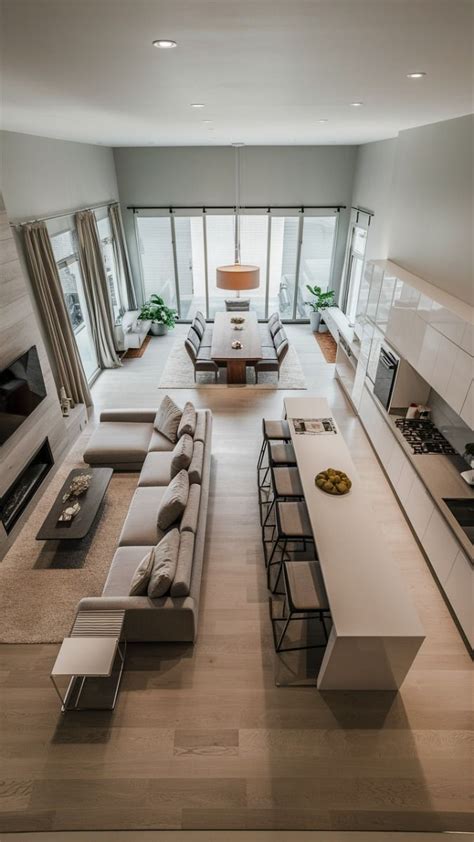
Bringing a comprehensive seating configuration like a multi-piece manual recliner set into your home requires careful measurement of both floor dimensions and clearance requirements. Reclining furniture inherently changes its footprint as the footrests extend and the backs tilt outward, meaning you must leave appropriate breathing room between the sofa and surrounding walls or coffee tables. In an open-concept American living room, floating the furniture arrangement slightly away from the perimeter walls helps define conversational zones while leaving adequate clearance for full extension.
Balancing visual weight in the room prevents a large sectional or sofa set from dominating the overall interior design scheme. Pairing substantial upholstered pieces with lighter elements—such as a glass-topped coffee table, slim metal floor lamps, or neutral woven area rugs—keeps the space feeling airy and deliberate. If your room features architectural focal points like a fireplace or a large picture window, orient the primary reclining seats to frame these views while maintaining smooth pathways toward doorways and adjacent dining areas.
Materials, Maintenance, and Everyday Durability
The longevity of an active-use furniture set depends heavily on surface materials, frame construction, and routine upkeep. Synthetic leather, bonded leather, or high-performance microfiber fabrics are frequently chosen for family-friendly reclining sets because they withstand daily friction while offering straightforward cleaning routines. Spills and dust can be managed efficiently with a damp cloth and mild soap, preventing stains from setting into the dense cushioning beneath. Inspecting the reclining hinges and frame joints periodically ensures that the mechanical components continue to operate smoothly over years of regular use.
Understanding how your household interacts with the furniture will guide your choice of upholstery and maintenance schedule. Homes with pets or high foot traffic benefit greatly from durable, scratch-resistant fabrics that do not easily trap pet hair or show wear patterns along the armrests. By establishing a simple weekly cleaning habit—such as vacuuming crevices and wiping down console surfaces—you preserve both the visual appeal and the structural integrity of your manual recliner set, ensuring it remains a comfortable centerpiece for years to come.
Frequently Asked Questions
Do manual recliner sofa sets require a lot of space behind them to recline?
Most traditional manual recliners require a small amount of clearance from the wall to fully extend the backrest. However, specific wall-hugger designs are engineered to slide forward as they recline, making them ideal for tighter spaces where every inch counts.
How do integrated storage consoles compare to traditional coffee tables?
Integrated consoles provide hidden, dust-free storage right at your seat, which is fantastic for keeping remotes and chargers out of sight. While they cannot replace the expansive surface area of a large coffee table, they significantly reduce surface clutter in smaller living rooms.
Are manual recliners difficult to push back into the closed position?
Modern manual mechanisms are balanced to respond easily to body weight and leg pressure. Closing the footrest simply requires a gentle downward push with your heels until the latch clicks securely into place, requiring minimal physical effort.