When designing a functional living room or open-concept entryway in a typical American home, floor space is often at a premium. Whether working with a compact urban apartment or a cozy suburban layout, finding furniture that adds surface area without obstructing traffic flow is a constant design puzzle. Modern slim console tables offer an elegant solution to this challenge, providing a sleek footprint that hugs walls or anchors the back of a sofa seamlessly.
Choosing the right piece requires looking beyond basic aesthetics to evaluate depth, structural materials, and how the table interacts with your existing architecture. By understanding standard dimensions, placement configurations, and styling frameworks, homeowners can transform neglected transition zones into sophisticated focal points that elevate the entire interior design.
Defining the Ideal Slim Profile and Dimensions

In interior design terminology, a standard console table usually features a depth of 14 to 18 inches. However, modern slim console tables typically shrink that profile down to a narrow 8 to 12 inches. This seemingly minor reduction makes a massive difference when you are trying to maintain a comfortable three-foot walking clearance in high-traffic hallways or compact living room walkways.
Before purchasing any narrow furniture piece, measure your baseboards and check for wall-mounted heating vents or electrical outlets. Standard baseboards in U.S. homes can add up to an inch of thickness at the floor level, which might prevent a console table from sitting completely flush against the drywall. Opting for a design with open metal legs or adjustable floor levelers ensures the table remains stable even when dealing with older, slightly uneven hardwood flooring.
Strategic Placement: Behind the Sofa Versus Entryway Foyers
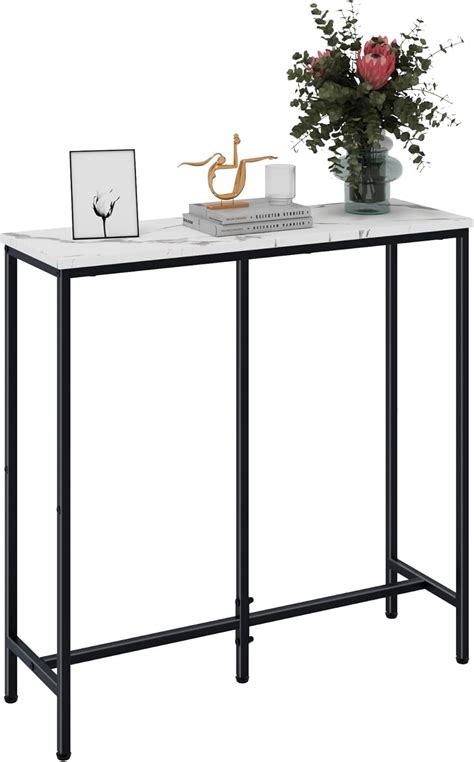
Placing a slim console table directly behind a floating sofa is one of the most effective ways to define zones in an open-concept living space. To achieve visual harmony, the console should ideally be a few inches lower than the sofa back and span roughly two-thirds of its total length. This prevents the furniture arrangement from looking blocky or awkward while creating a convenient drop zone for reading glasses, coasters, or accent lighting.
In narrow entryways or apartment foyers, a slim console acts as a functional welcome station. Because entry zones set the tone for your entire home, keeping the surface free of clutter is essential. Pairing an ultra-narrow console with a wall-mounted mirror and a minimalist catch-all tray maximizes utility without overwhelming a small entryway footprint.
Material Trends That Expand Small Spaces Visually
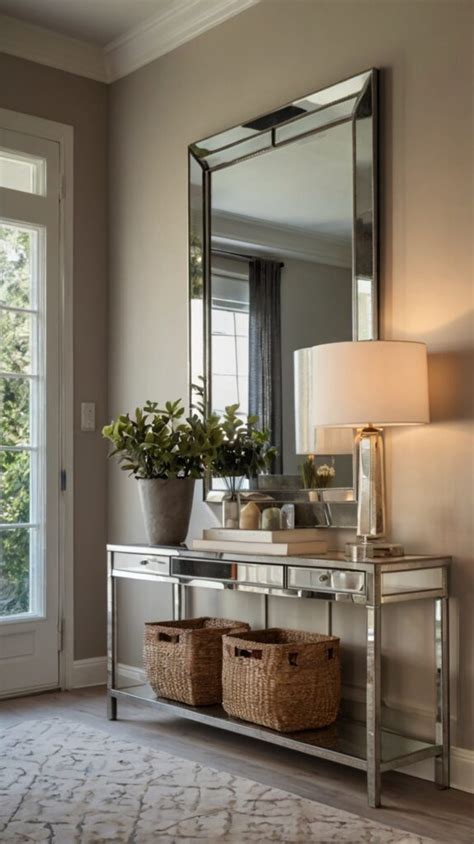
The materials you select for your slim console table play a crucial role in how expansive or cramped your living room feels. Tempered glass tops paired with polished brass or matte black iron frames create a nearly invisible visual footprint. Because light passes straight through glass, the room retains an airy, unobstructed atmosphere that heavy solid wood simply cannot match in tighter quarters.
Conversely, if your design scheme calls for warmth and organic texture, look for narrow consoles crafted from slatted light oak, walnut veneer, or faux marble. Slatted wood cabinet doors or lower shelves provide hidden storage for remote controls and charging cables while maintaining a streamlined silhouette. When dealing with compact spaces, satin and matte finishes are generally preferred over high-gloss options to minimize harsh glare from overhead lighting or large windows.
Safety, Anchoring, and Stability Considerations
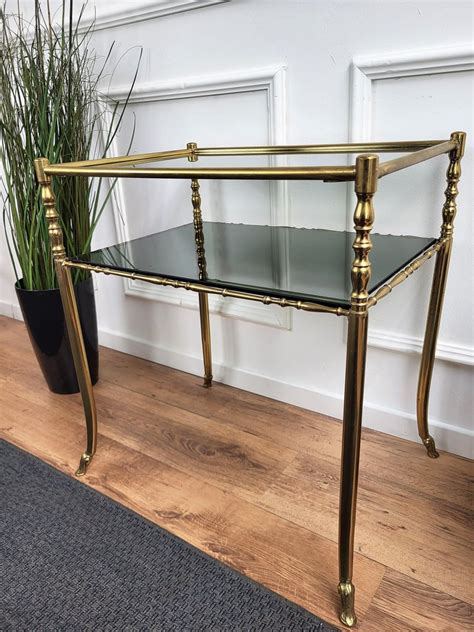
Because modern slim console tables possess a very narrow base-to-height ratio, they are inherently more susceptible to tipping if bumped firmly. This factor is especially critical in households with active children, climbing cats, or large dogs whose wagging tails can easily swipe items off a shallow tabletop. Prioritizing stability during the selection process safeguards both your decor investments and your family.
Most quality slim console tables ship with anti-tip hardware kits designed to anchor the frame securely to wall studs or drywall anchors. If your rental lease prohibits drilling into the walls, look for heavy-weighted iron bases or designs featuring low-slung lower shelves that naturally lower the center of gravity. Distributing weight evenly by placing heavier books or storage baskets on the bottom tier also improves overall stability.
Layering Decor and Accessories Using the Rule of Thirds
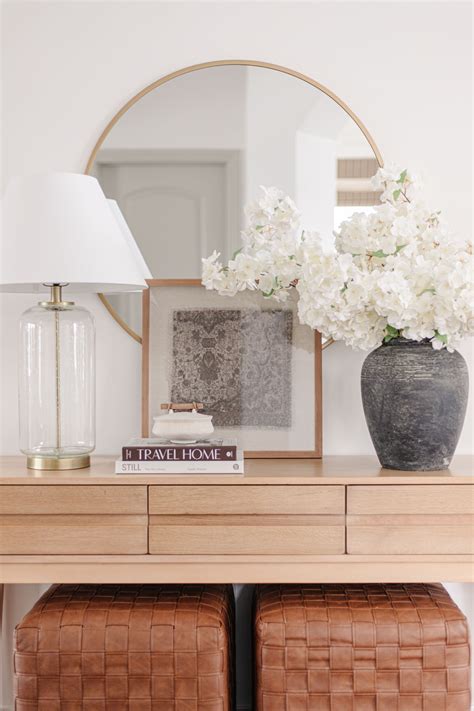
Styling a narrow console table requires restraint, as overcrowding a shallow surface instantly results in visual clutter. Utilizing the classical rule of thirds helps create balanced, editorial-style vignettes without overwhelming the slim proportions of the furniture. Start by anchoring one side of the table with a tall element, such as a sculptural table lamp or a slender ceramic vase with dried botanicals.
In the middle tier, place a stack of two or three art books topped with a decorative bowl or metal sculpture to add textural contrast. Leave the remaining third of the surface relatively open to maintain that clean, uncluttered modern aesthetic. Incorporating a slim tray or woven basket underneath the console provides a dedicated spot to corral everyday clutter out of sight, keeping your living room looking pristine and intentional.
Frequently Asked Questions
What is considered a ‘slim’ depth for a console table?
A standard console table typically measures between 14 and 18 inches in depth. In contrast, a slim or narrow console table usually features a depth of 8 to 12 inches, making it ideal for tight hallways, small entryways, and behind-the-sofa layouts.
How do I style a narrow console table behind a sofa?
Ensure the console table is slightly lower than the back of your sofa and spans about two-thirds of its length. Style it with a balanced arrangement featuring a low-profile lamp on one side, a small stack of books in the center, and a minimalist decorative tray.
What materials work best for small living rooms to make them feel larger?
Tempered glass tops combined with slim metal frames are excellent for small spaces because they allow light to pass through, creating an open, airy visual effect. Light-colored woods and reflective finishes also help bounce natural light around the room.
How can I secure a slim console table safely against a wall?
Because narrow tables have a high center of gravity relative to their footprint, always use the manufacturer-provided anti-tip brackets to secure the frame directly to wall studs. If renting, look for weighted bases or sturdy models with wide lower shelving for added stability.
What are the best ways to incorporate storage into a narrow entryway?
Choose a slim console table that features a lower shelf or built-in drawers. Supplement the tabletop with shallow decorative baskets or trays to hold keys, mail, and everyday essentials without sacrificing the clean, uncluttered look of your foyer.