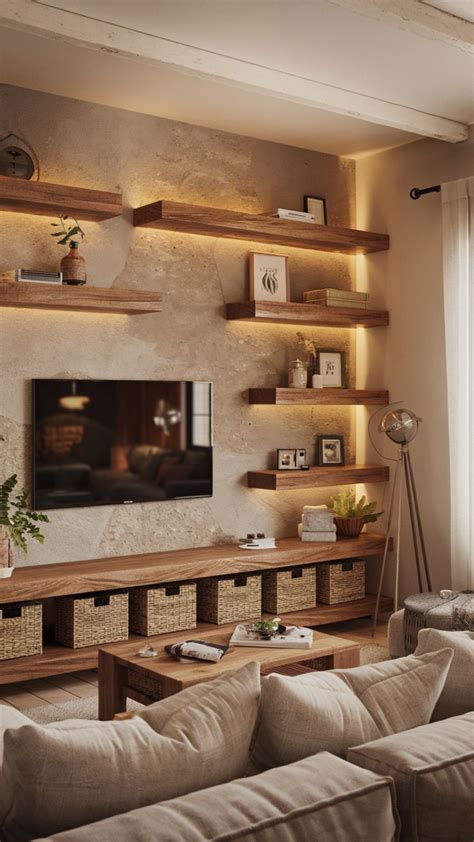
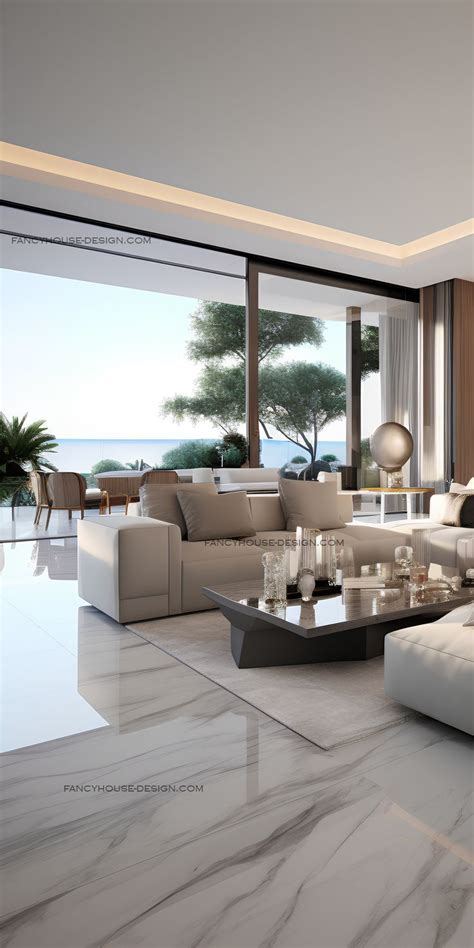
When furnishing a modern home, selecting the right seating arrangement sets the tone for the entire household. Selecting stylish living room sets involves far more than simply matching a sofa to a loveseat or armchair out of a showroom catalog. Today’s U.S. households require furniture that gracefully handles daily life—from remote work sessions and family movie nights to hosting weekend guests—while maintaining a sophisticated aesthetic. Balancing comfort, durability, and spatial harmony requires a thoughtful evaluation of how your household actually uses the living area.
Many homeowners and renters face the challenge of bridging the gap between high-end design trends and practical, real-world durability. Whether you are outfitting a compact urban apartment in Chicago or an expansive suburban open-concept living room in Austin, understanding how to select and style these cohesive collections helps you avoid costly layout mistakes. By focusing on multi-functional design, resilient materials, and personalized styling touches, you can create a welcoming retreat that feels curated rather than generic.
Defining Modern Comfort and Versatility
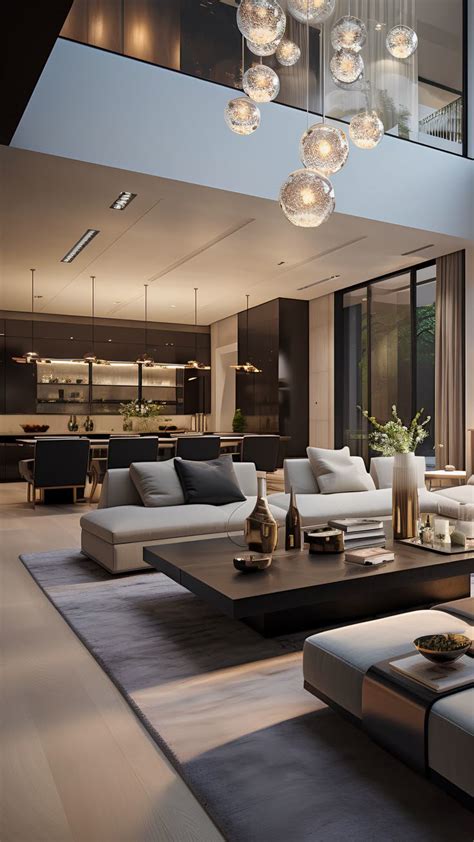
Modern comfort has evolved past overstuffed cushions and bulky silhouettes. Today, ergonomic support and streamlined profiles coexist beautifully. A truly versatile living room set adapts to changing spatial needs and lifestyle routines. For instance, modular components allow households to reconfigure seating arrangements when hosting gatherings or transforming a corner into a temporary home office zone.
When evaluating comfort levels, consider cushion density and frame construction rather than just initial softness. High-resilience foam wrapped in down-alternative channels offers lasting support that resists sagging over years of heavy daily use. Versatility also means choosing furniture pieces that perform multiple duties, such as ottomans with hidden storage or sleeper sofas that accommodate overnight visitors without sacrificing visual elegance in smaller spaces.
Tailoring Configurations to U.S. Room Sizes
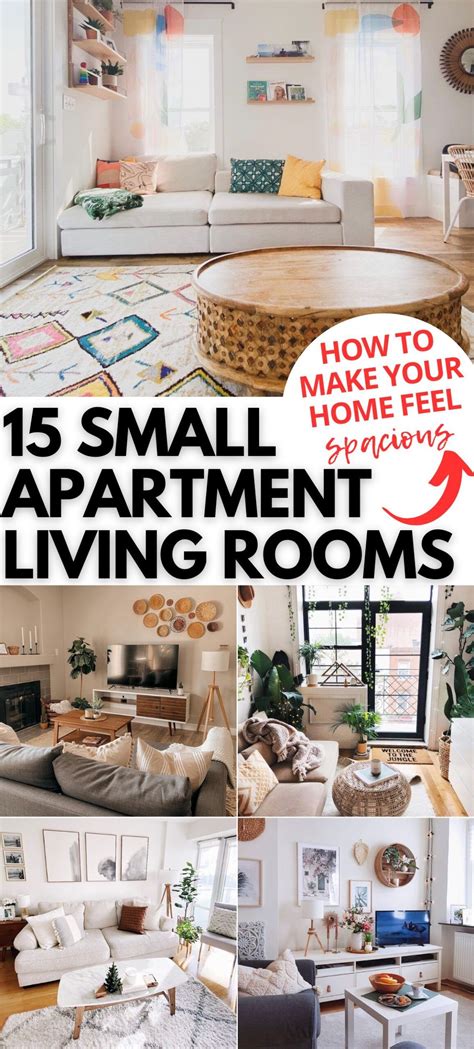
Spatial constraints dictate how well a living room set functions within a home. Typical American living spaces range from narrow urban brownstone apartments to expansive suburban great rooms. Accurately measuring your room dimensions and mapping out traffic pathways is a vital first step before purchasing any multi-piece furniture collection.
Apartments and Compact Urban Spaces
In smaller urban footprints, bulky matching sets can easily overwhelm the room. Instead, look for streamlined apartment-scale sofas paired with a single lightweight accent chair or a nesting coffee table set. Elevated furniture legs create a greater sense of visual floor space, making compact rooms feel lighter and more open. Multi-functional pieces, such as a loveseat paired with a storage ottoman, maximize utility without crowding the square footage.
Open-Concept Suburban Layouts
Open-concept homes present the opposite design challenge: defining distinct zones without building physical walls. Large sectional sets paired with matching accent chairs or console tables placed behind the sofa help anchor the living space within a larger expanse. Choosing a cohesive set that looks polished from every angle ensures the back of the sofa, which is often visible from the kitchen or dining area, maintains a clean and attractive profile.
Balancing Durability with Aesthetic Appeal
A stylish living room set must withstand the realities of everyday household traffic, which frequently includes children, pets, and frequent entertaining. Prioritizing durability does not mean compromising on style. Modern performance fabrics, such as tightly woven chenille, heavy-duty linen blends, and high-performance velvets, offer exceptional stain resistance and cleanability while maintaining a luxurious texture.
Leather and faux-leather options also provide incredible longevity and a timeless aesthetic that develops a rich patina over time. When reviewing frame construction, look for kiln-dried hardwood frames and reinforced corner-blocked joints. These structural details ensure that your furniture investment remains sturdy and dependable, preventing creaking or structural failure long after delivery day.
Styling Matching Sets to Look Curated
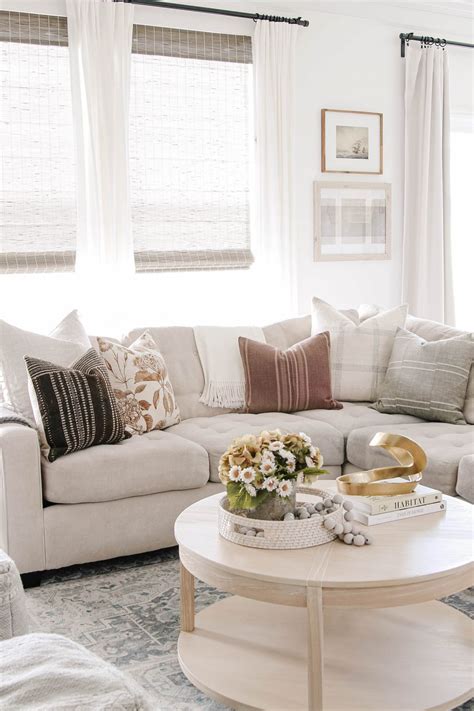
One common pitfall of buying a complete living room set is the risk of making the space look like a rigid furniture showroom. To achieve a more personalized, designer-inspired look, focus on layering textures, colors, and heights. Break up the visual uniformity of a matching sofa and loveseat by introducing contrasting throw pillows in varying fabrics, such as leather, boucle, and patterned cotton.
Additionally, incorporate accent tables made from different materials, such as a reclaimed wood coffee table or a brushed brass side table, to add depth to the room. Ground the entire seating area with an appropriately sized area rug that extends under the front legs of all major furniture pieces, tying the individual components together into a cohesive, inviting vignette.
Frequently Asked Questions
What defines a versatile living room set for modern homes?
A versatile living room set features modular flexibility, durable and easy-to-clean materials, and multi-functional elements like storage ottomans or adaptable configurations that suit both daily relaxation and hosting guests.
How can I make a matching living room set look less like a showroom?
You can break up uniformity by layering contrasting throw pillows, mixing accent furniture materials (like wood and metal side tables), and adding an area rug and varied lighting to create personal depth.
What furniture features should renters look for?
Renters should prioritize modular designs, apartment-scale dimensions, lightweight frames that are easy to move during relocations, and durable performance fabrics that handle frequent moving and different room layouts.
How do I choose the right configuration for an open-concept home?
In open-concept layouts, use larger sectionals or sofas paired with console tables placed behind the backrest to anchor the seating zone and visually separate the living area from adjacent spaces.