When planning a living room layout, selecting the primary seating piece sets the tone for the entire household. Few furnishings carry the same effortless reputation for longevity, character, and adaptability as a well-crafted leather sofa. Whether anchoring a spacious open-concept suburban living room or defining a cozy metropolitan apartment, leather seating bridges the gap between sophisticated aesthetics and everyday practicality. Understanding why these pieces maintain their status across decades helps homeowners make confident interior choices that withstand shifting trends.
Rather than looking dated or overly formal, modern leather furniture has evolved to suit diverse American lifestyles. From rich caramel tones that warm up minimalist urban spaces to dark charcoal finishes grounding traditional family dens, the material interacts dynamically with surrounding textures and light. Examining the practical realities of quality grades, daily maintenance, and climate behavior ensures that investing in a leather centerpiece is a decision you will appreciate for years to come.
The Enduring Appeal of Leather in American Interior Design
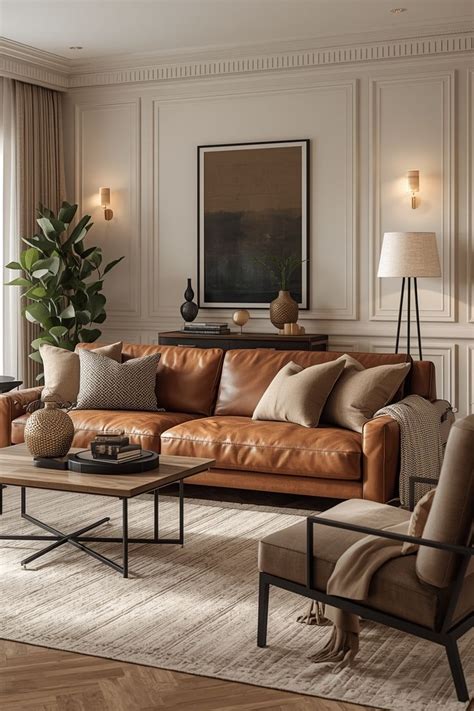
The timeless nature of leather stems from its unique ability to age gracefully. Unlike synthetic fabrics that may pill, fade, or show permanent staining after a few years of heavy household use, high-grade leather develops a rich patina over time. Every crease and softening of the material tells a story, making the sofa look better the longer it is lived in. This characteristic resonates deeply with homeowners seeking sustainable, long-lasting investments rather than fast-furniture alternatives that require frequent replacement.
Furthermore, leather transcends specific interior design genres with remarkable ease. In a sleek urban loft, a streamlined cognac leather sofa introduces organic warmth against exposed brick and metal accents. In a traditional suburban home, a deep tufted Chesterfield style adds classic architecture and refined comfort. This stylistic elasticity means that if you decide to repaint your walls or swap out your accent chairs, your leather sofa will likely remain the versatile anchor of the updated room.
Navigating Leather Grades: Full-Grain, Top-Grain, and Beyond
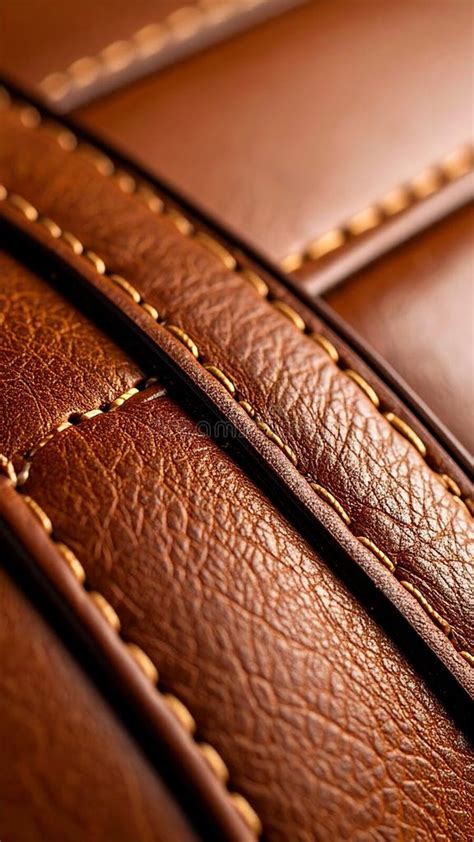
Making an informed investment requires looking past the surface label and understanding the grading system of leather. Full-grain leather represents the highest quality tier, utilizing the entire hide with all its natural markings intact. It breathes exceptionally well, feels luxurious to the touch, and develops the most striking patina. While it requires a higher initial financial commitment, full-grain upholstery can easily last for decades with minimal routine conditioning.
Top-grain leather is another popular option for family households, as the outer surface is lightly sanded to remove minor imperfections and treated with a protective finish. This makes it slightly more resistant to spills and stains, which is particularly beneficial for homes with children or pets. Understanding these distinctions helps buyers balance upfront budget constraints with long-term durability expectations, ensuring the chosen material aligns with everyday household habits.
Scaling Leather Seating for Apartments and Suburban Homes
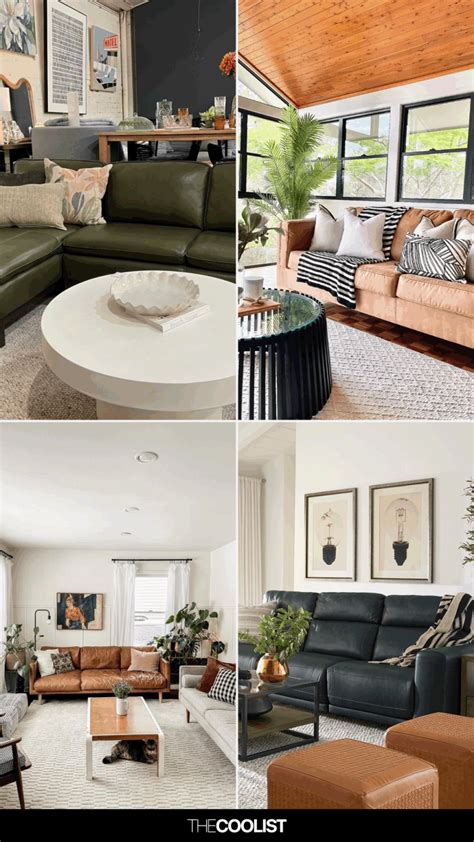
A common misconception is that leather sofas are exclusively suited for massive family rooms with soaring ceilings. In reality, modern furniture manufacturers design scaled-down leather loveseats, apartment-sized sofas, and modular sectionals tailored specifically for compact American footprints. A light-colored top-grain leather sofa in ivory, taupe, or soft tan can actually make a small apartment living room feel more expansive by reflecting natural light through the space.
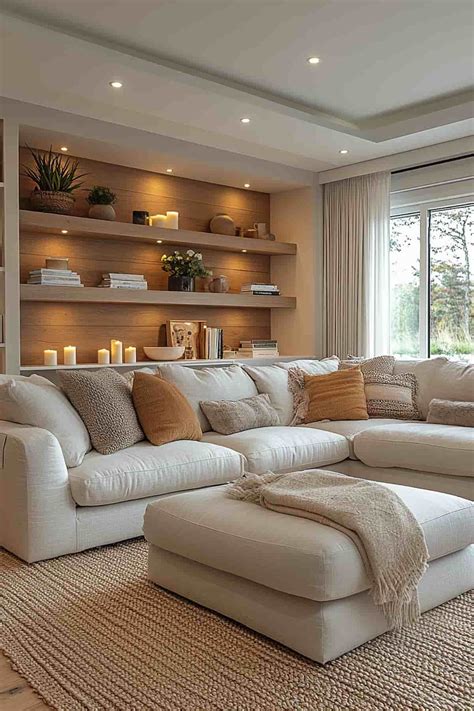
In larger suburban homes, leather furniture provides the necessary visual weight to anchor generous layouts. A deep L-shaped sectional creates a natural boundary in an open-concept floor plan, separating the living zone from the kitchen and dining areas. By pairing the substantial presence of leather with appropriately scaled coffee tables and media consoles, you achieve a balanced, intentional room layout regardless of your square footage.
Balancing Comfort, Climate, and Maintenance Realities
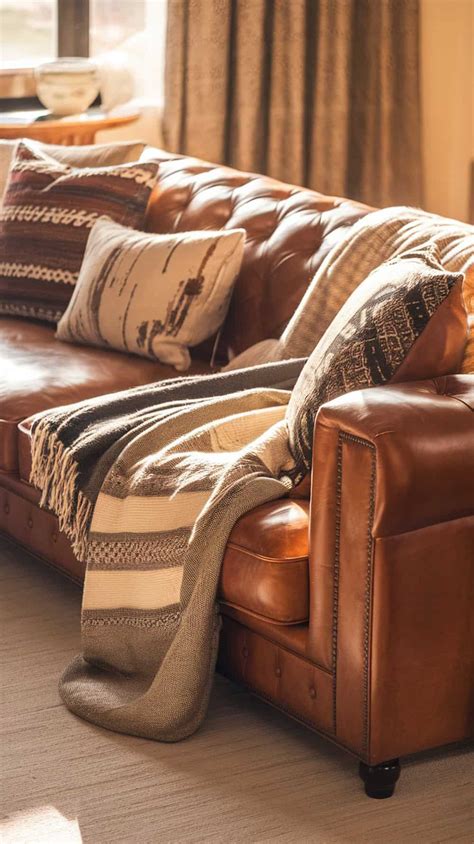
Comfort is a personal metric, but leather offers distinct climatic advantages when paired with thoughtful interior styling. In colder regions, leather adapts quickly to room temperature once you sit down, and adding chunky knit blankets or textured pillows instantly creates a cozy, inviting microclimate. In warmer southern climates, breathable top-grain and full-grain leathers remain cooler than synthetic vinyl or cheap faux-leather alternatives that trap body heat.
Maintenance is surprisingly straightforward, requiring little more than a soft microfiber cloth for dusting and an occasional specialized leather conditioner to prevent drying out. While sharp pet claws require caution, everyday dust and accidental liquid spills wipe away cleanly without penetrating deep into woven fabric fibers. This makes leather an unexpectedly practical choice for busy households prioritizing both low-maintenance upkeep and high-end visual polish.
Frequently Asked Questions
Why are leather sofas considered a timeless furniture choice?
Leather sofas are considered timeless because the material naturally improves with age, developing a unique patina rather than wearing out. Their neutral tones and organic texture also allow them to adapt effortlessly to changing design trends and paint colors.
Are leather sofas suitable for smaller apartments?
Yes, leather sofas work wonderfully in apartments when you select the right scale and color. Compact two-seater styles or lighter shades like tan and cream can help keep a small room feeling open, airy, and visually balanced.
How do leather sofas hold up against kids and pets?
Top-grain leather with a protective finish holds up very well to everyday family life because spills wipe up easily and it does not trap dust mites or pet dander the way fabric upholstery does. However, sharp pet claws can puncture or scratch softer hides, so routine nail trimming is recommended.
How can you keep a leather sofa from feeling cold in the winter?
You can easily warm up the tactile experience of a leather sofa by layering it with soft, textured textiles such as wool throw blankets, faux-fur accent pillows, and placing a plush, high-pile area rug underneath the seating arrangement.