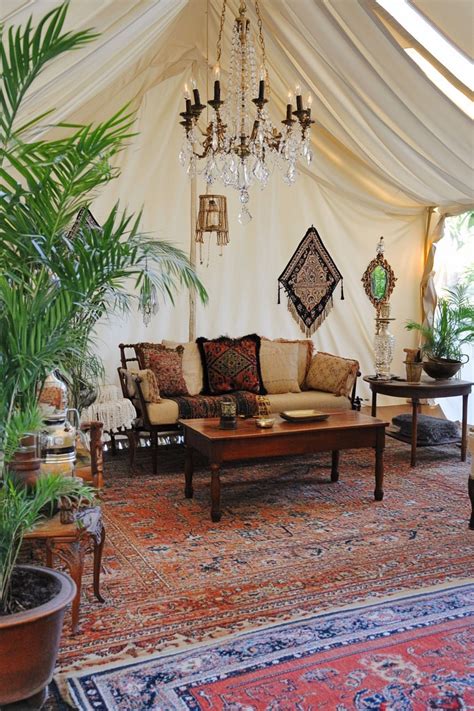
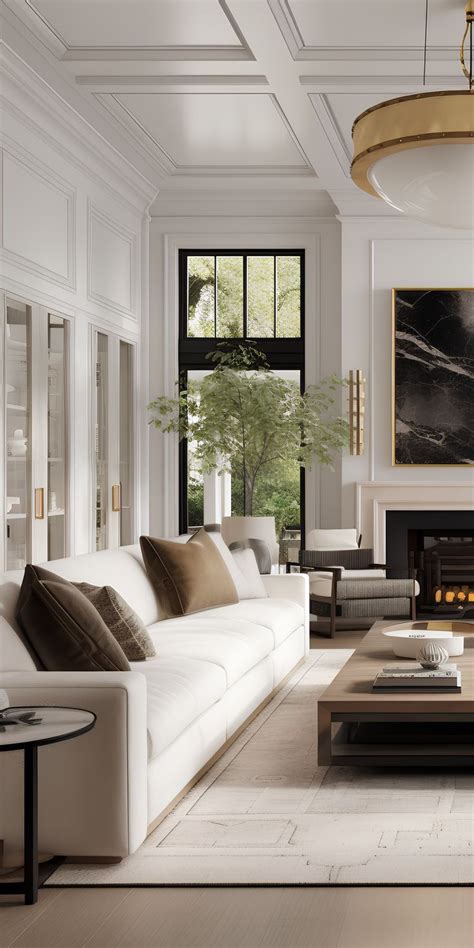
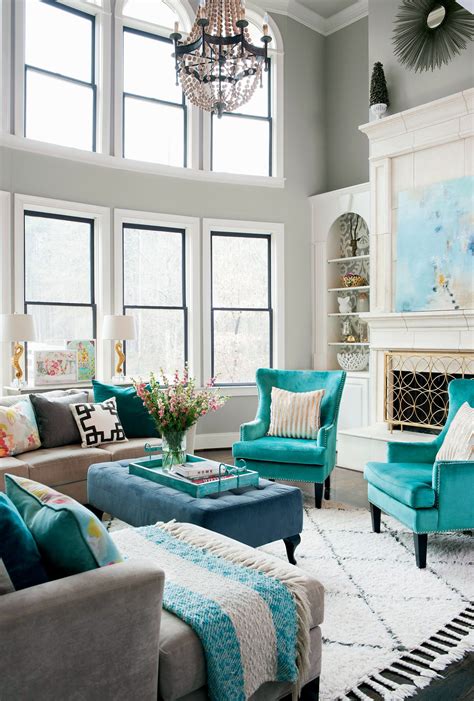
Finding the ideal seating for your living room often feels like an exercise in compromise. Mass-produced furniture found in standard showrooms is typically designed for generic floor plans, leaving many American homeowners and renters struggling with couches that are either too bulky, too shallow, or entirely mismatched with their interior design aspirations. When standard retail options fall short, turning to custom sofas and couches offers a tailored solution that addresses both physical space constraints and deeply personal aesthetic preferences. By prioritizing bespoke comfort, you gain absolute control over the dimensions, internal construction, and exterior finish of your primary gathering space.
Investing in a custom couch is much more than a simple exercise in upholstery selection; it is a collaborative design process that transforms how a room functions day in and day out. Whether you live in a historic brownstone with narrow entryways, a sprawling suburban ranch with an open-concept layout, or a high-rise urban apartment, custom furniture adapts directly to your architectural realities. Understanding the steps involved in this process helps demystify the investment, ensuring that your custom seating delivers enduring structural integrity and everyday relaxation for years to come.
Why Invest in a Custom Sofa Over Mass-Produced Alternatives?
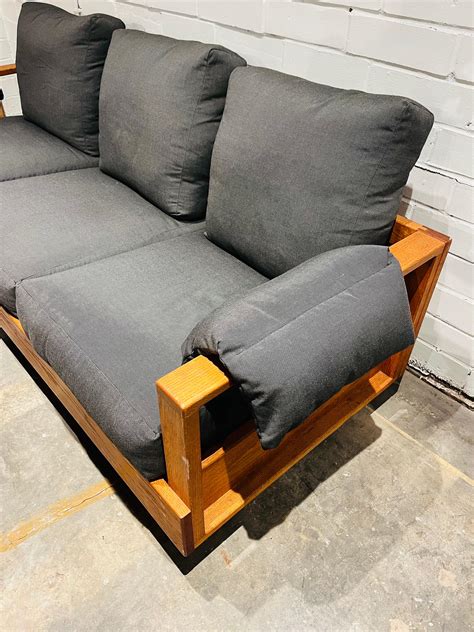
The primary advantage of purchasing a custom-built couch lies in the precision of fit and the transparency of material quality. Mass-market manufacturers often cut corners on hidden structural elements to maintain low price points, utilizing particle board frames and low-density foam that sags within a few years of regular use. In contrast, reputable custom furniture makers construct pieces from the ground up, allowing you to examine and select the exact components that dictate longevity, such as kiln-dried hardwood frames and high-resiliency cushion cores wrapped in down-proof ticking.
Beyond durability, custom furniture frees you from the tyranny of standard showroom dimensions. If you are exceptionally tall and require a deeper seat to lounge comfortably, or if you have a compact room that demands a shallow profile without sacrificing seating capacity, custom manufacturing accommodates these exact requirements. Rather than forcing your lifestyle to adapt to a pre-made product, bespoke furniture bends to the geometry of your daily habits, ensuring that every inch of your living room serves a genuine purpose.
Measuring Your Space and Assessing Layout Needs
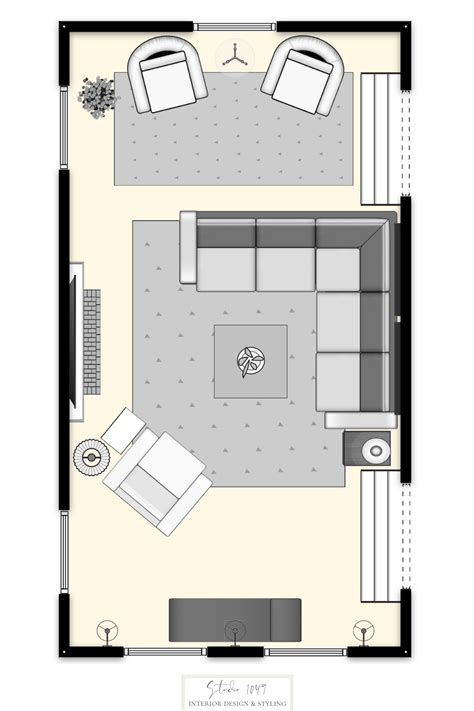
Before exploring fabric swatches or arm styles, accurate spatial planning is essential for a successful custom furniture project. Begin by mapping out your living room on paper or using digital floor-plan software, noting the exact placement of windows, heating vents, electrical outlets, and doorways. A common oversight is failing to measure the clearance of stairwells, elevators, and exterior entry doors, which can result in a magnificent couch that is physically incapable of entering your home. Many custom makers offer sectional designs or modular components specifically engineered to navigate tight architectural turns.
Consider how traffic flows through the space and how the seating interacts with other focal points, such as a fireplace, television, or a view of the outdoors. In open-concept American homes, sofas often act as invisible room dividers, separating the living area from the kitchen or dining zone. Evaluating the sightlines from various angles helps determine whether a low-profile back is necessary to keep the space feeling open and airy, or if a high-backed sectional will create a cozy, intimate conversational nook.
Selecting Frames, Fillings, and Upholstery Fabrics
The internal anatomy of a custom sofa dictates its comfort and lifespan far more than the outer fabric. Insist on a frame crafted from kiln-dried hardwood like oak, maple, or beech, joined with reinforced corner blocks and dowels rather than simple staples and glue. For suspension, eight-way hand-tied springs or high-grade sinuous steel coils provide superior support and bounce compared to cheap webbing that stretches out over time. Cushion fillings should match your lifestyle: high-density foam wrapped in polyester fiber offers a crisp, tailored look with minimal maintenance, while down-and-feather blends provide a luxurious, sink-in feel that requires regular fluffing.
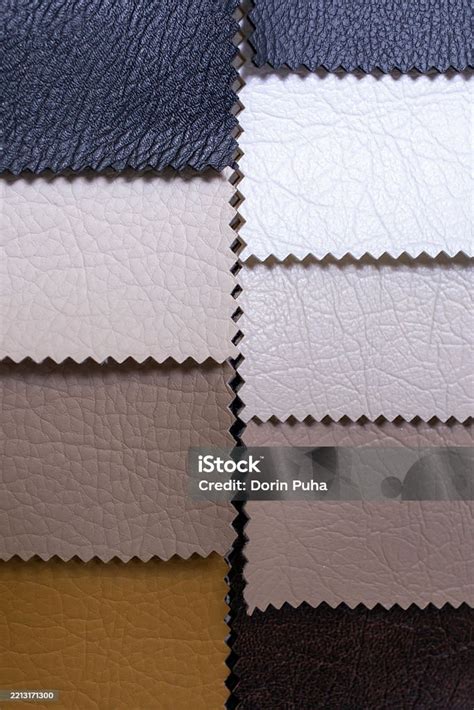
When it comes to upholstery, balancing aesthetics with practical durability is critical, particularly for households with children, pets, or frequent guests. High-performance textiles, such as solution-dyed acrylics and stain-resistant performance velvets, offer incredible resistance to spills and wear while maintaining a soft, sophisticated hand-feel. Always request physical fabric swatches and test them in your room’s natural lighting, as colors can shift dramatically between a brightly lit showroom and a cozy residential living room.
Navigating the Custom Ordering and Delivery Process
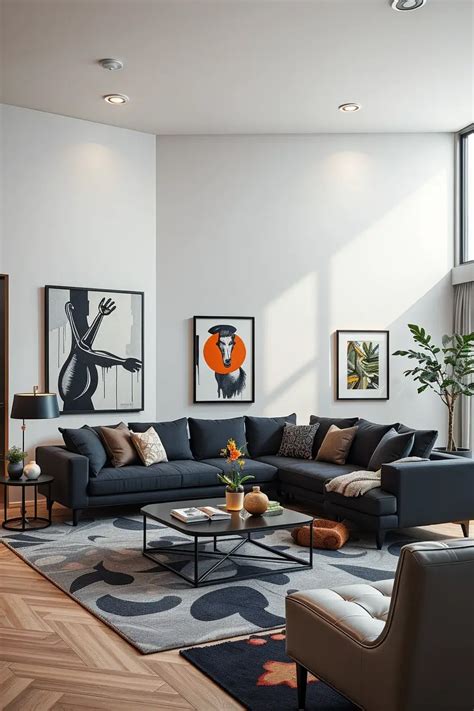
Ordering a bespoke piece of furniture requires patience, as production timelines typically range from six to twelve weeks depending on the complexity of the design and the origin of the materials. The process usually begins with an initial consultation—either virtual or in-person—where you review frame styles, arm profiles, leg finishes, and cushion configurations. Once the specifications are finalized, the maker provides a detailed technical drawing or digital render for your approval before production commences in the workshop.
Delivery for custom furniture is rarely a standard drop-off service; it often involves white-glove delivery teams who unpack, assemble, and position the sofa in your designated room while removing all packaging debris. While the upfront cost and lead time of a custom couch exceed those of an off-the-rack retail purchase, the long-term value is undeniable. By investing in a piece built precisely for your home, you eliminate the cycle of premature furniture replacement, securing a timeless anchor for your living space.
Frequently Asked Questions
How does the custom sofa ordering process work?
The custom sofa ordering process typically begins with selecting a base frame style and specifying dimensions like depth, length, and height. You then choose your preferred cushion filling, leg finish, and upholstery fabric from a range of swatches. After finalizing the design and signing off on technical specifications, the workshop builds the piece to order, concluding with professional white-glove delivery.
Are custom sofas significantly more expensive than ready-made options?
Custom sofas generally carry a higher price tag than mass-produced retail alternatives because they are built individually using superior materials and labor-intensive construction techniques. However, when evaluated on a cost-per-year basis, custom furniture often proves more economical over time since its durable hardwood frame and high-resiliency cushions last decades longer than cheap alternatives.
What materials offer the best longevity and comfort for everyday use?
For ultimate longevity, look for kiln-dried hardwood frames, eight-way hand-tied or sinuous steel spring suspensions, and high-resiliency foam cushion cores wrapped in down-proof ticking. For upholstery, heavy-duty performance fabrics or tightly woven natural fibers like heavy cotton and linen blends stand up best to daily friction and regular household use.
How do I ensure a custom couch will fit through my doors and into my living space?
To guarantee a proper fit, measure the diagonal height and width of all entry doors, hallways, stairwells, and elevator car interiors that the sofa must pass through. Compare these dimensions with the packaged or frame dimensions provided by the furniture maker. If your entryways are exceptionally restrictive, opt for a modular sectional or a design featuring removable legs.
Can renters benefit from custom furniture or is it strictly for homeowners?
Renters can certainly benefit from custom furniture, particularly when dealing with awkward apartment layouts or compact square footage where standard retail sofas fail to fit correctly. To make custom furniture renter-friendly, focus on versatile modular designs or neutral, adaptable upholstery that can easily transition to a future home with a different floor plan.