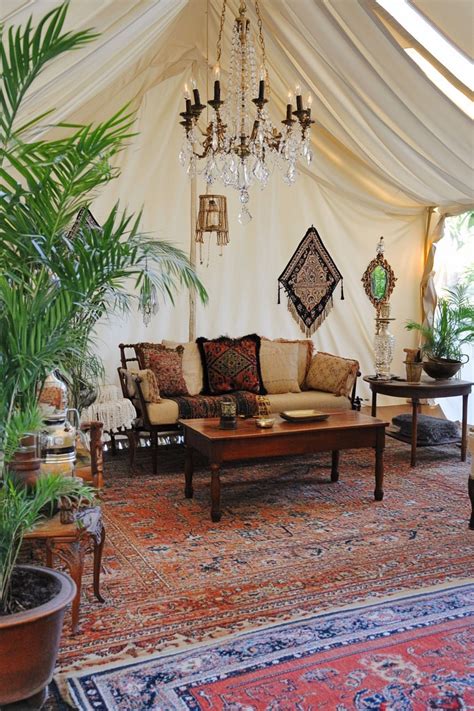
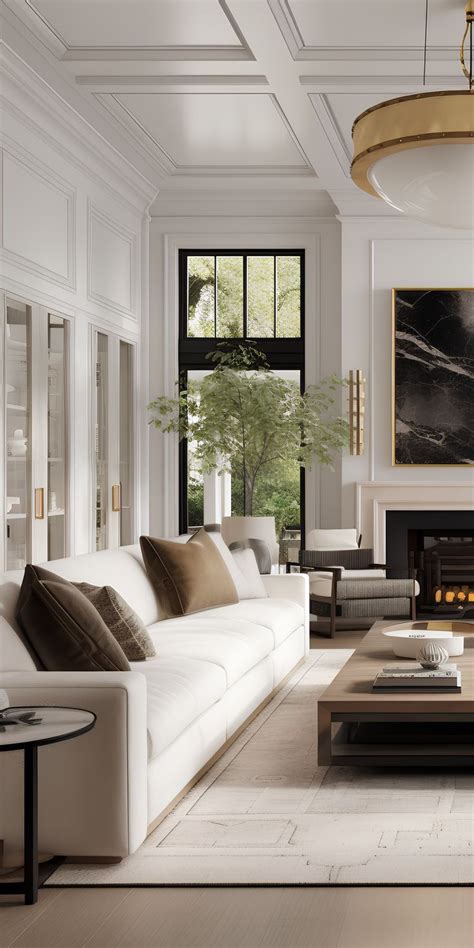
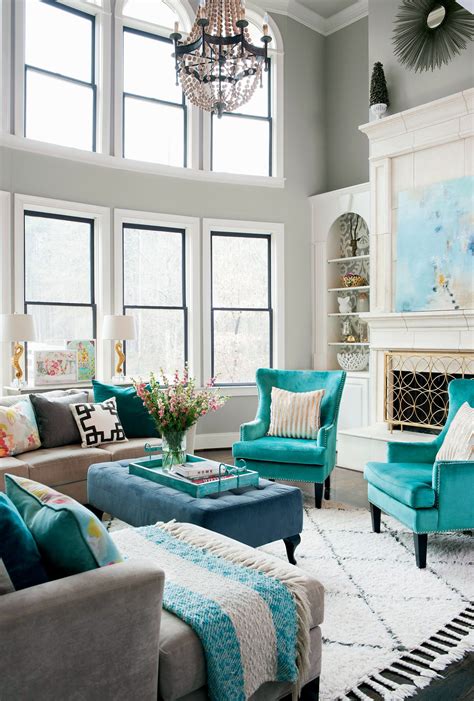
Creating a genuinely cozy living area often hinges on how well you balance personal relaxation with visual harmony. While a primary sofa anchors most American living rooms, introducing carefully selected accent chairs paired with functional chair ottomans transforms an underutilized corner into an inviting retreat. This combination offers incredible versatility, allowing you to easily adjust your room layout for intimate conversations, reading marathons, or quiet weekend lounging without committing to a bulky sectional sofa.
Successfully integrating these statement pieces requires looking beyond standalone aesthetics to evaluate how scale, fabric texture, and floor layouts interact within your specific square footage. Whether you are outfitting a compact suburban apartment or an open-concept suburban home, thoughtful furniture placement ensures your seating arrangement feels intentional rather than crowded. By balancing visual weight and prioritizing tactile comfort, you can curate a layered living space that welcomes family members and guests alike.
Evaluating Scale and Proportion for Your Living Room Layout
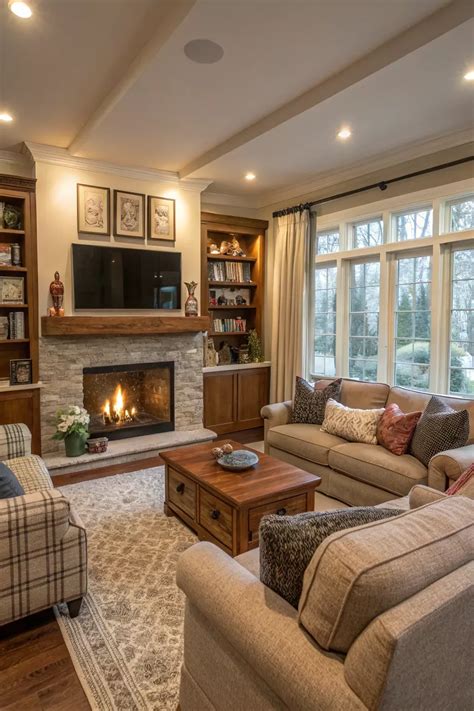
Scale remains the most critical factor when introducing new furniture into an established living space. A common misstep in American living rooms is purchasing an oversized armchair and a matching large ottoman that overwhelms narrow walking paths or blocks natural light from windows. Before making any selection, carefully measure your available floor area and map out traffic lanes to ensure everyone can move comfortably around the room.
For compact spaces, consider pairing a sleek, streamlined club chair with a multifunctional storage ottoman that doubles as a hidden blanket chest or a makeshift coffee table surface. Conversely, expansive open-concept layouts can easily accommodate deep-seated oversized armchairs accompanied by substantial rectangular ottomans that anchor the room’s visual weight. Maintaining appropriate clearance between your main sofa and your new accent seating prevents the layout from feeling visually cluttered or chaotic.
Mastering the Art of Matching Versus Contrasting Pairings
One of the most enjoyable aspects of designing a cozy reading corner is deciding whether your accent chair and ottoman should match perfectly or feature complementary contrasts. Matching sets deliver an immediate sense of formal symmetry and traditional elegance, making them exceptionally straightforward to integrate into transitional or classic interior aesthetics. However, introducing contrast allows you to inject personality, depth, and a curated designer feel into your living area.
To pull off a successful contrast, anchor one piece in a solid, neutral fabric while letting the other introduce a bold pattern, rich jewel tone, or striking texture. For example, a charcoal gray tweed armchair paired with a cognac leather ottoman creates an engaging interplay of masculine and feminine elements. When mixing patterns and solids, ensure there is at least one common color thread shared between the upholstery and your surrounding room decor to maintain cohesive visual harmony.
Layering Textures and Fabrics for Maximum Comfort and Visual Warmth
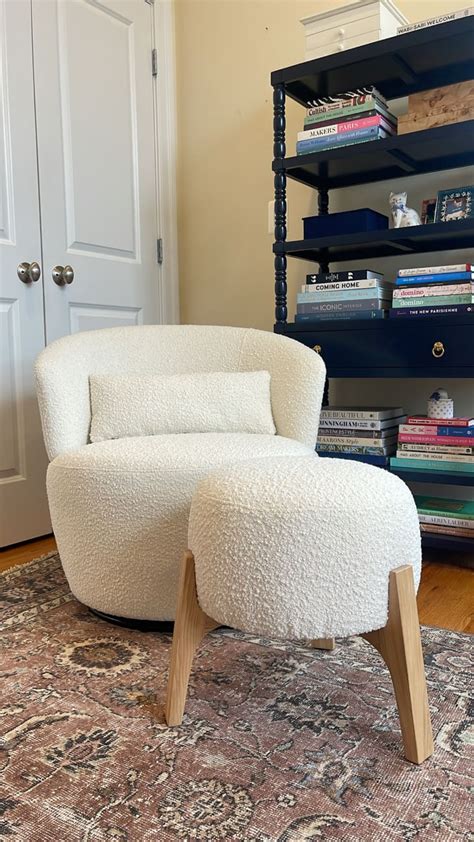
Achieving true coziness relies heavily on tactile diversity rather than relying solely on a single uniform fabric. Incorporating rich textiles like high-performance velvet, tactile boucle, woven chenille, or supple distressed leather invites physical touch and instantly elevates the room’s sensory appeal. Consider the practical demands of your household when selecting these materials; homes with pets or young children benefit immensely from durable, stain-resistant performance weaves that withstand daily wear without sacrificing softness.
Once your primary chair and ottoman are in place, enhance the cozy atmosphere by layering additional textile elements like a chunky knit throw blanket or a supportive lumbar pillow. This thoughtful layering breaks up large expanses of solid upholstery and introduces varying pile heights, making the seating nook look inviting even from across the room. Mixing matte fabrics with subtle sheen finishes adds sophisticated depth to transitional and modern interior schemes alike.
Optimizing Traffic Flow and Conversation Zones
Furniture arrangements should always serve the practical daily habits of the people who live in the space. In many U.S. homes, the living room serves multiple functions, from hosting lively weekend gatherings to providing a quiet sanctuary for morning coffee. Position your accent chair and ottoman angled slightly toward the main sofa to foster natural conversation pathways, rather than pushing every seating piece rigidly flat against the perimeter walls.
If your layout features a focal point like a fireplace or a large picture window, angle your chair to take full advantage of the view while ensuring the ottoman does not obstruct foot traffic to adjacent rooms. In smaller spaces, floating your accent chair near a corner allows the ottoman to tuck completely underneath the seat when not in use, instantly reclaiming valuable floor space whenever you need room to breathe.
Frequently Asked Questions
How do I choose an ottoman that matches my accent chair?
When selecting an ottoman to pair with an existing accent chair, look for complementary leg heights, wood finishes, and compatible proportions. If the chair features dramatic patterns, a solid ottoman prevents visual overload, whereas a solid chair pairs wonderfully with a patterned or textured ottoman.
What is the best way to arrange an accent chair and ottoman in a small living room?
In a small living room, angle the accent chair in an empty corner and choose a lightweight or storage-equipped ottoman. This configuration keeps primary walkways clear while offering a dedicated spot to put your feet up or store extra living room throws.
How can I make my seating area look cohesive rather than mismatched?
Tie disparate furniture pieces together by utilizing a shared color palette, complementary throw pillows, or placing both pieces on a unifying area rug. Consistent hardware or wood tones across nearby furniture also anchor the space visually.
What fabrics work best for a cozy, durable living room setup?
High-performance velvet, textured boucle, and tightly woven chenille offer an ideal balance of tactile coziness and daily durability. These materials resist everyday wear while providing the inviting softness essential for a relaxing lounge area.