When planning a bathroom update in an American home, choosing the right foundation material is essential for balancing visual appeal with everyday durability. Grey tiles have firmly established themselves as a design favorite, bridging the gap between stark modern minimalism and warm, classic comfort. Whether you are refreshing a compact suburban powder room or overhauling a spacious primary ensuite, grey offers an exceptional neutral canvas that adapts gracefully to changing decor trends over time.
The secret to success with grey tiles lies in understanding how different shades, textures, and finishes interact with natural light and architectural features. Because U.S. bathrooms vary dramatically in size and window placement, a thoughtful approach to tile selection prevents spaces from feeling dark or sterile. By combining clever pattern choices with the right metal fixtures and proper maintenance routines, you can achieve a sophisticated, magazine-worthy look that stands up to daily family life.
Selecting the Ideal Shade and Finish for Your Space

Choosing the correct hue of grey requires careful consideration of your bathroom’s square footage and lighting conditions. Lighter silvery greys and soft dove tones reflect natural and artificial light effectively, making them a smart choice for windowless powder rooms or compact apartment bathrooms. On the other hand, deeper charcoal and slate shades create a dramatic, moody atmosphere that works brilliantly in expansive primary bathrooms equipped with large vanity mirrors and layered lighting schemes.
Beyond color, the surface finish dramatically influences both the aesthetic and functional performance of your floor and wall tiles. Glossy ceramic and porcelain tiles bounce light around the room, amplifying brightness and making tight corners feel more expansive. However, high-gloss finishes on flooring can become slippery when wet, making matte or textured finishes a safer and more practical choice for shower floors and high-traffic pathways across typical American households.
Pairing Grey Tiles with Hardware and Fixtures
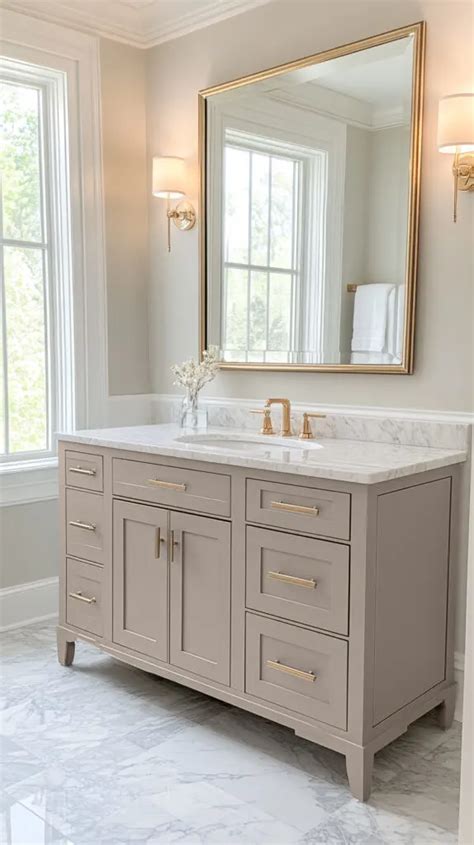
Grey is famously versatile, acting as a neutral backdrop that allows your choice of plumbing fixtures, lighting, and hardware to truly shine. Warm metal finishes such as brushed brass or honey bronze create a striking, sophisticated contrast against cool grey backdrops. This combination adds an inviting layer of warmth, keeping the space from feeling clinical and elevating the overall ambiance of the room.
Alternatively, pairing grey tiles with matte black hardware delivers a clean, contemporary edge that suits transitional and modern farmhouse aesthetics commonly found across U.S. residential properties. Chrome and polished nickel offer a more traditional, timeless appeal that blends effortlessly with classic white porcelain sinks and traditional cabinetry. When mixing metals, try to anchor the design by keeping lighting fixtures, faucets, and cabinet pulls within the same finish family to maintain visual harmony.
Designing with Patterns: Herringbone, Subway, and Large-Format
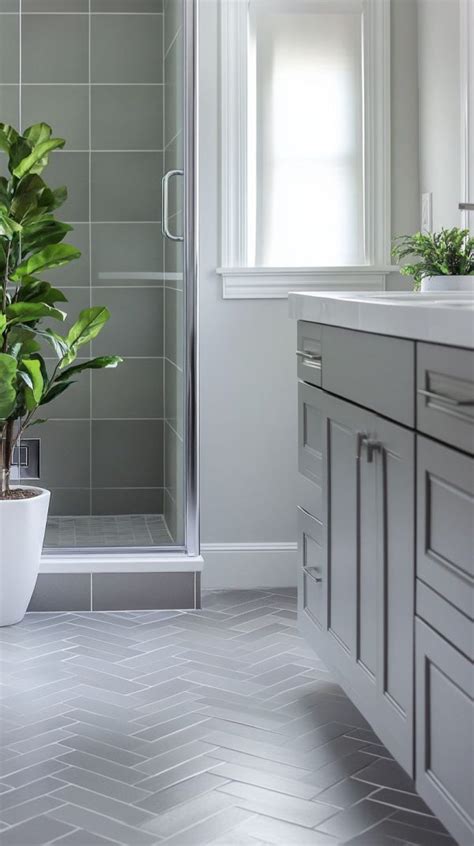
The layout pattern you choose can completely transform the character of standard grey tiles. Classic grey subway tiles arranged in a vertical stack or a traditional running bond offer a timeless look for shower walls and tub surrounds. For homeowners looking to add subtle movement to a floor, a herringbone pattern using elongated grey porcelain tiles introduces architectural interest without overwhelming a compact room.
Large-format grey tiles, measuring 12×24 inches or larger, have become immensely popular in modern American home renovations. These oversized tiles minimize grout lines, creating a seamless, monolithic appearance that makes small shower stalls feel noticeably larger and easier to clean. When planning your tile layout, always consult with a professional installer to account for proper slope angles toward the drain, especially when working with larger formats in curbless walk-in showers.
Grout Selection and Long-Term Maintenance
Grout color plays a surprisingly powerful role in the final look of your tiled surface. Matching your grout closely to the shade of your grey tile creates a cohesive, uniform field where texture takes center stage. Conversely, opting for a contrasting grout color—such as crisp white with charcoal tiles—highlights geometric patterns and adds a distinct graphic punch to backsplashes and accent walls.
Maintaining grey tiles in high-moisture environments requires a consistent routine, though grey surfaces are generally forgiving when it comes to hiding everyday dust and water spots. For porcelain and ceramic tiles, regular sweeping and gentle mopping with a pH-neutral cleaner will preserve the surface glaze. If you choose natural stone tiles like grey marble or slate, remember that they require periodic sealing to prevent moisture absorption and staining from personal care products.
Frequently Asked Questions
What shades of grey tile work best for small bathrooms?
Light silvery greys, soft dove tones, and pale ash finishes work best in small bathrooms because they reflect light and help make compact spaces feel open and airy. If you prefer a darker shade, consider using charcoal strictly as an accent wall or floor border paired with bright white walls.
Which metal finishes complement grey bathroom tiles?
Grey tiles pair wonderfully with a wide range of metals. Brushed brass and gold tones add warmth to cool grey spaces, while matte black hardware creates a modern, high-contrast look. Chrome and polished nickel offer a clean, traditional aesthetic that remains timeless in American homes.
Are grey bathroom tiles difficult to keep clean?
Grey tiles are actually quite forgiving compared to pure white or solid black tiles, as they do not show dust and minor water spots as easily. Maintenance largely depends on the material; glazed porcelain and ceramic require minimal upkeep, whereas natural stone grey tiles need periodic sealing to resist moisture.
How can I mix different tile textures and patterns using grey?
To mix textures successfully within a monochromatic grey color scheme, keep the tile color family consistent while varying the shapes and finishes. For example, you can pair large-format matte floor tiles with glossy vertical subway tiles in the shower, adding a textured mosaic tile inside the shower niche for visual depth.