When considering custom carpentry upgrades for American residences, few architectural additions offer the transformative impact of built-in bookshelves. Beyond serving as functional storage for a growing literary collection, custom shelving introduces a sense of permanence, craftsmanship, and tailored elegance that freestanding furniture simply cannot replicate. Whether you reside in a classic Craftsman bungalow featuring original millwork or a contemporary open-concept suburban build, integrating custom built-ins allows you to optimize dead space while establishing a powerful visual anchor in the room.
Planning a successful built-in project requires looking past standard box store solutions and evaluating how daily living patterns intersect with room architecture. From floor-to-ceiling library walls framing a masonry fireplace to sleek, minimalist ledges lining a hallway, the possibilities are vast. This comprehensive guide explores 31 distinct design approaches categorized by room type, structural layout, and aesthetic style, helping you determine the ideal configuration for your household layout and storage requirements.
Living Room Statement Walls and Fireplace Surrounds
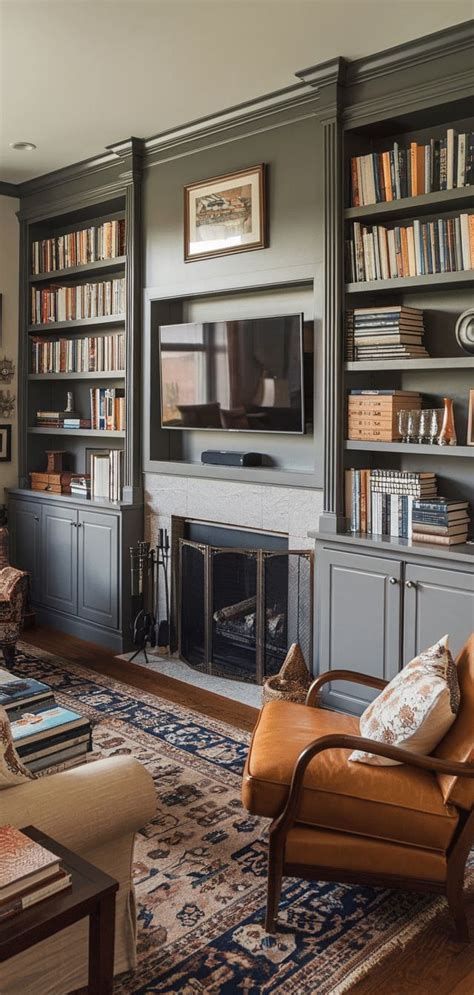
The living room remains the premier stage for architectural built-ins in American homes. Flanking a living room fireplace with custom floor-to-ceiling bookcases instantly draws the eye upward, accentuating ceiling height while establishing a balanced, symmetrical focal point. Homeowners often pair these open upper shelves with enclosed lower cabinetry, providing a practical solution for hiding media equipment, board games, and extra throw blankets away from everyday view.
Integrating warm wood tones with painted cabinetry creates a sophisticated contrast that bridges traditional and modern farmhouse aesthetics. Consider backing your open shelves with vertical shiplap, beadboard, or even a moody wallpaper pattern to add subtle depth when books are arranged loosely. Incorporating picture lights above the uppermost shelves introduces layered illumination, transforming a functional storage zone into a sophisticated evening gallery display.
Cozy Reading Nooks and Bedroom Built-Ins
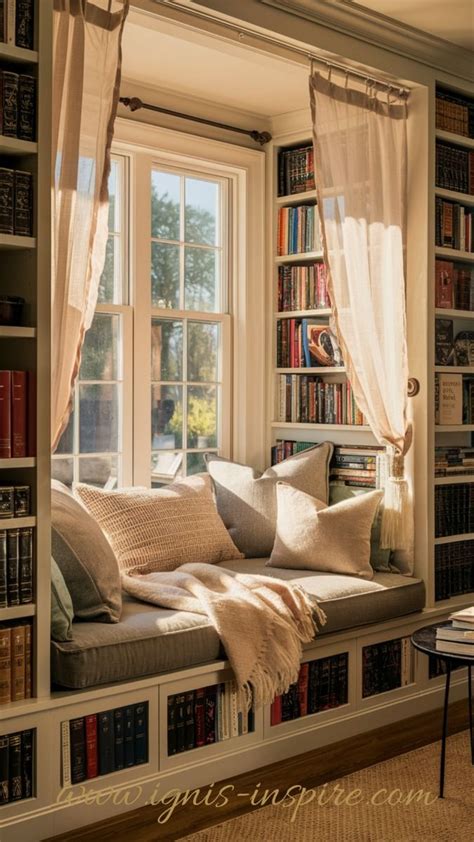
Bedrooms and transitional corridors offer incredible potential for crafting intimate reading sanctuaries through custom carpentry. Building a recessed bookshelf directly around an oversized bedroom window frame creates a sunlit bench seat flanked by towering vertical storage, turning an otherwise standard window into a cozy haven for weekend reading.
In smaller guest rooms or children’s spaces, built-in shelving integrated directly into the headboard wall maximizes floor space while keeping nighttime essentials within easy reach. Designers often recommend painting these bedroom built-ins the exact same shade as the surrounding walls to maintain a serene, uninterrupted visual flow that prevents compact sleeping quarters from feeling overcrowded.
Functional Home Office and Library Setups
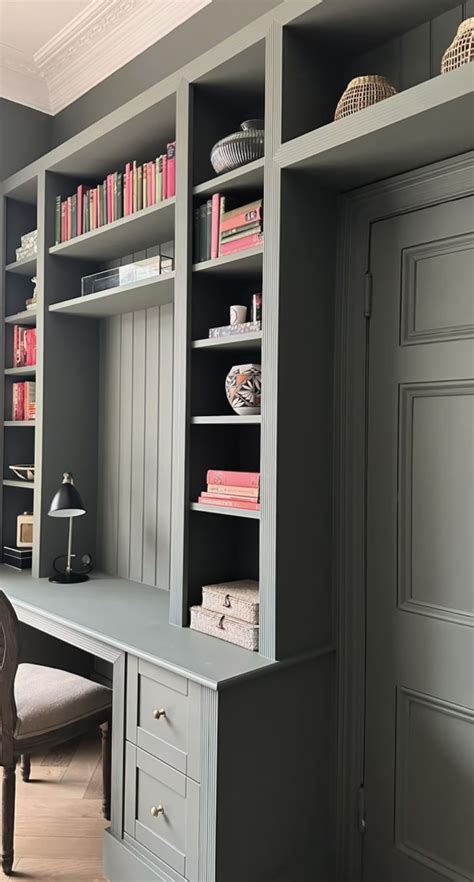
With remote work remaining a permanent fixture for many American professionals, dedicated home offices require robust, organized storage systems. Designing wall-to-wall built-in bookshelves with an integrated executive desk ensures a cohesive workspace that looks exceptionally polished during virtual meetings.
To achieve a professional yet welcoming ambiance, balance dense rows of reference volumes with curated decorative objects, framed photography, and trailing indoor plants. Incorporating sliding library ladders not only provides safe, practical access to high shelves in rooms with vaulted ceilings but also introduces a timeless architectural charm reminiscent of historic private libraries.
Unconventional Spaces: Under Stairs, Hallways, and Dining Rooms
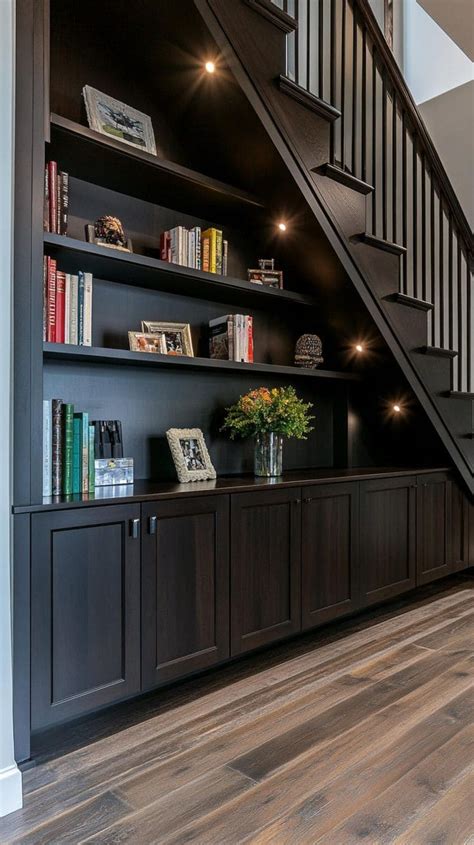
One of the greatest advantages of custom built-in shelving is its adaptability to awkward architectural layouts that standard furniture cannot accommodate. The triangular dead space beneath an open-riser staircase, for instance, can be transformed into a dramatic multi-tiered bookcase that makes efficient use of every square inch.
Similarly, wide hallways and transitional transition zones frequently go underutilized. Installing shallow, recessed bookshelves along a corridor transforms a plain passageway into a private home gallery or an accessible family library. In formal dining rooms, shallow built-in corner hutches provide a stunning venue for displaying heirloom china and crystal while preserving precious floor space for dining tables and seating.
Mastering the Art of Styling Your Built-Ins
Once your custom shelving is installed, the styling phase dictates the overall success of the design. Avoid the trap of simply packing shelves wall-to-wall with upright books; instead, vary your approach by alternating vertical stacks with horizontal piles of books that act as pedestals for small decorative objects, ceramics, or sculptural pieces.
Leave intentional breathing room, known in interior design as negative space, to prevent visual fatigue and keep the display feeling light and curated. Grouping decorative items by color or texture adds intentionality, ensuring your built-in bookshelves feel like a deeply personal reflection of your lifestyle rather than a crowded retail display.
Frequently Asked Questions
How much does it typically cost to install built-in bookshelves?
The cost of built-in bookshelves varies widely depending on materials, labor, dimensions, and whether you hire a professional custom carpenter or pursue a DIY modular approach. Simple MDF or plywood units built around an existing wall may range from a few hundred to a couple thousand dollars, while elaborate hardwood floor-to-ceiling library walls with integrated lighting and custom millwork can easily exceed several thousand dollars.
Can renters incorporate built-in bookshelf designs?
True built-ins require permanent anchoring to wall studs and are generally permanent architectural fixtures suited for homeowners. However, renters can achieve a remarkably similar aesthetic by anchoring freestanding, heavy-duty modular bookcases to the wall and utilizing custom trim pieces to bridge the gap between the top of the shelf and the ceiling.
What is the best lighting option for custom bookshelves?
Hardwired LED strip lighting recessed beneath the front edge of each shelf provides clean, even illumination without generating excessive heat that could damage older books. Battery-operated puck lights or picture lights mounted directly above the bookcase frame offer excellent retrofit alternatives if wiring into existing walls is impractical.
How do I prevent built-in shelves from sagging over time?
Shelf sag is typically caused by excessive spans unsupported by vertical dividers or materials that are too thin for heavy book loads. To ensure structural integrity, keep wood shelf spans under 30 to 36 inches for standard thickness materials, or incorporate thicker lumber, concealed metal reinforcement bars, and vertical dividing partitions.