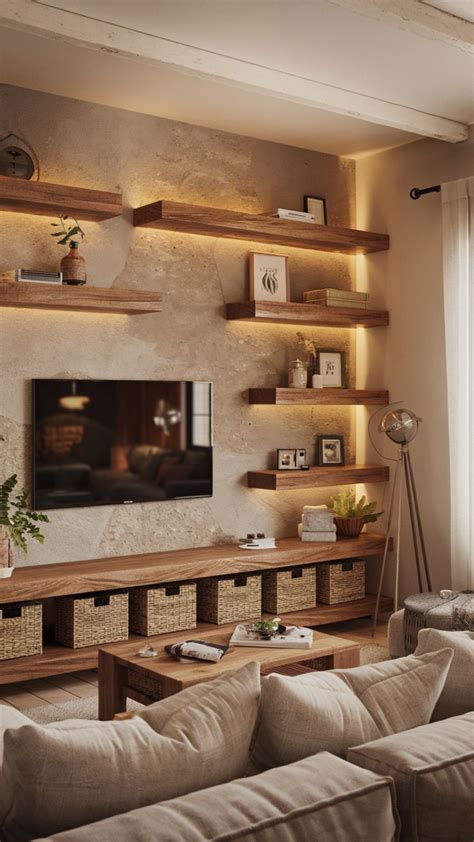
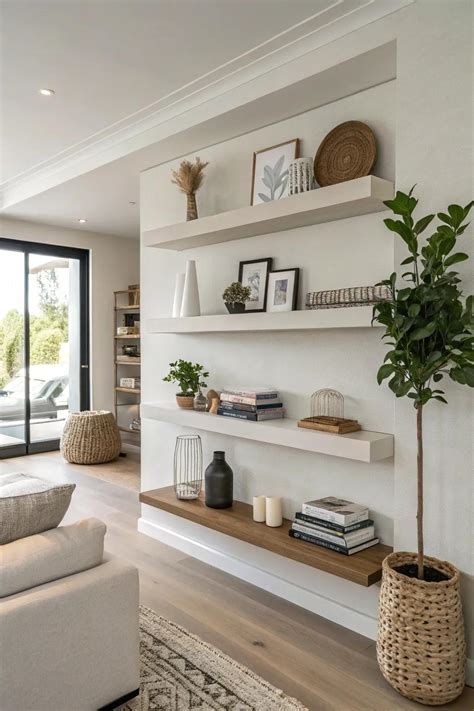
Solid white oak floating shelves have dominated modern organic and minimalist interior design trends for years. Their creamy neutral tones, subtle cathedrals in the grain, and matte texture instantly elevate a living room, kitchen, or bathroom. However, custom white oak lumber and pre-made solid hardwood shelves carry a hefty price tag that rarely fits a modest home decorating budget. Fortunately, you can replicate that high-end architectural aesthetic for a fraction of the cost by starting with inexpensive base materials and applying clever DIY finishing techniques.
Achieving a convincing faux white oak look is entirely achievable if you understand how to manipulate tone, texture, and grain patterns on budget-friendly substrates like pine, MDF, or inexpensive laminate boards. This approach allows you to customize the length, thickness, and finish to fit your exact wall space without compromising the clean lines that make floating shelves so appealing. By pairing the right budget shelf with a specialized finish and a secure mounting system, your walls will showcase luxury craftsmanship without the luxury invoice.
The Appeal of White Oak and Why It Costs So Much
Real white oak is prized in interior architecture due to its closed cellular structure, durability, and distinctive pale, neutral undertones. Unlike red oak, which tends to carry pink or warm orange undertones, white oak leans into a sophisticated greige or cooler wheat coloration. This neutral balance makes it exceptionally versatile, allowing it to blend seamlessly with warm terracotta, cool concrete, crisp whites, and earthy tones alike. Furthermore, plain-sawn and rift-sawn white oak feature subtle, straight grain lines that feel clean rather than busy, anchoring a room without visual clutter.
The high cost of solid white oak shelves stems from lumber scarcity, complex milling processes, and the heavy weight of the hardwood. Transporting thick slabs of solid oak requires sturdy internal brackets, and the raw wood itself must be carefully kiln-dried to prevent warping in climate-controlled homes. When you buy custom floating shelves from boutique makers, you are paying for specialized woodworking labor, heavy-duty hidden steel brackets, and premium timber selection. For renters or homeowners on a strict budget, investing hundreds of dollars in a few wall boards is often impractical, making affordable alternatives a smart design compromise.
Selecting Budget Base Shelves: What to Look For
When you cannot justify the price of solid hardwood, your first step is sourcing an affordable blank canvas. Big-box hardware stores and flat-pack furniture retailers offer several budget-friendly materials that can easily be modified. Unfinished pine boards are a popular choice because they are inexpensive, readily available in various lengths and thicknesses, and easy to cut. However, raw pine has a strong yellow-orange tint and prominent knots that fight against the clean, muted look of white oak, meaning you will need to neutralize those natural warm undertones.
Alternatively, you can look for smooth MDF boards, birch plywood panels, or even budget-friendly laminate shelves. MDF provides an exceptionally smooth, warp-resistant surface that takes wood-grain contact paper or paint exceptionally well, though it lacks genuine wood texture. If you choose hollow-core floating shelves, check the weight capacity carefully; hollow shelves are lightweight and easy to mount in drywall, but they cannot support heavy ceramic dishware or large stacked art books. Weighing your functional storage needs against your aesthetic goals will help you select the ideal base material before you begin any surface treatments.
Techniques for Creating a Faux White Oak Finish
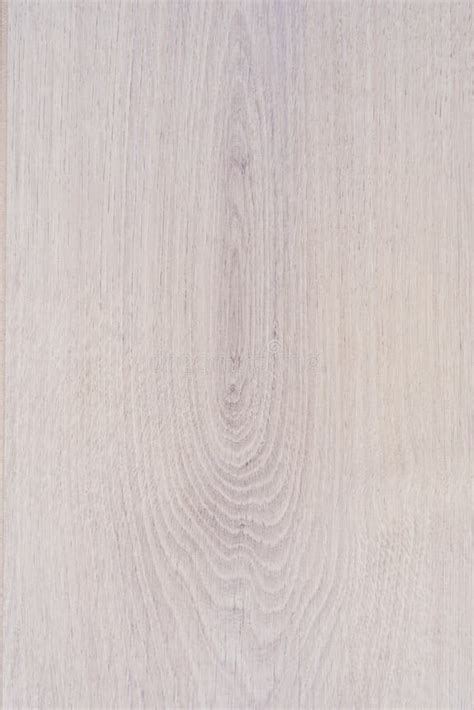
Transforming an inexpensive piece of wood or laminate into something that mimics luxury white oak requires neutralizing unwanted yellow tones and introducing a subtle, matte grain pattern. One of the most popular methods for raw pine or poplar is using a gray-toned or weathered wood gel stain combined with a white or pickled wash. Traditional oil-based stains penetrate deep into softwoods and often turn orange, so water-based stains or tinted polyurethane sealers offer better control over the final pale hue. Always test your stain combination on the back or underside of the shelf board before committing to the visible top surface.
For an even simpler approach that avoids chemical stripping and staining, premium wood-grain contact paper or self-adhesive vinyl wrap has become a secret weapon among budget decorators. Look for matte vinyl films labeled as ‘Scandinavian oak,’ ‘bleached oak,’ or ‘white ash’ that feature a tactile, embossed grain texture rather than a flat photographic print. When applying contact paper, use a felt squeegee to eliminate air bubbles and wrap the edges cleanly around the back of the shelf so raw seams remain hidden once mounted. If you are working with smooth MDF shelves, a multi-step chalk paint and dry-brushing technique can also build up a convincing, layered faux-wood finish sealed with an ultra-matte polyurethane topcoat.
Choosing Brackets and Ensuring Secure Installation
The magic of a floating shelf lies in its hidden support system, which creates the illusion that the wood is magically protruding from the drywall. Budget shelves often come with light-duty mounting brackets or slide-on rods, but you must inspect these hardware pieces closely to prevent sagging over time. If you are modifying a plain board into a shelf, you will need to purchase heavy-duty steel blind shelf supports that feature rods anchored to a backplate. This backplate should span multiple wall studs to distribute weight evenly, especially if you plan to style the shelf with heavier decor items.
When installing floating shelves in drywall without hitting a stud, heavy-duty toggle bolts or expanding wall anchors are essential for safety and stability. Renters should take note that while floating shelves require drilling holes, patching small screw or anchor holes upon moving out is generally straightforward with a bit of spackle and matching wall paint. Avoid relying solely on plastic self-drilling anchors if your shelves will hold anything heavier than small picture frames or lightweight trailing plants. Properly anchoring your modified shelves ensures that your budget-friendly faux white oak creations remain level, secure, and completely convincing for years to come.
Styling Your Faux White Oak Shelves for a Modern Organic Look
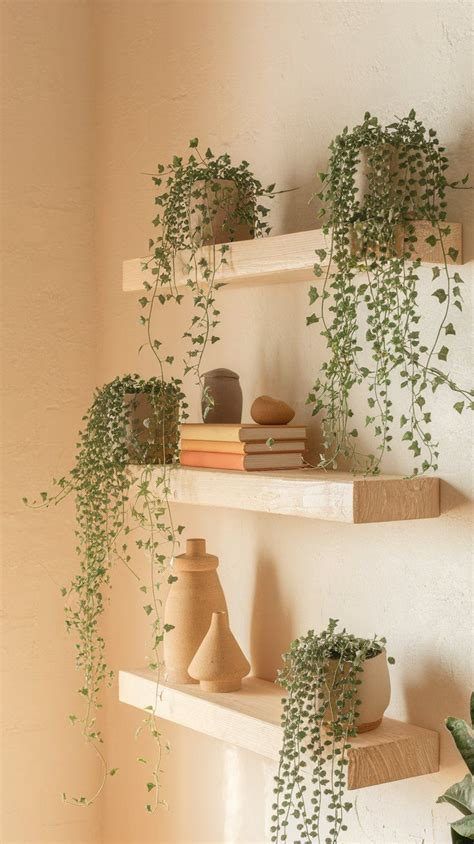
Once your shelves are securely mounted, thoughtful styling is the final step in selling the high-end illusion. The modern organic aesthetic thrives on a curated balance of natural textures, neutral palettes, and negative space. Avoid overcrowding your shelves with too many small trinkets, which can make a budget setup look cluttered rather than intentional. Instead, anchor the layout with a few statement pieces, such as a matte ceramic vase, an architectural art print leaning against the wall, or a stack of hardcover books with their paper jackets removed to reveal neutral linen bindings.
Incorporate living elements like a cascading pothos or a trailing philodendron in a terracotta pot to bring organic warmth and movement to the display. Vary the heights and depths of your styled groupings by placing taller items on one side and balancing them with a horizontal stack of objects on the other. By maintaining a restrained color palette consisting of creams, taupes, soft greens, and matte blacks, the subtle texture of your DIY faux white oak shelves will blend seamlessly into a sophisticated, high-end interior scheme.
Frequently Asked Questions
Can I use regular wood stain to make pine look like white oak?
Standard oil-based wood stains on pine often result in a heavily yellowed or orange finish because pine naturally absorbs stain unevenly. To achieve a white oak look, you must neutralize the yellow undertones by using a gray or driftwood-tinted water-based stain, followed by a white wash or pickled finish to lighten the overall tone.
Does wood-grain contact paper peel off floating shelves easily?
High-quality adhesive vinyl with an embossed texture adheres very well to smooth, clean surfaces like MDF or sealed wood. To ensure longevity, wipe the shelf down with rubbing alcohol to remove dust and grease before application, and wrap the edges tightly around the back so fingers or objects cannot catch the seams.
How much weight can DIY floating shelves hold?
Weight capacity depends entirely on the internal core of the shelf and the mounting hardware used. Solid wood or heavy MDF boards attached to steel brackets screwed directly into wall studs can typically support 30 to 50 pounds, whereas hollow-core or renter-friendly adhesive shelves are strictly meant for lightweight decor under 10 pounds.