Finding the ideal dining set involves much more than simply picking a table and a matching group of chairs that catch your eye in a showroom or online catalog. In modern American homes, the dining space acts as a central hub where daily family breakfasts, evening homework sessions, holiday feasts, and casual weekend gatherings all take place. Because this furniture anchors one of the most heavily used rooms in the house, your selection must successfully balance personal interior design aesthetics with practical, everyday durability.
Whether you live in a historic craftsman bungalow, a suburban split-level, or a sprawling open-concept contemporary build, your dining furniture should feel like a natural extension of your home’s architectural character. By evaluating your spatial dimensions, understanding how different materials handle daily wear and tear, and coordinating with surrounding living areas, you can select a dining set that serves your household beautifully for years to come.
Matching Your Dining Set to Major American Interior Styles
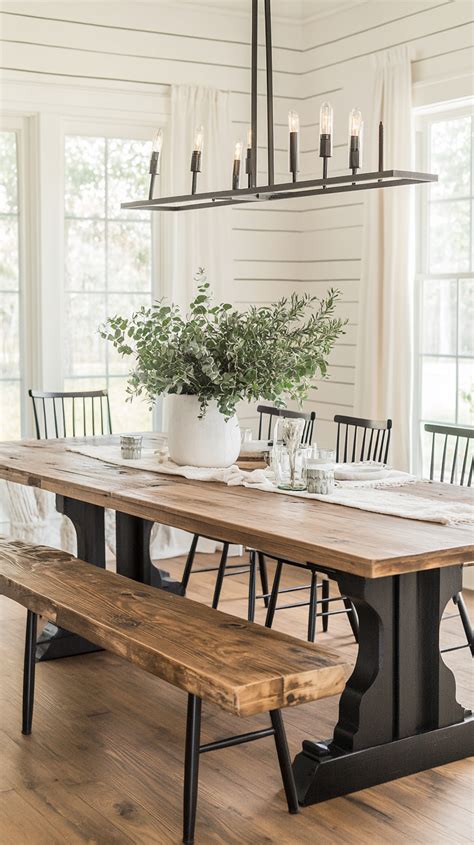
American interior design encompasses a rich variety of architectural traditions and stylistic preferences, ranging from rustic rural influences to sleek urban aesthetics. Choosing a dining set that respects these design languages creates a cohesive, intentional atmosphere throughout your home. For instance, homes featuring the enduring modern farmhouse aesthetic benefit tremendously from sturdy solid wood tables, often showcasing distressed finishes, visible grain patterns, or classic trestle bases that invite long, leisurely meals.
Conversely, homes with mid-century modern or transitional leanings look best with clean architectural lines, tapered wooden legs, and organic shapes. Industrial spaces often incorporate reclaimed timber paired with blackened steel frames, introducing a subtle edge that complements exposed ductwork or brick accents. Traditional formal dining rooms, frequently found in colonial or revival-style suburban homes, often call for rich mahogany or cherry finishes, ornate pedestal bases, and upholstered host chairs that establish a sense of timeless elegance and structural symmetry.
Adapting Traditional and Transitional Spaces
If your home leans toward a transitional style—which artfully blends classic comfort with contemporary clean lines—look for dining sets that offer balanced proportions without heavy ornamentation. A rectangular table with simple shaker-inspired legs paired with subtly curved upholstered chairs bridges the gap between old and new seamlessly. This approach allows you to update your dining area over time with different centerpieces, rugs, or lighting fixtures without needing to replace the foundational furniture pieces.
When working with traditional dining rooms, consider how the scale of your table interacts with architectural moldings, wainscoting, and window placements. Tables with removable extension leaves offer the adaptability needed to transition from intimate family dinners to large holiday gatherings while maintaining the room’s formal dignity when fully closed.
Mastering Scale and Spatial Planning in American Floor Plans
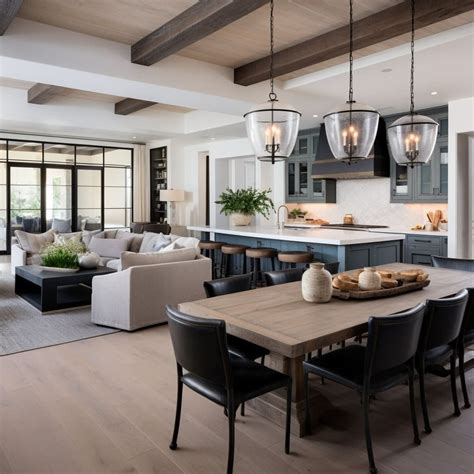
One of the most common pitfalls when purchasing a dining set is failing to account for the physical space required for comfortable movement around the table. Before falling in love with a massive live-edge slab or an expansive round pedestal table, you need to map out your room dimensions carefully. Interior design standards generally recommend leaving at least 36 to 48 inches of clearance between the edge of your table and surrounding walls or large pieces of furniture. This ensures that anyone sitting down can pull their chair out fully without bumping into a sideboard or a living room sofa in an open-concept layout.
Shape also dictates flow. Rectangular tables naturally suit long, narrow dining rooms and parallel open-concept zones, while round or oval tables excel in square rooms and cozy kitchen nooks. Round tables foster conversational intimacy because every guest faces one another, and eliminating sharp corners makes navigating tighter breakfast areas much safer and easier for households with young children.
Solving Open-Concept Layout Challenges
Many contemporary American homes feature open-concept floor plans where the kitchen, dining area, and living room flow into one continuous space. In these expansive layouts, your dining set acts as a visual bridge, helping to define zones without building physical walls. To achieve visual harmony, avoid matching every single wood tone or metal finish across all three functional zones; instead, coordinate undertones. If your kitchen island features a warm walnut countertop, pairing it with a dining table in a complementary oak or painted finish creates layered depth rather than a monotonous showroom look.
Area rugs under the dining table further anchor the space in open layouts, visually separating the dining zone from adjacent seating areas. Ensure your rug is large enough so that all chair legs remain on the rug even when pulled out, preventing awkward catching and uneven seating surfaces.
Selecting Durable Materials for Real-World Living
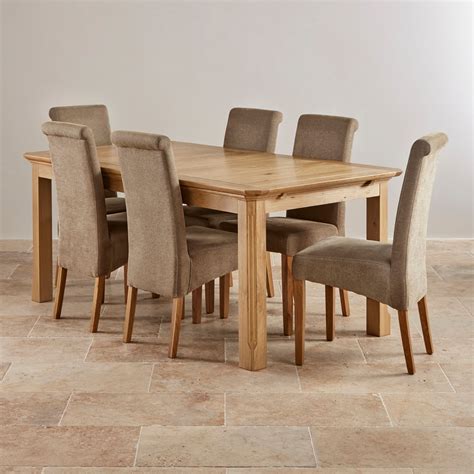
Dining furniture must withstand daily friction, spilled liquids, thermal changes from hot serving dishes, and general high-traffic use. Solid hardwoods like white oak, maple, walnut, and cherry offer exceptional longevity and can often be refinished down the road if they sustain scratches or dents. Softwoods like pine provide a charming rustic aesthetic but require more care and acceptance of natural patinas over time. If you prefer low-maintenance surfaces, high-quality wood veneers or engineered woods topped with protective lacquers can resist warping and daily moisture exposure effectively.
Tabletop options extend beyond wood. Tempered glass tabletops create an airy, light-reflecting surface that makes compact dining rooms feel significantly larger, though they require frequent dusting and glass-cleaner maintenance to keep smudge-free. Stone surfaces, such as granite, marble, or engineered quartz, introduce incredible durability and luxurious texture, though natural marbles require diligent sealing to prevent staining from acidic foods like wine or citrus.
Upholstery and Seating Comfort Considerations
Chairs receive much more physical manipulation than tables as people sit, shift, lean, and slide them across floors. Look for sturdy joinery, such as mortise-and-tenon construction, rather than simple glued or screwed joints that loosen over time. When choosing upholstered dining chairs, prioritize performance fabrics such as treated linens, microfiber, or solution-dyed acrylics. These materials repel spills and resist staining, making them practical for everyday family dinners while maintaining a sophisticated, soft aesthetic.
If your household enjoys long dinner parties, prioritize ergonomic support with supportive backrests and well-cushioned seats. Mixing seating styles—such as placing upholstered armchairs at the head of the table and simpler side chairs along the lengths—adds visual interest while allowing you to optimize comfort where it matters most.
Frequently Asked Questions
What dining set style fits a modern American home?
Modern American homes often embrace transitional, modern farmhouse, or mid-century modern dining sets. The ideal choice depends on your specific architectural features and surrounding furniture. Clean lines, mixed wood and metal elements, and neutral upholstery tend to fit versatile contemporary spaces best.
How do I choose the right size dining table for my space?
Measure your dining room or designated zone and ensure you leave at least 36 to 48 inches of clearance around the entire perimeter of the table for chair movement. As a general guideline, allow roughly 24 inches of linear table space per seated guest for comfortable dining.
Which materials are best for heavy daily use?
Solid hardwoods like white oak, maple, and walnut offer unmatched durability and can be easily maintained or refinished. For chair upholstery, performance fabrics treated to resist stains and moisture are ideal for families with children or frequent entertainers.
How can I coordinate my dining set in an open-concept layout?
In open-concept homes, avoid matching every furniture piece identically. Instead, coordinate wood undertones and metal finishes with your kitchen cabinets or living room accents. Use lighting pendants above the table and an area rug underneath to visually define the dining zone.