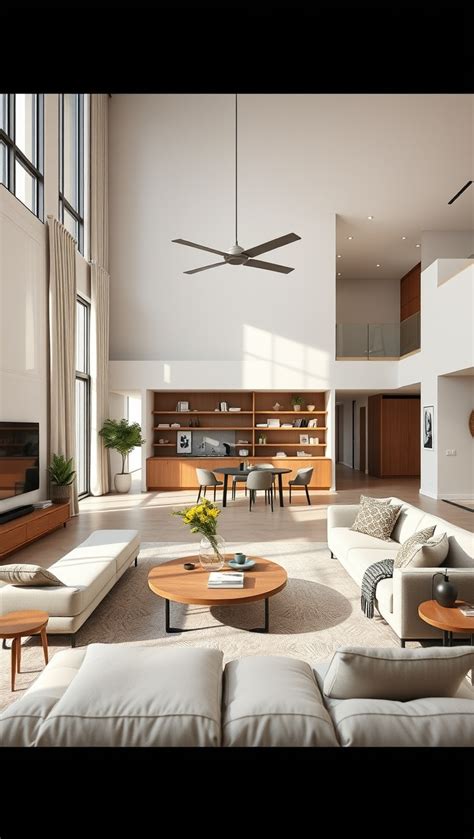
Interior design in the United States continues to evolve, reflecting a collective desire for spaces that feel both deeply personal and functionally adaptable. As modern households navigate the demands of hybrid work, relaxation, and entertaining, living room design has shifted away from sterile, showroom-perfect aesthetics toward environments grounded in comfort, tactile richness, and mindful craftsmanship. Whether you are looking to refresh a suburban single-family home or update a compact urban apartment, understanding these emerging stylistic movements can help you create a space that feels intentional and current.
Bringing these design ideas into your home does not require a complete structural renovation or an unlimited budget. Many of the most compelling directions rely on thoughtful arrangements, textured layering, and smart material choices that work within the architectural realities of typical American housing. From biophilic elements that connect indoor spaces with nature to clever integrations of technology, the following ten design approaches offer practical inspiration for homeowners and renters alike.
1. Biophilic Design and Living Greenery Integrations
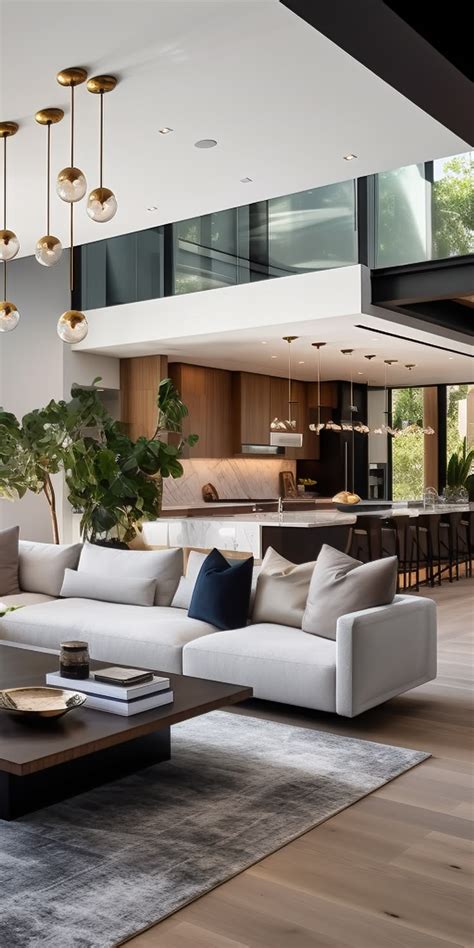
Biophilic design has matured from a passing wellness fad into a foundational approach for contemporary living rooms. This movement emphasizes a deep connection to the natural world by incorporating organic shapes, abundant natural light, unfinised woods, and thriving indoor plants. Rather than scattering a few potted succulents around a room, modern biophilic styling treats greenery as architectural elements, utilizing tall indoor trees, cascading wall planters, and large windows that frame outdoor vistas.
To successfully integrate this trend without overwhelming your square footage, focus on vertical space. Tall, slender plants like the fiddle-leaf fig or snake plant draw the eye upward, making standard ceilings feel higher while softening harsh corner angles. Renters can easily achieve this look by utilizing modular plant stands or hanging planters that require minimal hardware, ensuring the natural aesthetic remains flexible and renter-friendly.
2. Warm Earthy Palettes Replacing Stark Neutrals
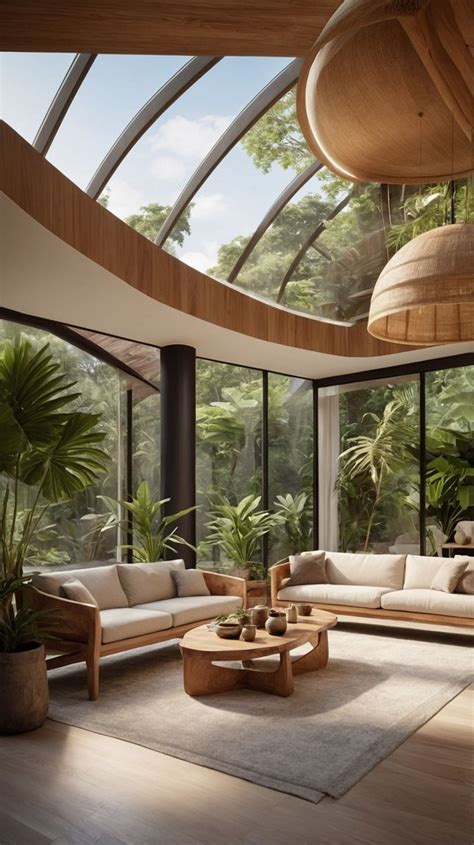
The era of the entirely cool-toned, monochromatic gray living room is giving way to spaces wrapped in rich, grounding, earthy hues. Terracotta, muted olives, deep ochres, warm caramels, and clay-inspired shades are dominating modern color schemes. These pigments absorb and reflect light in ways that make large, open-plan spaces feel cozier and more intimate, while still providing a sophisticated backdrop for artwork and furniture.
When adopting a warm palette, texture becomes your primary tool to prevent the room from feeling heavy. Pair terracotta walls or rust-toned upholstery with natural linen curtains, boucle accent chairs, and brushed brass fixtures. If you live in a rental where painting walls is restricted, you can introduce these warm pigments safely through oversized area rugs, throw pillows, ceramic decor objects, and rich textile wall hangings.
3. Tactile Maximalism Through Layered Textures
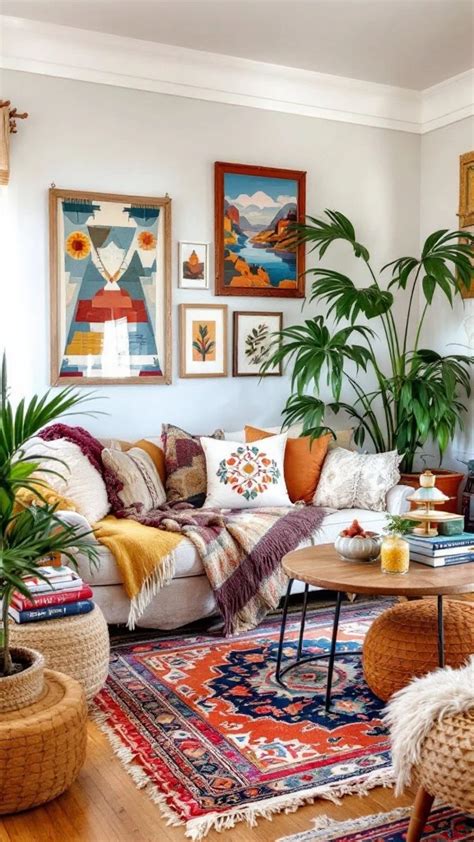
While minimalism remains popular for its clean footprint, a counter-movement known as tactile maximalism is gaining immense traction. This design approach celebrates a rich interplay of materials—combining heavy wool weaves, rough-hewn stone, smooth ceramics, fluted wood panels, and brushed metals within a single room. The goal is to stimulate the senses through touch and visual depth rather than cluttering surfaces with excessive knick-knacks.
Executing tactile maximalism effectively requires a disciplined color story. When you keep your base color palette relatively tight, you can experiment freely with contrasting textures. Try pairing a smooth leather sofa with a chunky knit throw blanket, a rustic reclaimed wood coffee table, and a high-pile Moroccan wool rug. This strategy creates a sophisticated, curated atmosphere that feels lived-in and deeply inviting.
4. Sculptural Seating and Organic Furniture Silhouettes
Rigid, boxy furniture layouts are being replaced by organic, curved silhouettes that encourage fluid movement through the living room. Sofas with gentle curves, kidney-shaped coffee tables, and barrel-style accent chairs soften the architectural geometry of typical drywall and rectangular rooms. These sculptural pieces act as functional art, serving as focal points that draw the eye and invite casual conversation.
When incorporating curved furniture, consider your room’s traffic flow. Circular and curved layouts naturally create conversational hubs, making them ideal for open-concept homes where the living room flows directly into the kitchen or dining area. If you are working with a smaller footprint, choose a single statement curved chair paired with a streamlined sofa to keep the room from feeling overcrowded.
5. Concealed Technology and Smart Integration
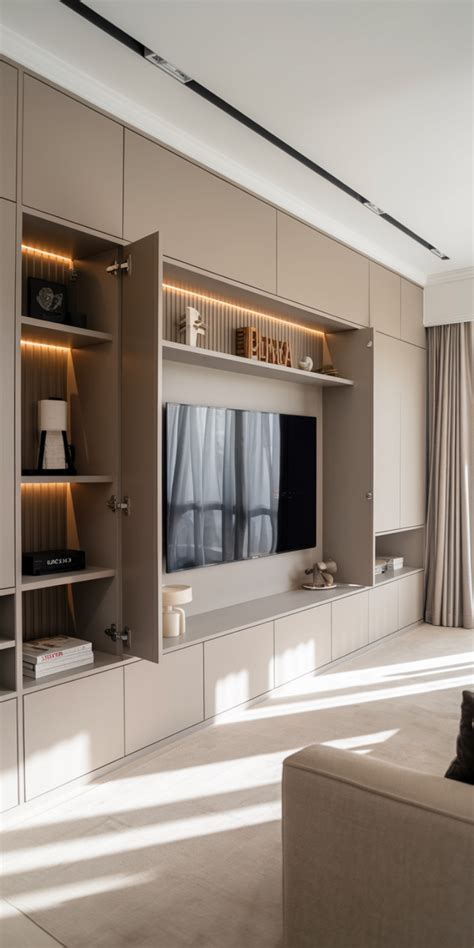
Modern living rooms are expected to be entertainment hubs, yet visible wiring, bulky plastic routers, and massive black TV screens can disrupt a carefully curated aesthetic. The latest design movement prioritizes the seamless blending of technology into the background. Solutions range from custom slatted wood media cabinets that conceal electronics while allowing remote signals to pass through, to television screens that double as art displays when not in use.
For renters and homeowners alike, cable management sleeves, cord-hiding baseboards, and smart home hubs housed inside decorative woven baskets offer practical, non-permanent fixes. By hiding the mechanical clutter of modern life, your living room retains its calm, restorative atmosphere without sacrificing the streaming and audio conveniences you rely on daily.
6. Multi-Functional Zones for Hybrid Living
The modern American living room rarely serves just one purpose anymore. It often doubles as a home office, a quiet reading nook, a children’s play area, and an entertainment lounge. Designing for these hybrid lifestyles requires thoughtful zoning rather than physical partitions. Area rugs, modular shelving units, and targeted lighting are used to define distinct functional areas within a single open-plan space.
To make a multi-functional layout work seamlessly, invest in versatile furniture such as storage ottomans, nesting coffee tables, and drop-leaf desks that can be tucked away when the workday ends. Positioning your main seating group away from the workspace helps maintain a psychological boundary between relaxation and productivity, which is especially important for remote workers.
7. Moody Accent Walls and Dramatic Lighting
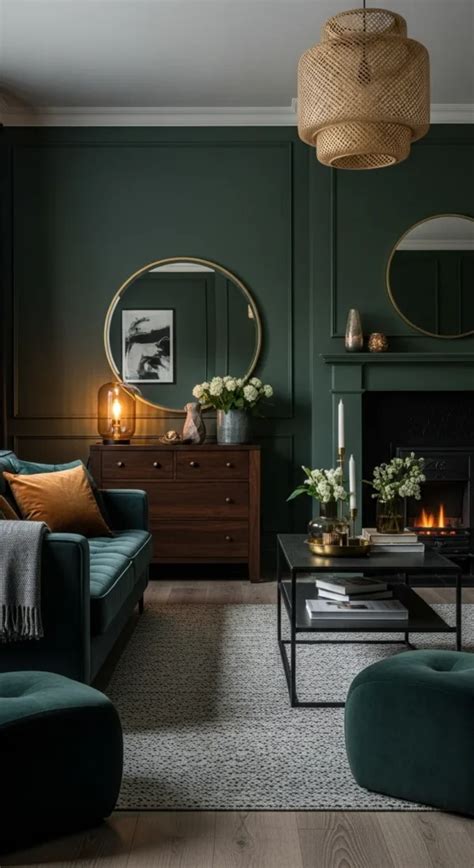
While light and airy living rooms remain a classic choice, a bold shift toward moody, atmospheric spaces is captivating design enthusiasts. Deep charcoal, midnight blue, forest green, and even rich plum are being used on accent walls or wrapping entire rooms to create an intimate, cocoon-like ambiance. This approach works particularly well in spaces dedicated to evening relaxation and movie watching.
Moody walls require layered, intentional lighting to prevent the room from feeling dark or uninviting. Instead of relying on a single overhead flush-mount light, incorporate warm-temperature floor lamps, dimmable wall sconces, and low-profile picture lights to highlight artwork. This interplay of deep shadows and warm pools of light adds incredible architectural drama to standard suburban living rooms.
8. Vintage and Artisan-Crafted Decor Accents
In a mass-produced marketplace, there is a growing appreciation for pieces with history, patina, and human touch. Homeowners and renters are increasingly incorporating vintage furniture, artisan ceramics, hand-knotted textiles, and heirloom-quality wood accents into their living rooms. This approach not only supports sustainable consumption by keeping existing goods in circulation, but it also infuses the space with genuine character that cannot be replicated by big-box retail items.
Mixing eras is the secret to making vintage pieces look intentional rather than dated. Pair a mid-century modern teak side table with a contemporary streamlined sofa, or display a collection of rustic, mismatched pottery on a sleek floating shelf. This eclectic juxtaposition grounds the room and ensures your decor tells a unique, personal story.
9. Architectural Details Through Millwork and Panels
Adding architectural interest to builder-grade living rooms has become a major trend for homeowners looking to elevate their interiors without a major structural overhaul. Vertical wall slats, board-and-batten wainscoting, decorative ceiling beams, and picture-frame molding instantly transform a flat, plain room into a custom-designed space with rich shadow lines and depth.
While traditional millwork requires carpentry skills, renters and DIY enthusiasts can achieve a similar upscale look using lightweight, paintable polyurethane molding or peel-and-stick wood slat panels attached with command strips or construction adhesive. Painting these added architectural elements in a dramatic monochromatic shade further enhances their high-end, bespoke appearance.
10. Sustainable and Circular Home Furnishings
Sustainability is no longer an afterthought in interior design; it is a primary purchasing criteria for a vast number of U.S. consumers. Sustainable living room design focuses on non-toxic fabrics like organic cotton, linen, and hemp, responsibly sourced solid woods certified by forestry organizations, and circular furniture made from recycled or upcycled materials. These choices ensure that your home environment supports indoor air quality and ethical manufacturing.
When evaluating sustainable furnishings, look for transparency from manufacturers regarding their supply chains and material certifications. Opting for durable, high-quality foundational pieces—such as a kiln-dried hardwood sofa built to last decades—reduces the environmental impact of frequent furniture replacement, proving that eco-friendly design is both a responsible and long-term financial investment.
Frequently Asked Questions
How can renters apply these 2026 living room trends without making permanent changes?
Renters can easily embrace these trends by focusing on non-permanent elements such as modular furniture, statement area rugs, peel-and-stick wall panels, hanging plant brackets, and layered lighting via floor and table lamps. Textiles and accessories allow you to experiment with warm color palettes and tactile maximalism without risking your security deposit.
<
What is biophilic design and how do I start incorporating it into my living room?
Biophilic design is the practice of connecting indoor living spaces with nature. You can start incorporating it by introducing a variety of indoor plants, maximizing natural window light, choosing unfinised wood or stone furniture, and using organic shapes and earthy color tones throughout your decor.
<
How do I keep a moody, dark-painted living room from feeling too small?
To prevent a dark or moody living room from feeling cramped, ensure you incorporate layered, warm-temperature lighting at different heights, such as floor lamps and wall sconces. Additionally, using mirrors to reflect light and choosing streamlined furniture with exposed legs can keep the floor plan feeling open and airy.