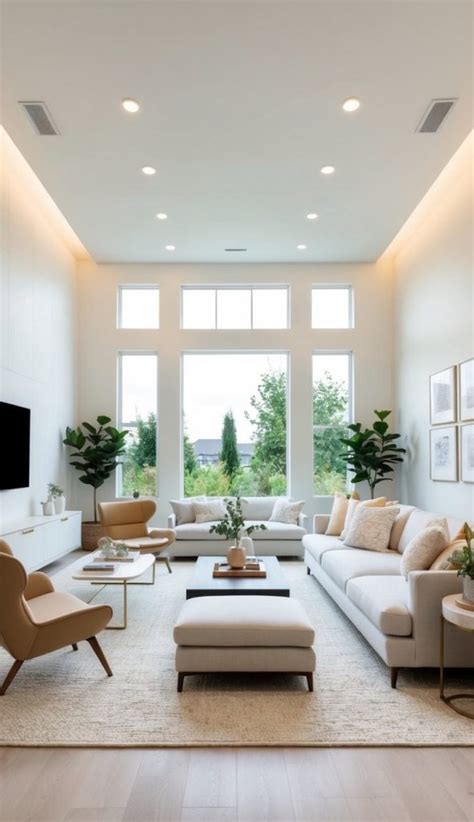
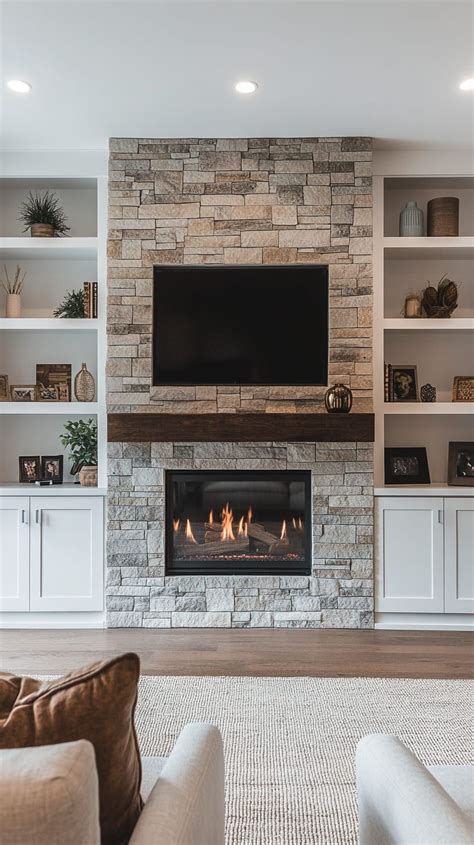
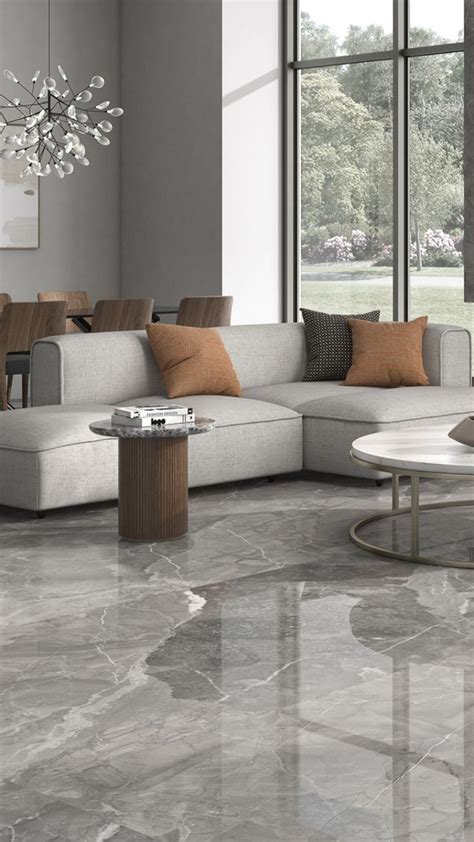
Console tables have long served as the unsung heroes of interior design, bridging the gap between narrow hallways, entryways, and expansive living rooms. As we look ahead to 2026, the role of the console table is shifting from a purely transitional surface to a statement architectural feature. Modern homeowners and renters are increasingly seeking pieces that combine streamlined profiles with unexpected textures, sustainable craftsmanship, and clever multifunctionality. Whether your living space requires a slim anchor behind a floating sofa or a sculptural centerpiece against a blank wall, understanding the trajectory of upcoming furniture design helps ensure your investment remains timeless.
Navigating the evolving furniture landscape requires looking beyond temporary fads to identify designs that offer genuine utility and lasting aesthetic appeal. The coming year emphasizes tactile richness, organic forms, and thoughtful engineering designed to maximize spatial efficiency without compromising on visual weight. By exploring the materials, spatial configurations, and styling philosophies shaping the future of home decor, you can curate a living environment that feels both grounded and refreshingly modern.
Material and Finish Trends Shaping 2026

The materials dominating furniture design in 2026 reflect a collective desire for warmth, texture, and environmental consciousness. Gone are the days of sterile, high-gloss finishes and uniform manufactured wood. Instead, interior spaces are welcoming tactile surfaces that celebrate natural imperfections. Travertine, brushed limestone, and fluted solid woods take center stage, offering structural integrity alongside deeply satisfying organic patterns. Metals are also evolving, shifting away from bright polished chrome toward living finishes like antique brass, blackened steel, and brushed bronze that develop a rich patina over time.
When selecting a finish for your living room, it is essential to consider how light interacts with the surface throughout the day. Matte stone and textured plaster finishes diffuse light softly, creating a calm and inviting atmosphere, while subtle metallic accents can bounce natural light into darker corners of an open-plan apartment. The primary trade-off when choosing porous natural stones or raw wood veneers is maintenance; these surfaces often require periodic sealing or careful cleaning to prevent staining. However, the reward is a living room anchor piece that feels authentic, substantial, and deeply connected to nature.
Space-Saving and Multifunctional Designs for Modern Living
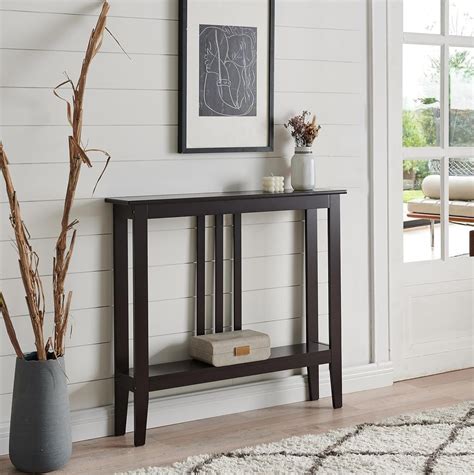
Urban apartments and multi-purpose living spaces demand furniture that works harder and smarter. In 2026, console tables are increasingly doubling as compact desks, fold-out dining buffets, or concealed storage stations. Designers are incorporating clever cabinet doors, sliding tambour panels, and nested ottomans that slide seamlessly beneath the table frame. These space-saving features allow renters and homeowners to maintain a clutter-free environment even when square footage is at a premium.
Evaluating a multifunctional console table requires a careful assessment of your daily routines rather than just room measurements. If you plan to use the surface as a temporary workspace, look for models with integrated cord management channels and adequate knee clearance beneath the apron. For those who frequently host guests, a console with drop-leaf extensions or nesting side tables provides instant flexibility without permanently dominating the room layout. Balancing these mechanical features with clean architectural lines ensures the piece looks intentional rather than overly utilitarian.
How to Style Your Console Table Like an Interior Designer
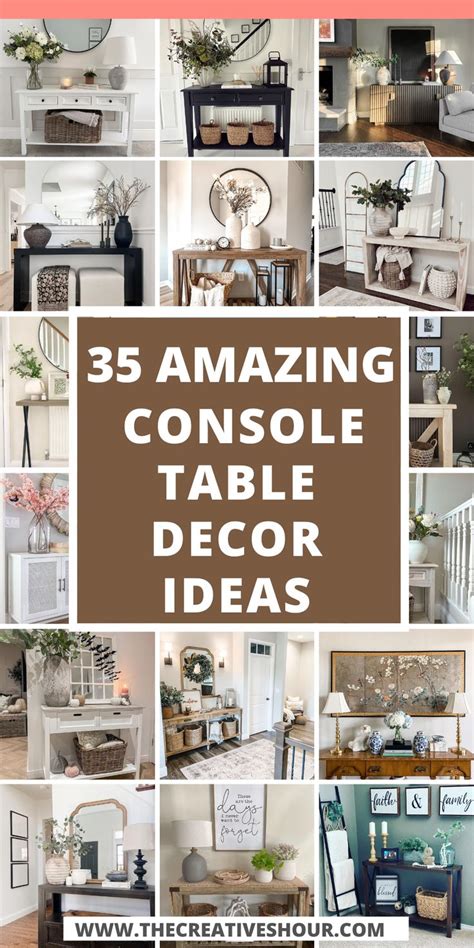
Styling a console table is an exercise in balance, scale, and storytelling. Because these surfaces are typically long and narrow, the primary challenge is avoiding a cluttered look while preventing the arrangement from feeling flat or sparse. Professional stylists often rely on the rule of triangles, grouping objects of varying heights—such as a tall ceramic vase, a medium-sized framed art piece leaning against the wall, and a low stack of art books—to guide the viewer’s eye smoothly across the display.
Lighting plays a critical role in bringing your console arrangement to life. Incorporating a sculptural table lamp with an artisanal ceramic base or a pleated fabric shade introduces vertical height and ambient evening illumination. To anchor the display further, hang a large mirror or a piece of textured wall art directly above the center of the table, ensuring the width of the artwork is roughly two-thirds the width of the console beneath it. This spatial relationship creates a cohesive visual anchor that unifies the furniture piece with the surrounding architecture.
Balancing Modern Aesthetics with Everyday Durability
Investing in a trend-forward console table should never mean sacrificing everyday resilience. Modern living spaces are active environments prone to everyday wear, from pet traffic to accidental bumps from toys or vacuum cleaners. When shopping for 2026 designs, prioritize robust joinery, solid wood frames, and reinforced brackets, particularly if you choose heavy stone tabletops that require significant structural support.
Understanding the construction methods behind your furniture helps bridge the gap between high fashion and long-term durability. Look for pieces that utilize sustainable hardwoods, kiln-dried timber, or heavy-gauge powder-coated metals rather than lightweight particle board that can sag under heavy loads. By prioritizing structural quality alongside your preferred design aesthetic, you ensure that your living room upgrade remains a functional centerpiece for years to come.
Frequently Asked Questions
What console table styles will be popular in 2026?
The predominant styles for 2026 lean toward organic modernism, featuring fluted wood textures, travertine and limestone surfaces, and softened geometric silhouettes. Industrial polished finishes are giving way to warmer, tactile materials that bring a sense of nature indoors.
How do I choose the right size console table for my living space?
Start by measuring the designated wall or the back of your sofa. Ensure the console table leaves at least six inches of clearance on either side if placed behind furniture, and maintain a depth that does not obstruct primary walking pathways in your room.
Are multifunctional console tables durable enough for daily use?
Yes, provided you select models constructed with quality hardware, solid wood, or reinforced metal frames. Check drawer slides, hinges, and weight capacities carefully if you intend to use the table as a workspace or storage station.
What is the best way to style a narrow console table without cluttering it?
Use the principle of asymmetry and varying heights. Group items in odd numbers, incorporate a table lamp for vertical illumination, and use a large mirror or piece of art on the wall above to create a balanced focal point.