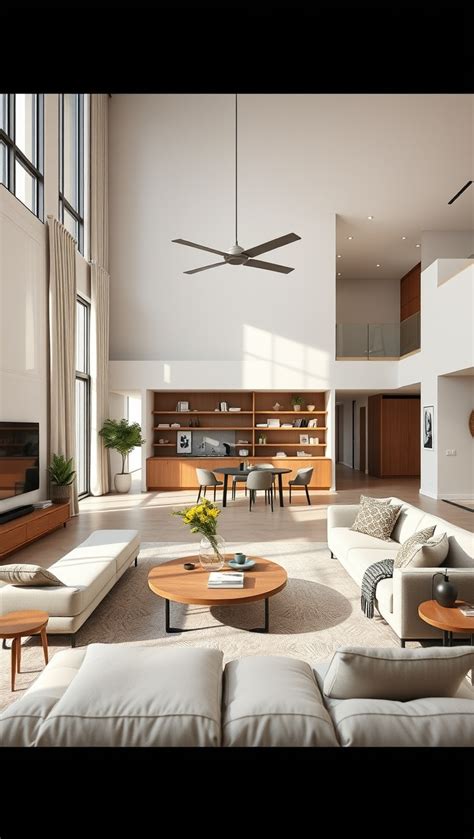
A well-chosen console table does more than fill an empty hallway or anchor a living room sofa; it sets the aesthetic tone the moment you step inside a home. In contemporary interior design, these versatile surfaces act as functional art pieces, balancing clean architectural lines with everyday utility. Whether you are aiming to declutter a bustling family entryway or introduce sophisticated layering into an open-concept living area, selecting the right piece requires balancing proportions, tactile materials, and intentional styling frameworks.
Navigating the market for modern contemporary console tables involves understanding how subtle shifts in silhouette, hardware, and finish impact your overall spatial flow. By evaluating your room’s specific scale, lighting, and storage needs, you can transform a simple surface into a striking focal point that elevates your interior ambiance without sacrificing practical living requirements.
Defining Modern Versus Contemporary Styles in Console Tables
While the terms modern and contemporary are often used interchangeably in everyday conversation, they carry distinct design lineages that influence furniture silhouettes. Modern design refers to a specific historical era rooted in the early-to-mid 20th century, characterized by organic forms, warm wood tones, and a minimalist commitment to function. Contemporary design, conversely, represents the current moment—fluid, constantly evolving, and heavily influenced by cutting-edge materials, industrial edges, and sleek monochromatic palettes.
When shopping for modern contemporary console tables, you will frequently see a hybrid approach that blends mid-century warmth with ultra-sleek present-day finishes. A piece featuring walnut construction with tapered legs leans heavily into modern heritage, while a brushed brass frame topped with tempered glass or sintered stone embodies contemporary luxury. Recognizing this nuance helps homeowners curate spaces that feel neither dated nor overly sterile, striking a harmonious balance between nostalgic comfort and current design sophistication.
Material Trends: Balancing Durability with Visual Weight
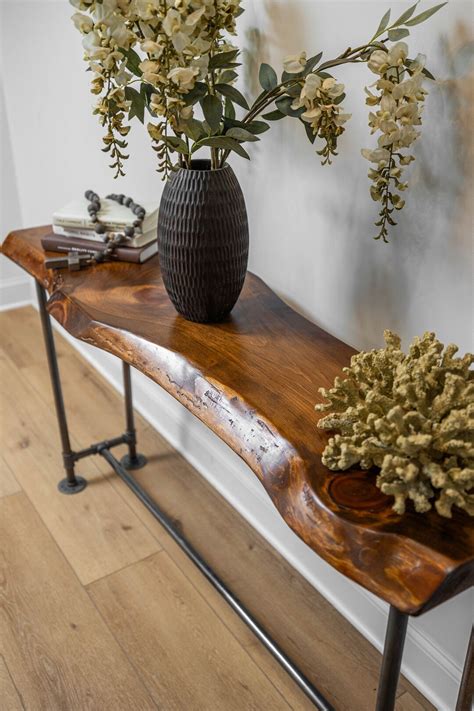
The materials you select for your console table dictate both its longevity and its visual impact within a room. High-traffic entryways demand resilient surfaces that resist scuffs, water rings, and daily wear, whereas living room installations allow for more delicate, sculptural statements. Understanding how different materials interact with natural and artificial light is essential for achieving a balanced interior palette.
Solid hardwoods like white oak and walnut introduce organic warmth and grounding texture, making them ideal anchors for neutral or brightly lit American floor plans. Metal accents, ranging from matte black steel to polished chrome and brushed brass, introduce crisp architectural lines that define contemporary spaces. Meanwhile, stone surfaces such as honed marble or travertine offer a tactile, luxurious focal point, though they require conscious maintenance to preserve their finish over years of heavy use.
Glass and Acrylic for Open-Concept Spatial Expansion
Transparent materials like tempered glass and acrylic are premier choices for smaller apartments or narrow suburban entryways where preserving sightlines is crucial. Because light passes straight through these pieces, they visually minimize clutter and create an illusion of expansive square footage.
However, glass and acrylic console tables require careful placement regarding foot traffic and household habits. Families with young children or pets might find that transparent surfaces demand frequent dusting and fingerprint wiping, whereas textured or fluted glass options offer a clever compromise by diffusing light while hiding minor smudges.
Sizing and Placement Strategies for U.S. Floor Plans
Before purchasing any console table, precise measurement of your intended wall space is non-negotiable. Standard console tables typically measure between 30 to 36 inches in height, mirroring the standard ergonomic height of sideboards and desks, while depths can range from a slim 10 inches for narrow corridors up to 20 inches for living room back-of-sofa placements.
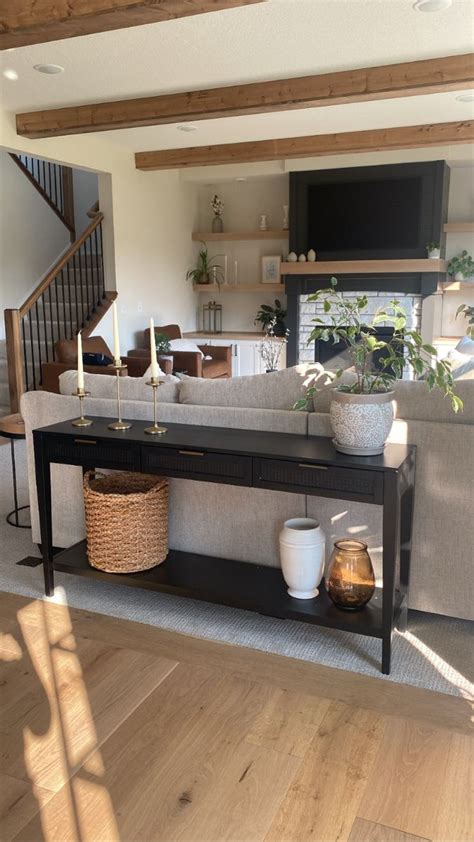
In open-concept layouts common in modern American homes, floating a console table behind a living room sofa creates a subtle yet effective zone divider between seating areas and walking paths. Ensure there is at least 30 to 36 inches of clearance around the table to allow comfortable movement without crowding traffic lanes or blocking architectural features like baseboard heating vents and electrical outlets.
Styling Frameworks to Elevate Room Ambiance
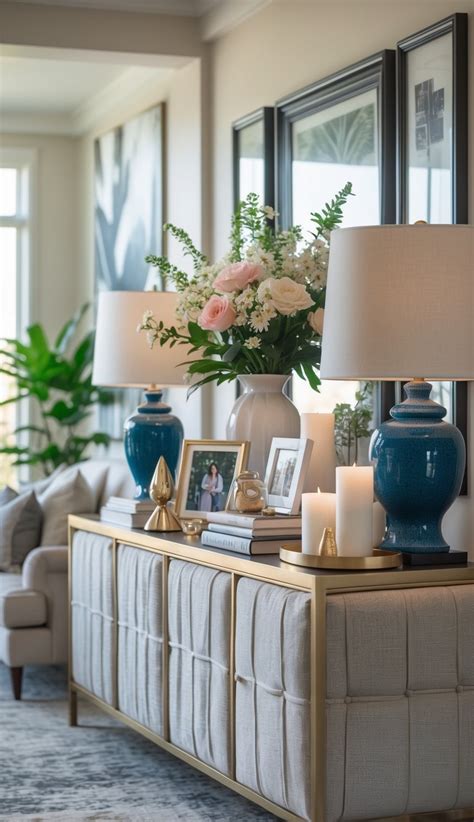
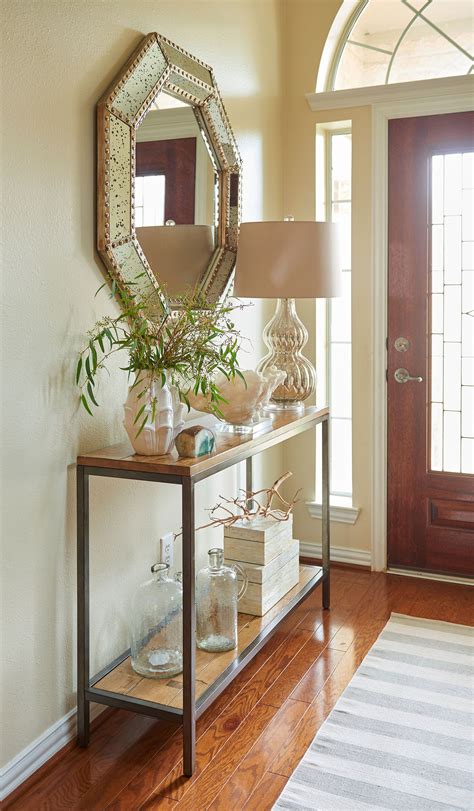
Styling a console table successfully relies on asymmetry, varied heights, and contrasting textures rather than symmetrical clutter. Start by establishing a vertical anchor, such as a large statement mirror or a piece of framed wall art that spans roughly two-thirds of the console’s total width. This prevents the tabletop vignette from feeling disconnected from the vertical plane of the room.
Next, layer objects using the rule of three, combining items of varying heights and materials—such as a ceramic table lamp, a stack of art books topped with a decorative bowl, and a sculptural bronze object. Incorporating living elements like a trailing pothos or a seasonal floral arrangement breathes organic vitality into the display, instantly softening the clean geometry typical of contemporary furniture designs.
Frequently Asked Questions
How do I choose between modern and contemporary console table styles?
Consider your home’s existing architecture and furniture. If you prefer warm wood tones, organic shapes, and mid-century nostalgia, lean toward modern designs. If you favor sleek metals, high-contrast monochrome palettes, mixed media, and avant-garde silhouettes, contemporary pieces will align better with your aesthetic.
What is the standard height and depth for a console table?
Most standard console tables range from 30 to 36 inches high. Depth varies significantly based on function: narrow entryway tables can be as shallow as 10 to 12 inches to save floor space, while living room console tables placed behind sofas often measure 15 to 20 inches deep.
How can I style a console table to look intentional and balanced?
Anchor the table with a large vertical element like a mirror or artwork. Use the rule of three to group tabletop objects, combining items of differing heights and textures—such as lighting, books, and organic greenery—to create visual depth without crowding the surface.
Which materials work best for high-traffic entryways versus living rooms?
For high-traffic entryways, durable hardwoods, powder-coated metals, and sealed stone tolerate heavy daily use and dropped keys well. In contrast, living room console tables are fantastic spaces for delicate materials like tempered glass, polished marble, or high-gloss lacquers that highlight refined luxury.