When you step into a room anchored by artisan leather furniture, the immediate impression is one of warmth, character, and deliberate design. Unlike mass-produced alternatives that rely on synthetic coatings or compressed particle boards, handmade leather pieces celebrate the natural textures and irregularities of the hide. Whether you are furnishing a historic brownstone or updating a contemporary suburban rental, introducing a piece inspired by traditional workshops like The Leather Shop shifts the room from merely decorated to genuinely lived-in and curated.
Investing in handcrafted leather requires understanding what sets these items apart in a market flooded with fast furniture. From the initial selection of full-grain hides to the hand-stitched seams and robust internal frames, artisan pieces are built to accompany you through decades of life changes. By focusing on material integrity and timeless silhouettes, homeowners can create spaces that look sophisticated today and grow even more striking as the years pass.
The Anatomy of True Artisan Craftsmanship
The distinction between factory-made seating and artisan leather furniture lies in the hands of the craftsperson. Traditional makers approach each hide as a unique canvas, carefully inspecting the material for natural grain patterns, growth marks, and subtle color variations that tell the story of the animal’s life. Rather than discarding hides with personality, skilled artisans incorporate these features into visible surfaces, ensuring no two sofas, armchairs, or ottomans are exactly alike.
Construction methods are equally rigorous. While commercial manufacturers often use staples and lightweight plywood, traditional workshops rely on kiln-dried hardwood frames joined by mortise-and-tenon techniques. Suspension systems typically feature hand-tied springs or high-tensile webbing that prevents sagging over decades of heavy use. This meticulous attention to structural integrity guarantees that the exterior beauty is supported by an equally resilient interior skeleton, providing both ergonomic support and lasting stability.
Understanding Full-Grain Leather and the Aging Process
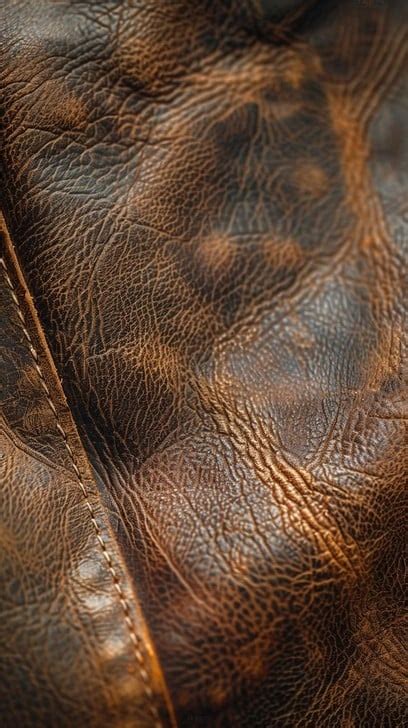
To truly appreciate artisan leather furniture, one must understand the nature of full-grain leather. This material utilizes the absolute topmost layer of the hide, preserving the natural grain and fiber strength intact. Unlike corrected-grain or bonded leather, which are sanded down and stamped with artificial textures or glued together from scraps, full-grain leather breathes naturally, feels exceptionally soft to the touch, and carries a rich, earthy scent that signals genuine quality.
One of the most rewarding aspects of owning full-grain leather is its evolution over time. Through daily contact with oils from your skin, exposure to natural sunlight, and the gentle friction of regular seating, the material develops a rich patina. Scuffs and minor scratches do not ruin the piece; instead, they blend into the surface, creating a multi-tonal depth and vintage character that synthetic materials can never replicate. This aging process turns a simple living room chair into a cherished family heirloom.
Integrating Leather Into Modern and Traditional Interiors
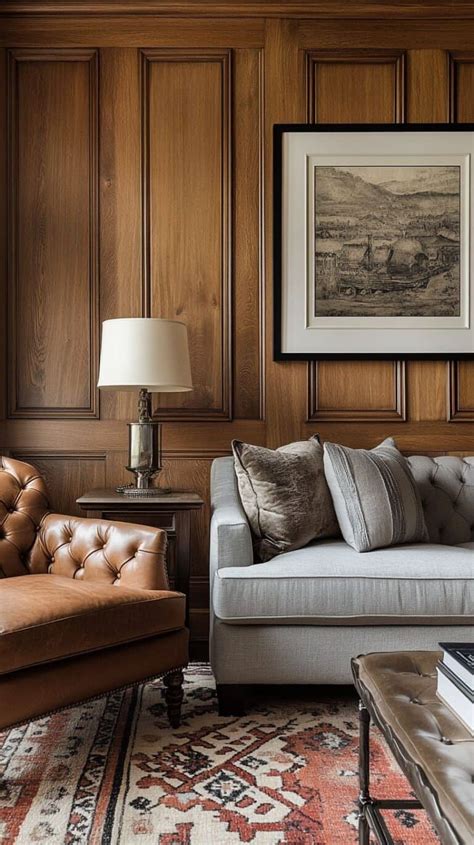
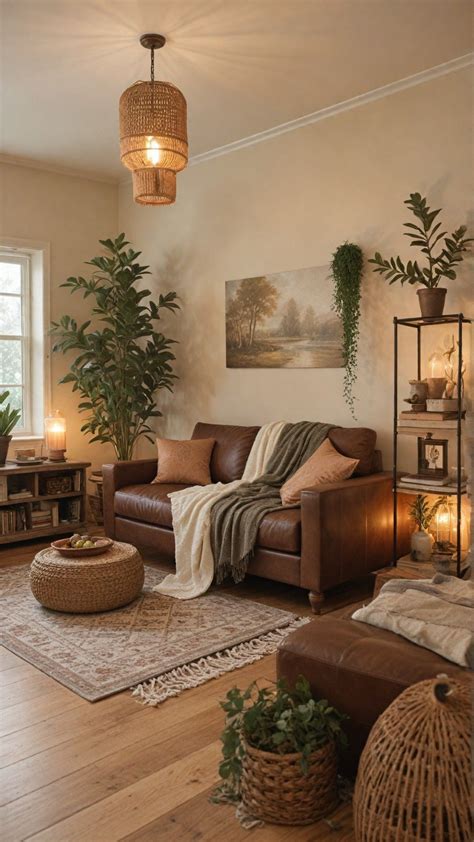
Styling artisan leather furniture requires a thoughtful balance of textures to prevent a room from feeling heavy or monochromatic. In a modern minimalist apartment characterized by clean lines and neutral walls, a rich caramel or cognac leather armchair introduces organic warmth and breaks up stark geometric layouts. Paired with a sleek brass floor lamp and a textured wool rug, the leather piece becomes a sophisticated focal point without overwhelming the surrounding space.
In more traditional or transitional homes, leather sofas and ottomans anchor the room with a sense of grounded elegance. To keep the atmosphere inviting rather than formal, layer the seating with soft linen throw pillows, heavy knit blankets, and natural wood coffee tables. The contrast between cool ceramics, soft textiles, and warm, supple leather creates a multi-sensory environment that welcomes relaxation while maintaining a high-end editorial aesthetic.
Care, Maintenance, and Long-Term Value
Maintaining artisan leather furniture is remarkably straightforward when approached with the right techniques. Because full-grain leather is a natural material, it responds well to basic preventive care. Regular dusting with a soft, dry cloth prevents abrasive particles from settling into the grain. Every few months, applying a high-quality, natural leather conditioner helps replenish essential oils, keeping the hide supple and preventing it from drying out, particularly in homes with dry winter climates or direct sunlight.
From a financial perspective, investing in handmade leather goods offers exceptional long-term value. While the initial upfront cost is higher than mass-market furniture, the lifespan of a well-maintained artisan piece easily outlasts three or four cheap replacements. This durability makes high-end leather a sustainable choice for environmentally conscious consumers who want to reduce landfill waste and build a home filled with items of enduring integrity.
Frequently Asked Questions
What makes artisan leather furniture different from mass-produced furniture?
Artisan leather furniture is distinguished by its use of premium full-grain hides, traditional joinery techniques, and handmade construction. Unlike factory-made pieces that use synthetic coatings and particle board frames, artisan furniture features kiln-dried hardwood frames, hand-stitched seams, and natural materials designed to last for decades.
How does artisan leather age over time?
Full-grain artisan leather develops a unique patina over time. As it interacts with natural oils, sunlight, and everyday use, the leather softens, deepens in color, and acquires character marks that make each piece entirely unique and visually richer the longer you own it.
How should high-end leather furniture be maintained?
Maintenance involves regular dusting with a soft cloth and periodic treatment with a specialized natural leather conditioner every six to twelve months. Keeping leather pieces away from direct heat sources and harsh sunlight will also help preserve their suppleness and rich color.
Is artisan leather furniture suitable for homes with pets or children?
Yes, full-grain leather is remarkably durable and surprisingly pet-friendly compared to woven fabrics, which tend to trap pet hair and pull easily. While sharp claws can leave marks, these minor scratches often blend into the developing patina, adding to the rustic charm of the piece.