Designing a living space that feels genuinely personal requires a careful balance between immediate comfort and long-term utility. Whether you are settling into a suburban single-family house or updating a downtown urban apartment, the physical structure of your home represents a canvas for daily life. Many residents struggle to achieve a cohesive aesthetic because they approach decorating as a series of isolated purchases rather than a structured planning process. Effective home decor planning means evaluating how you actually move, relax, and work within your square footage before selecting a single piece of furniture or paint color.
The fundamental challenge lies in adapting standard architectural layouts to fit individual routines. For U.S. renters, this challenge involves navigating lease restrictions, neutral paint policies, and the reality of relocating in the future. Homeowners face a different set of decisions, often balancing the desire for immediate gratification with the responsibility of making capital investments in permanent fixtures. By focusing on a reliable planning framework, you can bridge these architectural divides and create a sanctuary tailored to your specific lifestyle, regardless of whether your name is on the deed or the lease.
Assessing Your Space and Lifestyle Priorities
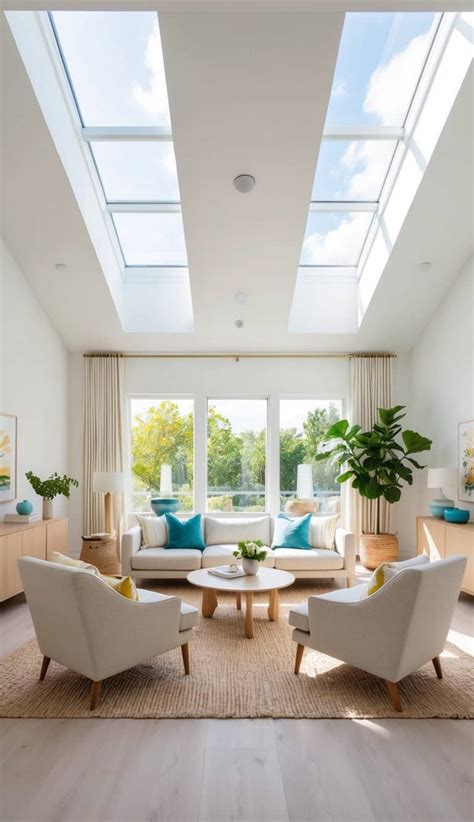
Before purchasing textiles, art, or statement furniture, take time to conduct a comprehensive spatial and behavioral audit of your home. Walk through each room during different times of the day to observe how natural light shifts, where clutter naturally accumulates, and which zones experience heavy foot traffic. Your floor plan should support your habits rather than force you into awkward movement patterns. Documenting these daily friction points prevents costly design mistakes and ensures every square foot serves a distinct purpose.
Next, list your top three functional priorities for each room. A living room might need to accommodate remote work setups, weekend entertaining, and quiet evening relaxation all at once. Recognizing these competing demands early dictates your furniture scale and layout strategy. For instance, if multi-functionality is essential, prioritize modular seating or expandable coffee tables over single-use decorative items. By anchoring your design choices in practical behavior, you avoid overcrowding rooms with items that look appealing in a showroom but fail to support your everyday routine.
Establishing a Realistic Budget and Phasing Projects
A common pitfall in home decor is attempting to furnish and style an entire residence simultaneously, which frequently leads to financial strain and hasty purchasing decisions. Instead, adopt a phased approach that categorizes your needs into immediate essentials, secondary upgrades, and long-term investments. Essential items include structural seating, reliable lighting, and window treatments that guarantee privacy. Secondary items encompass decorative rugs, accent pillows, and wall art, while long-term investments involve custom built-ins or heirloom-quality case goods.
Allocating funds realistically also requires understanding regional costs and material durability. Set aside a modest contingency fund for unexpected expenses, such as heavy-duty mounting hardware or professional assembly services. When you phase your projects over several months, you give yourself the opportunity to live in the space, understand its acoustic and lighting nuances, and refine your aesthetic vision. This patient approach prevents impulse buying and results in a more curated, authentic interior.
Renter-Friendly Solutions for Temporary and Flexible Spaces
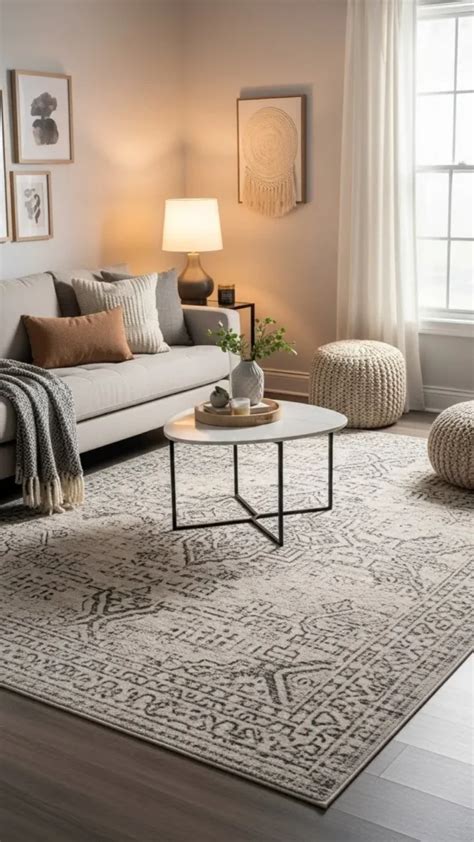
Renting in the United States often comes with strict lease provisions regarding nail holes, paint colors, and permanent fixtures. Fortunately, the market for non-permanent home decor has evolved significantly, offering countless ways to customize a rental without risking your security deposit. Tension rods, heavy-duty adhesive strips designed for easy removal, and freestanding shelving units allow you to maximize vertical storage and display artwork without touching the drywall. When dealing with generic carpet or dated flooring, large-scale area rugs can completely transform the visual temperature of a room.
Lighting and window treatments also play a massive role in rental personalization. Standard rental window blinds are notoriously utilitarian; layering them with ceiling-mounted curtain tracks or tension rods fitted with linen drapes adds instant architectural softness. Furthermore, investing in plug-in wall sconces and stylish table lamps lets you bypass harsh overhead lighting fixtures entirely. These temporary upgrades move with you when your lease expires, making them smart, sustainable investments in your long-term comfort.
Homeowner Strategies for Long-Term Investments and Layout Optimization
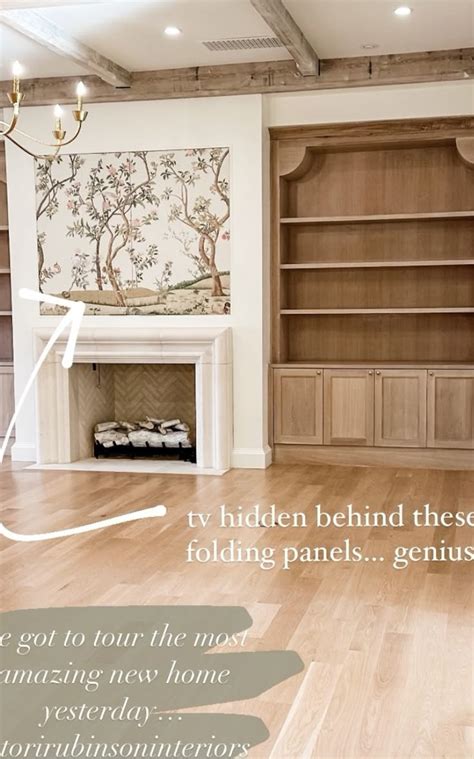
Homeownership offers the freedom to make permanent architectural changes, but this very freedom can sometimes lead to over-customization or disjointed renovations. When planning upgrades, prioritize improvements that enhance structural flow and daily efficiency before tackling purely cosmetic updates. Consider how sightlines function across open-plan ground floors, or whether enclosed spaces would benefit from widening doorways to invite more natural light. Long-term investments should solve foundational problems, such as upgrading outdated electrical panels to handle modern lighting schemes or improving insulation.
Layout optimization for homeowners often revolves around built-in solutions and custom millwork. Built-in bookcases, window seats, and mudroom drop zones maximize awkward niches and add substantial resale value to a property. When selecting permanent finishes like hardwood flooring, tile, or stone countertops, lean toward classic, neutral profiles that accommodate shifting interior design trends over the decades. By anchoring your home with enduring architectural elements, you create a timeless backdrop that easily adapts to changing soft furnishings and color accents.
Curating a Cohesive Color Palette, Lighting Scheme, and Texture Mix
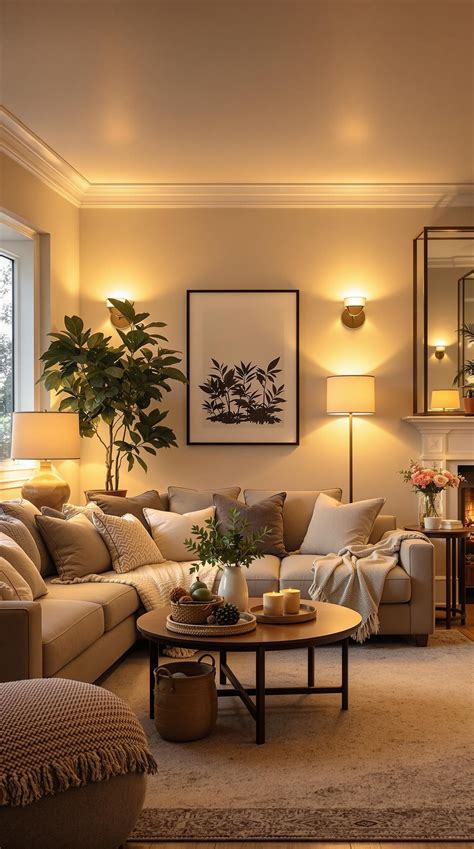
A unified interior relies on a deliberate interplay of color, light, and tactile surfaces. Begin your palette development by establishing a neutral foundation for large surfaces like walls, sofas, and large rugs, then introduce secondary and accent colors through easily swappable items like throw blankets, ceramics, and art. Layering lighting across ambient, task, and accent sources adds dimensional warmth to any room. Combine overhead fixtures with warm-toned table lamps and directional reading lights to create a welcoming, multi-layered atmosphere after dark.
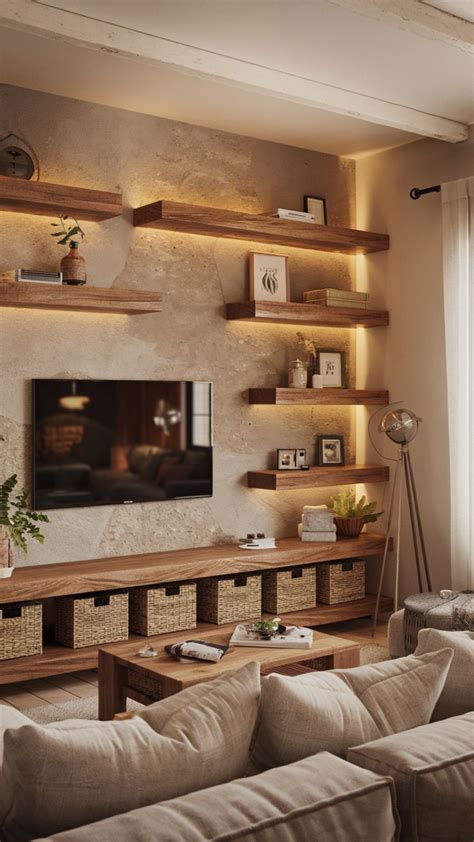
Texture is the secret ingredient that prevents neutral spaces from feeling flat or sterile. Mix smooth woods with nubby linens, woven rattan baskets, and brushed metal hardware to create visual and physical depth. This tactile variety engages the senses and makes a newly decorated room feel lived-in and inviting from day one. Pay attention to the scale of your patterns and textures, balancing large geometric prints with subtle woven solids to maintain visual equilibrium throughout your living spaces.
Frequently Asked Questions
How can renters hang heavy art without violating their lease agreements?
Many U.S. apartment communities prohibit large anchor bolts in drywall. To display heavy art safely, use heavy-duty adhesive hanging systems rated for specific weights, lean large frames against walls on secure credenzas, or utilize freestanding picture ledges that require minimal wall anchoring upon move-out.
What is the best way to start planning a room layout from scratch?
Begin by measuring your room dimensions and mapping out fixed architectural elements like doors, windows, and electrical outlets. Identify your primary focal point—such as a fireplace, a view, or a media console—and arrange your largest anchor furniture piece around it before filling in secondary seating and tables.
How do I make a generic, builder-grade apartment feel more custom and personal?
Focus on elements you can easily control: lighting, textiles, and window treatments. Swap out basic builder-grade lightbulbs for warm 2700K LEDs, hang curtains closer to the ceiling to elongate the walls, and incorporate vintage or handmade decor items that reflect your personal history.
How can I create a cohesive design flow between open-plan rooms?
Establish a unified color palette of three to four primary shades and repeat them through rugs, throw pillows, and art across connected zones. Maintaining consistent wood tones or metal finishes throughout adjacent rooms also helps tie the entire floor plan together seamlessly.