Designing a living room on the Delmarva peninsula requires a thoughtful balance between coastal whimsy, rural charm, and practical durability. Whether your property sits right along the Atlantic coast in Delaware, overlooks the Chesapeake Bay in Maryland, or rests among the rolling farmland of Virginia’s Eastern Shore, your interior space should reflect its unique environment. Standard design templates often fail to capture the distinct light, weather patterns, and architectural nuances found throughout this tri-state coastal region.
Creating a truly inviting room starts with recognizing how you use the space across different seasons. Summers bring intense sunlight, sandy footsteps, and high humidity, while winters call for cozy retreats from chilly bay breezes. By blending local landscape inspirations with resilient materials and professional styling frameworks, you can curate a living room that looks effortlessly sophisticated while standing up to everyday coastal life.
Embracing the Delmarva Aesthetic
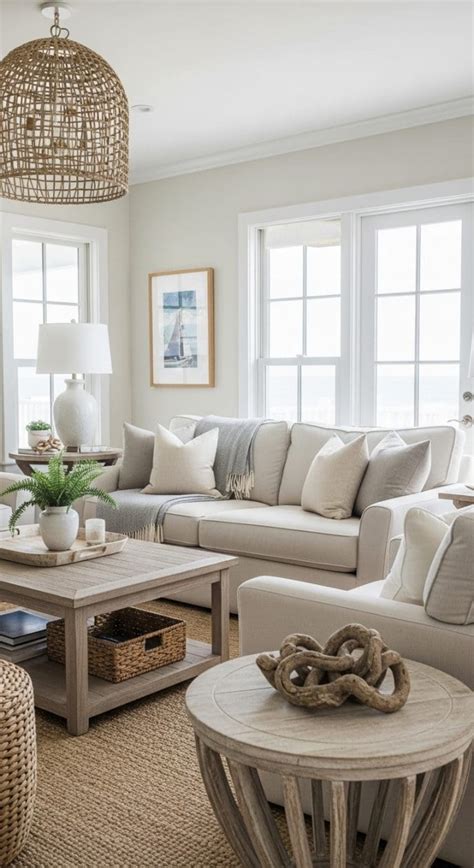
The Delmarva aesthetic is rarely about rigid coastal clichés like neon signage or predictable seashell motifs. Instead, successful regional design relies on a sophisticated interpretation of local geography, merging maritime heritage with agrarian warmth. Homes in this region benefit from a layered approach that acknowledges both the sandy shores and the inland farms.
To achieve this balance, focus on textural elements that mimic the natural environment. Think of weathered driftwood accents paired with rich, distressed leather or wrought iron details that reference historic local architecture. This interplay prevents a room from looking overly theme-driven, ensuring it remains timeless and grounded. Incorporating vintage finds from local antique shops along Route 13 or coastal markets adds authentic character that manufactured decor simply cannot replicate.
Balancing Beach, Bay, and Countryside Influences
When planning your layout, consider which specific sub-region inspires your daily life. If your home faces the Atlantic surf, crisp whites, pale sandy neutrals, and watery blues create an expansive, airy atmosphere that amplifies natural light. Properties closer to the Chesapeake Bay often call for deeper maritime tones like navy, seagrass green, and muted coral to complement the calmer waters and marshlands.
For inland and rural properties across the peninsula, leaning into farmhouse and historic cottage influences works wonderfully. Warm woods, muted earth tones, and tactile fabrics like wool and linen help anchor the space. The key is editing your accessories so that the room feels curated rather than crowded, allowing the architectural features of your living room to breathe.
Choosing Climate-Smart Materials and Furniture
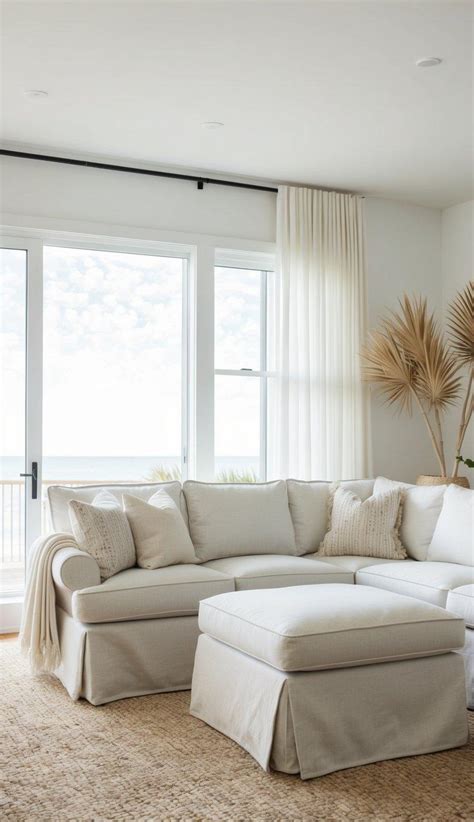
Living on a peninsula means dealing with constant moisture, shifting humidity levels, and plenty of tracked-in sand or mud. Selecting furniture and textiles purely for their initial visual appeal is a common misstep that leads to premature wear. Prioritizing climate-smart materials ensures your living room remains beautiful and functional for years without demanding constant maintenance.
Performance fabrics are essential for active Delmarva households, especially if you regularly host family, pets, or weekend guests coming straight from the beach or boat. Look for tightly woven slipcovered sofas made from durable cotton-linen blends or stain-resistant synthetics that can be easily laundered. Avoid overly delicate silks or high-pile rugs that trap moisture and sand, opting instead for flat-weave wool or natural jute rugs that handle high-traffic areas with ease.
Selecting Resilient Woods and Metals
Wood selection requires careful consideration in humid coastal zones. Solid hardwoods like white oak, teak, and reclaimed cypress offer exceptional stability and resistance to warping compared to softer, moisture-absorbing lumber. Reclaimed wood not only handles environmental shifts gracefully but also brings a rich history and patina to your living space.
When it comes to hardware and accent furniture, pay attention to how metals react to salty air. Standard iron and untreated steel can quickly develop rust pitting near the water. Instead, opt for powder-coated metals, solid brass, or brushed stainless steel for your light fixtures, curtain rods, and coffee table frames. These materials maintain their polished or matte finishes much longer, reducing long-term upkeep headaches.
Maximizing Natural Light and Spatial Flow
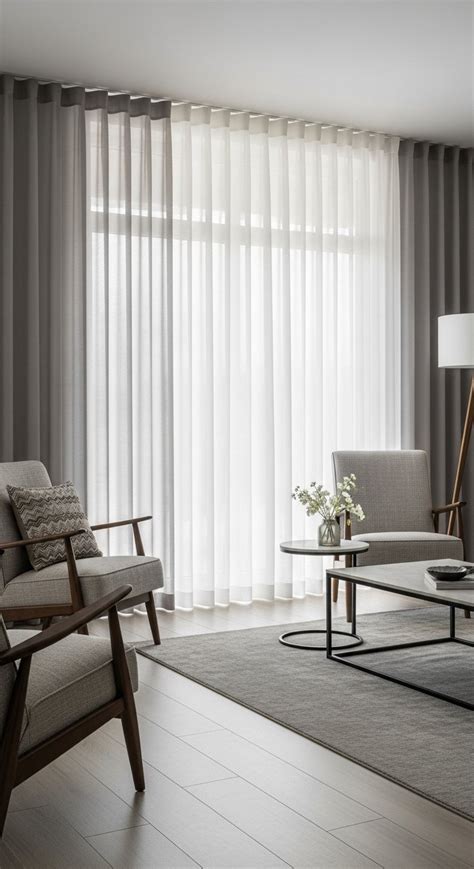
Delmarva homes are blessed with incredible natural light, particularly during long summer days. However, managing that brightness while maintaining privacy and keeping rooms comfortable requires strategic window treatments and furniture placement. Positioning your seating areas to take advantage of window vistas without creating blinding glare is a foundational rule of regional interior styling.
Heavy drapery often works against the breezy, open spirit of peninsula living. Replace thick, light-blocking panels with airy sheer curtains made of linen or lightweight cotton that diffuse harsh midday rays while allowing gentle ocean or bay breezes to filter through when windows are open. Mirrors strategically placed opposite main light sources can also bounce brightness deeper into smaller or awkwardly shaped living rooms, making the entire floor plan feel more expansive.
Furniture Layouts for Relaxed Gathering
A stylish living room must above all be comfortable and conducive to conversation. Avoid pushing all your furniture directly against the perimeter walls, a common layout mistake that creates an uninviting void in the center of the room. Instead, pull your seating inward to form an intimate, cohesive conversation grouping.
Anchor the arrangement with a generously sized area rug that comfortably fits the front legs of your primary seating pieces. Incorporating versatile furniture pieces, such as upholstered ottomans that double as extra seating or cocktail tables with hidden storage, helps keep clutter at bay. This ensures your living room remains a serene, welcoming sanctuary whether you are hosting a large holiday gathering or enjoying a quiet evening by the fire.
Frequently Asked Questions
What interior design styles work best for homes in the Delmarva region?
Styles that blend coastal elegance with rustic, agrarian charm work best. Think refined coastal, modern farmhouse, and transitional cottage aesthetics that incorporate natural textures, durable materials, and a palette inspired by local beaches, bays, and farmlands.
How can I protect my living room furniture from coastal humidity?
Choose moisture-resistant hardwoods like white oak or teak, use slipcovers made from washable performance fabrics, and select rust-resistant metals like powder-coated steel or brass for hardware and accents.
How do I make a small Delmarva living room feel larger?
Maximize natural light by using lightweight linen or cotton sheer curtains, avoid blocking windows with heavy furniture, and use strategically placed mirrors to reflect light across the space while floating your seating arrangement away from the walls.
What color palette should I use for a coastal-inspired living room?
Draw inspiration from your immediate surroundings. Use soft sandy neutrals, crisp whites, and watery blues for ocean-facing homes, or incorporate deeper navy, seagrass green, and warm earth tones for bay and rural properties.