Living in a compact U.S. apartment often means balancing a desire for style with the strict realities of limited square footage. Whether you are dealing with a narrow urban studio or a cozy suburban rental, transforming a small living room requires a thoughtful approach to layout, scale, and multi-purpose design. Instead of cramming standard-sized furnishings into a tight footprint, adopting innovative spatial strategies can completely change how your room looks and functions on a daily basis.
The secret to successful small-space interior design lies in making every square inch work harder for your lifestyle. By focusing on vertical storage, clever optical tricks, and flexible furniture pieces, you can eliminate physical and visual clutter to create an inviting atmosphere. Below are ten practical and design-forward ideas tailored specifically to help you elevate your compact living room without sacrificing personality or everyday comfort.
1. Invest in Multi-Functional and Modular Furniture
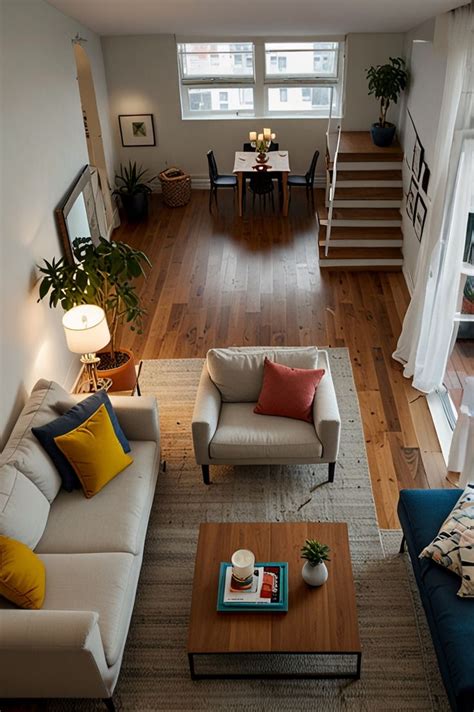
In a tight living room, every single furniture piece should ideally pull double duty. Traditional bulky sofas and heavy coffee tables often eat up valuable floor space that could otherwise be used for movement or supplementary storage. Opting for modular sectionals with built-in hidden compartments or nesting coffee tables allows you to easily adapt your layout on the fly, depending on whether you are relaxing alone after work or hosting a group of friends for the weekend.
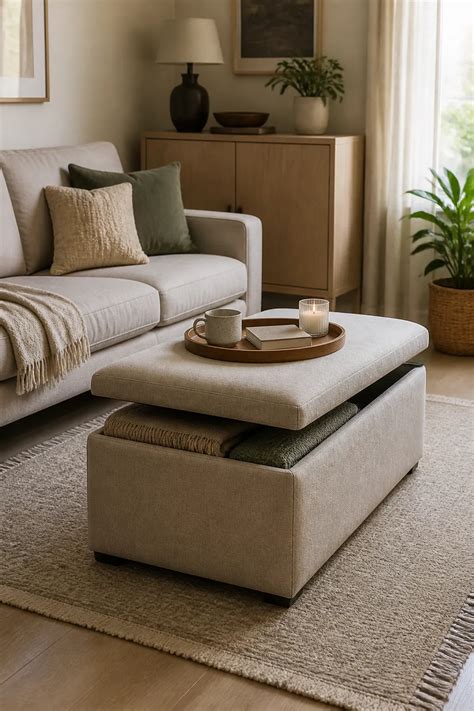
When shopping for multi-functional items, look for clean lines and exposed legs, which allow ambient light to flow underneath the furniture and make the entire room appear larger. Ottoman storage boxes serve as comfortable footrests, extra seating during gatherings, and discreet homes for extra throw blankets and board games, keeping your surfaces free of visual clutter.
2. Leverage Vertical Space with Wall-Mounted Storage
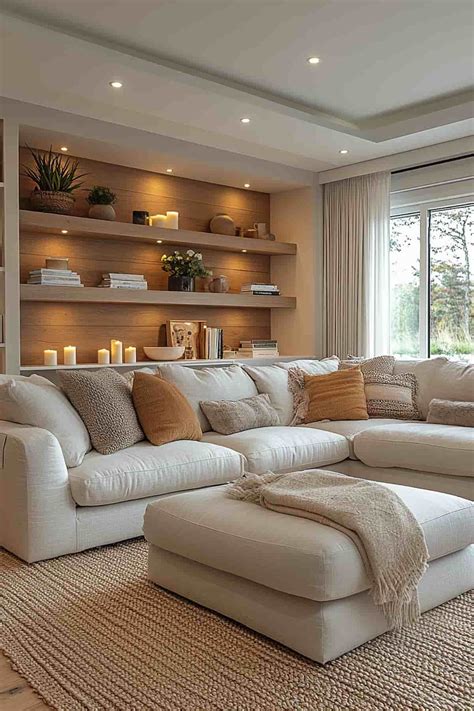
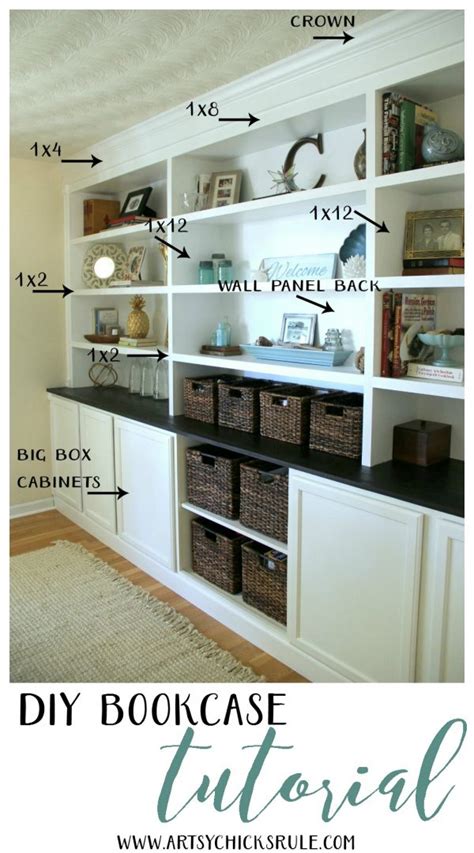
Floor space is a precious commodity in most American apartments, meaning you must look upward to solve your storage challenges. Installing floating shelves or tall, slender bookcases draws the eye naturally toward the ceiling, creating an illusion of height while keeping everyday items organized and accessible without cluttering your walking paths.
For renters who cannot drill extensive holes into drywall, heavy-duty tension shelving units or leaning ladder shelves offer wonderful alternatives that require minimal hardware. When anchoring furniture or shelving to walls, always prioritize safety by using appropriate wall anchors suitable for drywall studs, ensuring your vertical displays remain secure and stable over time.
3. Craft Optical Illusions with Mirrors and Strategic Lighting
Lighting and reflections are powerful design tools when attempting to make a compact area feel expansive and airy. Placing a large, floor-length mirror opposite a primary window instantly bounces natural daylight around the room, effectively doubling the perceived visual depth of the space.
Layered lighting is equally crucial in small apartments where harsh overhead fixtures can make a room feel cramped and clinical. Combine ambient floor lamps, targeted task lighting near reading nooks, and warm accent sconces to eliminate dark corners and create a cozy, welcoming ambiance that flatters your decor.
4. Define Zones in Open-Concept and Studio Layouts
Many modern U.S. apartments feature open-concept floor plans where the living room seamlessly bleeds into the kitchen, dining area, or entryway. Without physical walls separating these areas, spaces can easily look chaotic unless you establish distinct functional zones using clever layout choices.
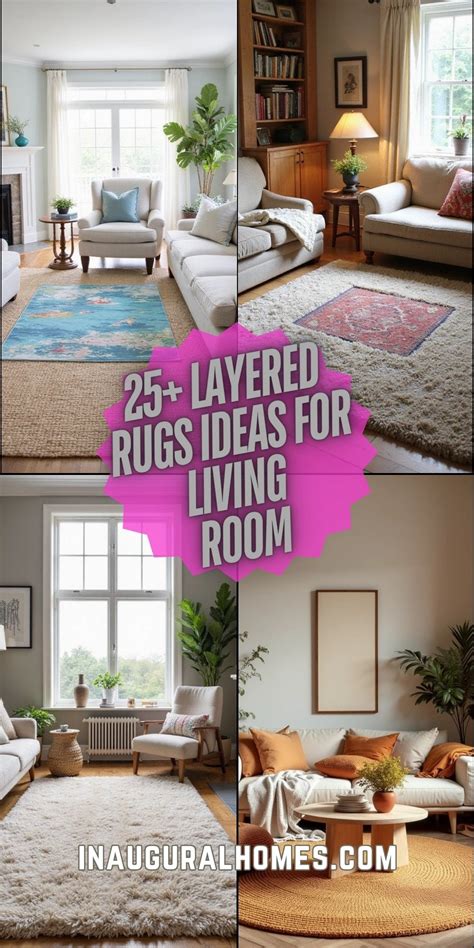
You can anchor your living room zone by placing a large area rug under your primary seating arrangement, physically and visually separating it from adjacent functional spaces. Additionally, positioning the back of a sofa toward the entryway or kitchen creates a subtle boundary without blocking light or obstructing conversation flow.
5. Embrace Renter-Friendly Cosmetic Upgrades
Renters often feel restricted by lease agreements that prohibit painting walls or making permanent architectural alterations. Fortunately, the market for high-quality, removable decor has expanded dramatically over recent years, offering endless ways to personalize your living room safely and temporarily.
Peel-and-stick accent wallpaper allows you to create a striking focal wall behind your sofa or media console without risking your security deposit. Similarly, removable vinyl stair decals, temporary window films, and damage-free hanging strips give you total creative freedom to express your aesthetic preferences safely and easily.
6. Choose a Cohesive, Light-Reflecting Color Palette
Color choice plays a fundamental role in determining how large or small a room feels to the human eye. Dark, saturated paint colors absorb light and can quickly make a compact living room feel claustrophobic, whereas a light, neutral color palette reflects illumination and visually pushes walls outward.
Consider painting your walls in soft shades of crisp white, warm cream, light beige, or pale greige to create an airy backdrop. You can then introduce personality and visual depth through colorful accent pillows, tactile throws, and vibrant artwork rather than overwhelming the structural envelope of the room.
7. Prioritize Scale and Low-Profile Seating
Oversized furniture pieces designed for sprawling suburban homes often overwhelm a modest apartment living room, leaving little room for comfortable navigation. Selecting apartment-sized sofas, loveseats, and low-profile chairs ensures your seating arrangement feels proportional to the room’s actual footprint.
Low-profile furniture keeps sightlines open across the entire room, making ceilings feel higher and spaces feel less congested. When arranging your seating, pull furniture slightly away from the walls rather than pressing every piece against the perimeter, which paradoxically can make a room feel smaller and less inviting.
8. Utilize Multi-Tiered and Nesting Tables
Traditional coffee tables often take up a fixed footprint that cannot be adjusted when you need extra floor space for workouts, hobbies, or entertaining. Nesting tables provide a flexible solution by allowing you to tuck smaller tables underneath a larger main table when not in use.
You can pull the nested tables out whenever you need extra surface area for drinks, books, or laptops, and slide them away just as easily. C-tables that slide neatly over the arm of a sofa are another excellent space-saving alternative, offering a sturdy surface without requiring a bulky standalone table.
9. Hang Curtains High and Wide
Window treatments have a dramatic impact on the perceived proportions of a compact living room. Hanging curtain rods just a few inches below the ceiling line—rather than directly above the window frame—draws the eye upward and exaggerates the vertical height of your room.
Furthermore, selecting wider curtain rods and sheer or lightweight fabrics allows curtains to sit mostly on the wall rather than covering the glass, maximizing the amount of natural daylight that enters the space while making your windows look significantly larger and more luxurious.
10. Keep Decor Curated and Intentional
In a small living room, clutter accumulates faster and looks more disruptive than it would in a larger home. Adopting a curated approach to decor means being highly intentional about every accessory, tray, plant, and piece of wall art you bring into the space.
Rather than scattering many small decorative objects across every surface, group items in odd numbers on trays or shelves, and leave some negative space to give the eye a place to rest. Regularly editing your belongings ensures that your compact living room remains a calm, functional retreat rather than a storage zone.
Frequently Asked Questions
How can I make a small apartment living room look bigger?
To make a compact living room feel more spacious, focus on maximizing natural light, using large mirrors to reflect light, choosing furniture with exposed legs to create an open feel, and keeping clutter neatly stashed away in multi-functional storage pieces.
What furniture works best in tiny U.S. apartments?
Modular sectionals, nesting tables, storage ottomans, and scaled-down loveseats or apartment-sized sofas work best. Pieces that offer hidden storage or can be easily reconfigured help maintain flexibility in tight layouts.
How do I decorate a small living room without making it cluttered?
Adopt a minimalist or curated approach by limiting decorative accessories to a few meaningful statement pieces. Utilize vertical wall storage to keep floor surfaces clear, and regularly assess items to ensure everything has a dedicated place.
What are renter-friendly ways to transform a living room?
Renters can dramatically transform their space using peel-and-stick wallpaper, large area rugs to define zones, damage-free picture hanging strips for artwork, and stylish floor lamps that avoid the need for permanent electrical work.