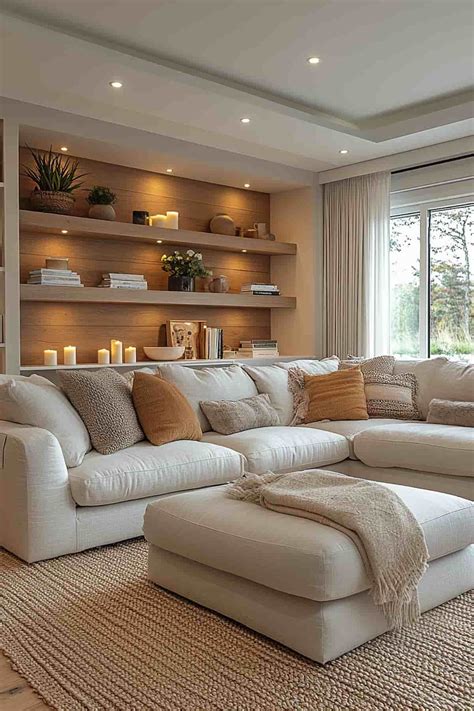
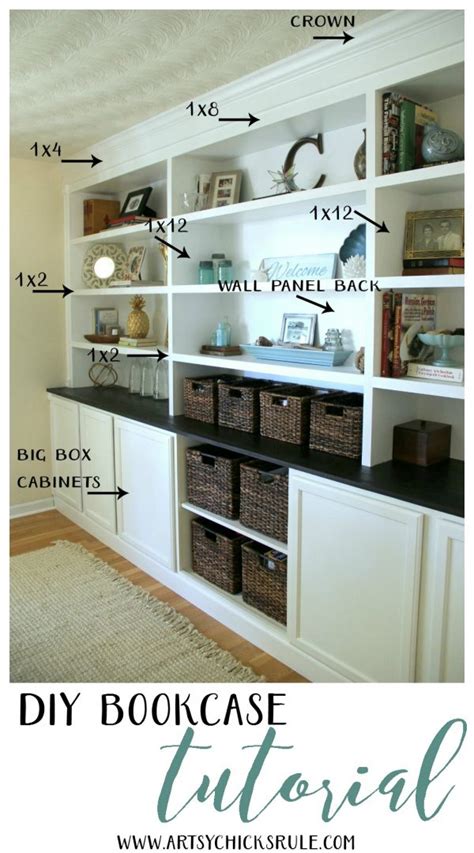
Finding storage solutions that complement your interior design while remaining functional can be a challenging endeavor. Ready-made furniture often falls short of exact dimensions or fails to match a specific aesthetic. Building your own storage provides complete control over scale, wood species, and finish. Across American homes, from suburban split-levels to urban apartments, customized shelving turns neglected vertical space into an eye-catching focal point.
This curated guide explores a comprehensive collection of 38 DIY shelf projects suited for various skill levels, architectural styles, and budget constraints. Whether you need heavy-duty timber for kitchen dishware or lightweight decorative ledges for a rented living room, understanding the foundational principles of lumber selection and wall anchoring ensures your handmade storage remains secure and stylish for years to come.
Understanding Wall Construction and Anchoring in American Homes
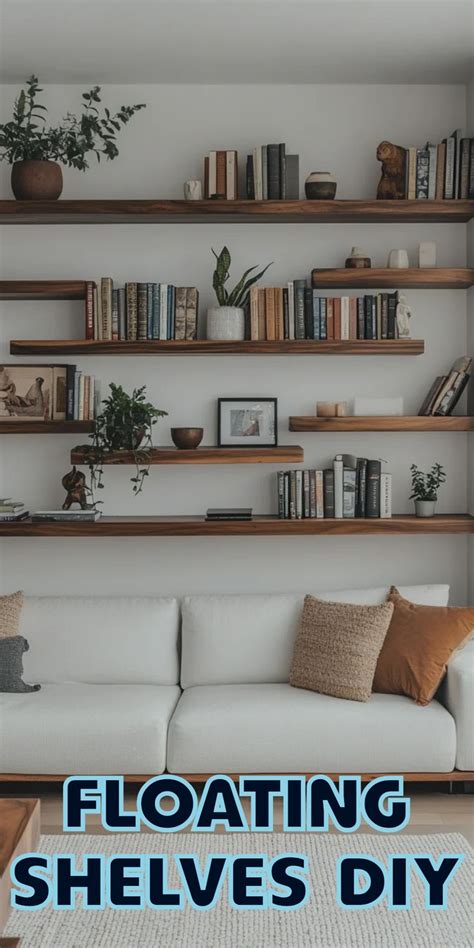
Before launching into any woodworking project, it is essential to understand the underlying structure of your walls. Standard American residential construction typically relies on wood or metal framing studs spaced sixteen or twenty-four inches apart, covered by drywall or plaster. Securing a shelf directly into a stud provides maximum load capacity, often supporting fifty pounds or more per bracket. However, studs do not always align with where you want your shelves positioned, requiring the use of specialized wall anchors.
When studs are unavailable, toggle bolts and heavy-duty drywall anchors offer reliable alternatives for moderate loads, whereas traditional plastic sleeve anchors should generally be avoided for shelves that will hold heavy books or kitchenware. Always use an electronic stud finder to locate framing members, and double-check your marks with a reliable spirit level. Taking these preparatory steps prevents sagging shelves and protects your drywall from unnecessary damage.
Rustic and Farmhouse Shelf Projects (1 to 10)
Rustic and farmhouse aesthetics continue to dominate interior design trends due to their warm, inviting character. Projects in this category frequently utilize dimensional lumber sourced from local home improvement centers, such as standard pine or cedar boards, distressed with simple household tools to mimic reclaimed barn wood. Key designs range from chunky corbel-supported mantels to simple wooden crates repurposed as modular wall cubbies.
To achieve an authentic farmhouse finish, start by applying a dark wood stain followed by a weathered gray or white wash layer. Lightly sanding the edges and corners reveals the darker wood underneath, creating a convincing vintage patina. Projects one through ten within this style group emphasize tactile textures and organic warmth, making them ideal companions for neutral living room walls and cozy dining spaces.
Projects Highlight
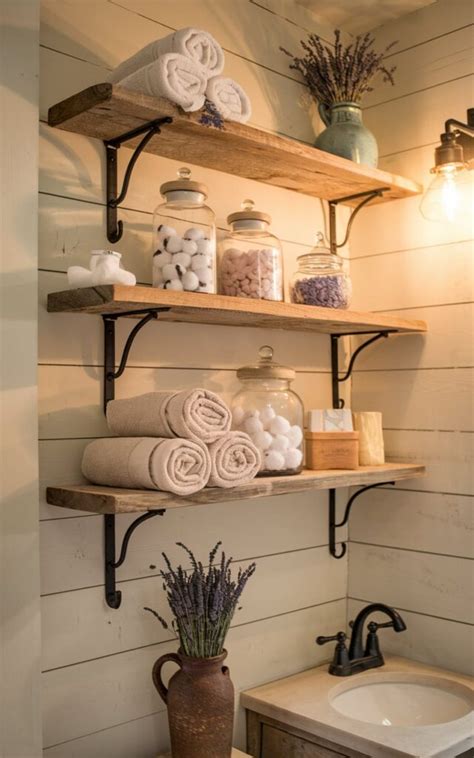
- Project 1: Thick-cut pine floating mantel with heavy iron corbels.
- Project 2: Reclaimed wood bracket shelves for kitchen spice storage.
- Project 3: Modular wooden crate wall grid for entryway drop zones.
When assembling rustic timber components, inspect each board for warping or excessive moisture before cutting. Standard dimensional lumber from commercial retailers often contains a higher moisture content, which can cause the wood to warp as it acclimates to indoor humidity. Allowing your boards to sit flat in your home for forty-eight hours prior to cutting and finishing minimizes this risk and ensures your handmade shelves fit snugly against the wall.
Modern Industrial and Minimalist Shelving (11 to 22)
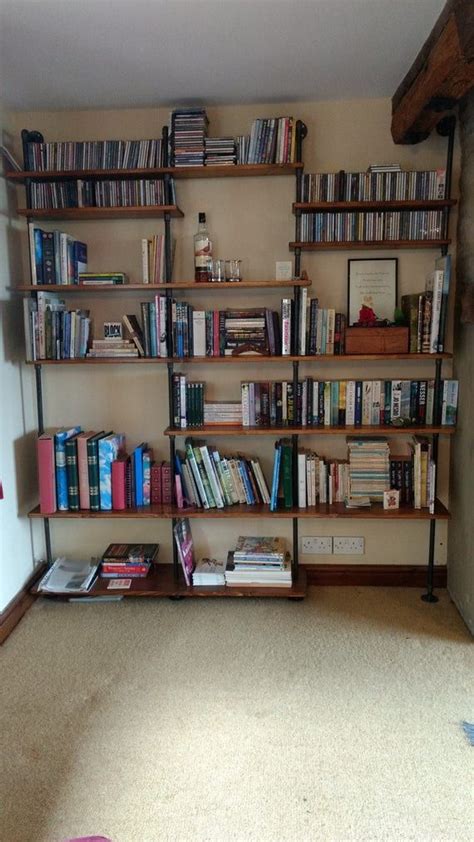
For loft apartments, contemporary urban dwellings, and modern minimalist interiors, sleek lines and mixed materials define the ideal storage solution. Projects eleven through twenty-two focus on pairing smooth hardwood panels—such as oak, walnut, or maple—with industrial elements like black iron pipe fittings, threaded steel rods, or minimalist steel brackets.
Industrial pipe shelving introduces architectural structure and metallic contrast against painted drywall. Standard black malleable iron pipes found in the plumbing aisle can be cleaned with denatured alcohol to remove protective factory oils, then sealed with a clear matte coat or spray-painted to match your room’s hardware. These sturdy frames easily support heavy book collections while maintaining an airy, unobstructed sightline across the room.
Projects Highlight
- Project 12: Floor-to-ceiling iron pipe and stained oak bookcase.
- Project 15: Minimalist brass bracket ledges for hallway photo displays.
- Project 20: Concrete-look cast composite floating shelves for modern dens.
Minimalist shelving relies heavily on precision during installation. Because visible hardware is either entirely concealed or deliberately stark, any minor leveling error becomes immediately apparent. Use a laser level to project a crisp horizontal line across your workspace, and double-check all measurements before drilling pilot holes into your wall framing.
Renter-Friendly and Budget-Conscious Hanging Storage (23 to 30)
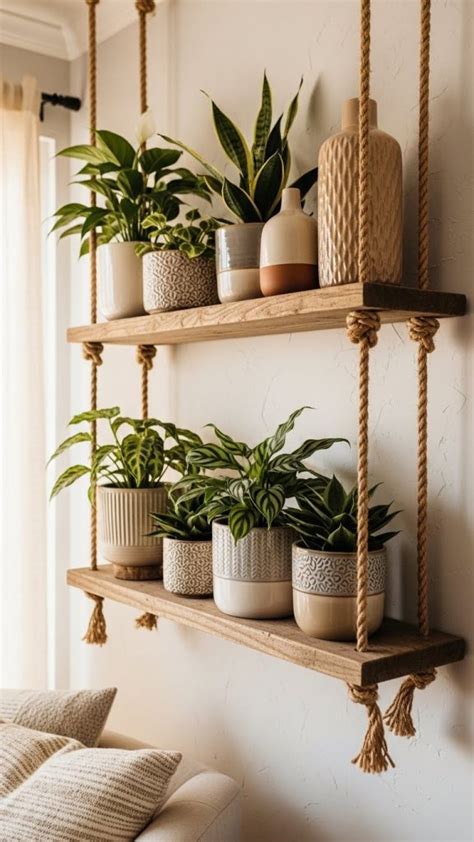
Renting a home often comes with strict lease restrictions regarding wall damage, making traditional heavy-duty shelving installations difficult. Projects twenty-three through thirty offer ingenious workarounds, utilizing tension rods, adhesive command hooks, over-the-door hanging systems, and minimalist leather straps suspended from a single picture hook.
Leather strap shelves are particularly popular for apartment dwellers because they require only one or two small anchor holes per bracket. By feeding a stained wooden board through loops of heavy-duty leather or heavy canvas webbing, you create a flexible, visually lightweight display surface for small houseplants, framed art, and lightweight decorative objects.
Projects Highlight
- Project 24: Leather strap hanging shelf for bedroom plant displays.
- Project 27: Tension-rod vertical wire basket shelving for apartment kitchens.
- Project 30: Removable adhesive ledge system for temporary gallery walls.
While renter-friendly solutions offer flexibility and easy removal upon moving out, always respect the manufacturer’s stated weight limits. Adhesive strips and lightweight hanging mechanisms are designed for decorative accents rather than heavy libraries. Keeping loads light ensures your temporary storage remains secure throughout your lease agreement.
Functional Kitchen and Bathroom Storage Ledges (31 to 38)
Kitchens and bathrooms demand storage solutions that are not only stylish but also resilient against moisture, steam, and frequent cleaning. Projects thirty-one through thirty-eight focus on durable finishes, waterproof sealants, and smart space-saving configurations designed for tight corners, narrow wall spaces, and above-toilet areas.
In high-moisture environments like bathrooms, selecting the right protective topcoat is critical. Polyurethane, spar varnish, or hardwax oil finishes protect the underlying wood from water rings and humidity warping. Adding a small front lip or dowel guard to kitchen spice ledges prevents glass jars and bottles from sliding off during everyday use.
Projects Highlight
- Project 32: Waterproofed cedar shower caddy ledge for bath essentials.
- Project 35: Deep-groove wooden plate rack and cup shelf combo.
- Project 38: Corner floating triangle shelves for compact powder rooms.
When installing wooden shelves near sinks or cooking ranges, leave a slight expansion gap if the wood abuts tile or cabinetry. Wood naturally expands and contracts with seasonal changes in temperature and humidity, and allowing room for this movement prevents cracking, buckling, or pulling away from wall fasteners over time.
Essential Styling Strategies for Finished Shelves
Once your DIY shelves are securely mounted, the final step involves styling them to look balanced, intentional, and uncluttered. Avoid the temptation to overcrowd every square inch with decor items. Instead, group objects in odd numbers—such as triplets—and vary the heights and textures of your items by combining vertical books, ceramic vases, woven baskets, and trailing houseplants.
Incorporate negative space to give the eye a place to rest, ensuring the natural beauty of your handmade woodwork remains a focal point. Step back frequently during the styling process to assess the overall composition from across the room, adjusting placements until the arrangement feels harmonious and aligned with your personal design aesthetic.
Frequently Asked Questions
What kind of DIY shelves are best for renters who cannot drill large holes in walls?
Renters benefit most from leather strap shelves hung from single picture hooks, tension-rod systems, or removable adhesive-backed ledges that minimize wall damage and patch easily upon moving out.
What materials and tools do I need to build sturdy floating shelves?
Building standard floating shelves typically requires dimensional lumber or hollow box construction materials, a sturdy internal wooden cleat system, wood glue, a drill, a stud finder, a spirit level, and appropriate wall anchors.
How can I style my newly built shelves to look professional and uncluttered?
Achieve a professional look by grouping items in odd numbers, varying object heights and textures, and intentionally leaving negative space rather than filling every inch of shelf surface.
How much weight can different types of wall anchors hold?
Direct stud mounting supports fifty pounds or more per bracket. High-quality toggle bolts and heavy-duty drywall anchors can support moderate loads between twenty to forty pounds, while plastic sleeve anchors are best reserved for very lightweight decorative items.