Investing in a leather reclining sofa transforms a standard living room into a comfortable sanctuary for movie nights, family gatherings, and quiet relaxation. However, navigating the vast array of options available in the U.S. market requires balancing distinct design priorities. Homeowners must weigh tactile leather qualities against heavy mechanical frames, ensuring the furniture complements existing interior layouts while withstanding daily wear and tear.
A successful purchase starts with understanding that not all leather and reclining systems are created equal. By examining material grades, motor types, and spatial requirements before making a final commitment, buyers can avoid common pitfalls such as peeling surfaces or mechanisms that jam against living room walls. This guide explores the essential decision criteria needed to find a reliable, aesthetically pleasing centerpiece for your home.
Understanding Leather Grades and Longevity
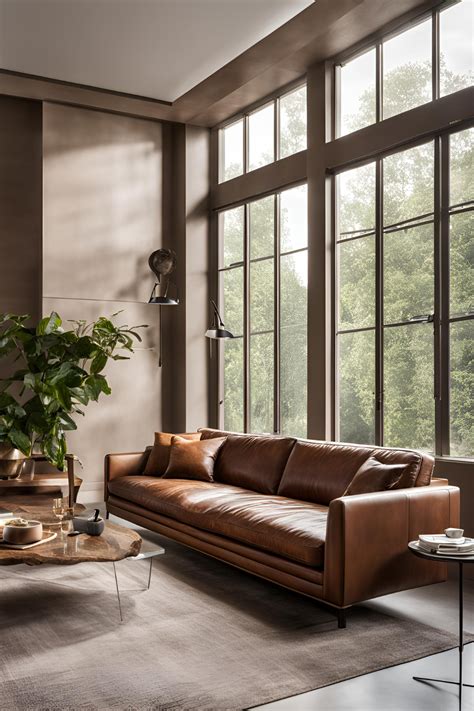
The longevity and tactile appeal of any leather sofa depend heavily on the grade of hide used during manufacturing. Full-grain and top-grain leathers represent the highest tiers of quality, retaining natural hide markings while offering exceptional breathability and durability. Over time, top-grain leather develops a rich patina, softening comfortably with age without losing structural integrity. This makes it an ideal choice for households seeking a luxurious, long-lasting investment that adapts gracefully to changing seasons and room temperatures.
Conversely, budget-friendly alternatives such as split leather, bonded leather, or polyurethane blends often mimic the look of genuine hides at a fraction of the cost, but they come with significant trade-offs. Bonded leather relies on leftover hide scraps pulverized and bonded to a fabric backing, making it prone to peeling and cracking after a few years of regular friction from reclining mechanisms. When shopping for U.S. homes, prioritizing genuine top-grain options ensures better resistance against everyday usage, pets, and localized temperature shifts.
Evaluating Frame Construction and Mechanism Durability
While the leather upholstery defines the visual and tactile appeal, the internal frame and reclining hardware dictate how long the sofa remains functional. High-quality frames are typically built using kiln-dried hardwood or engineered steel, providing the structural rigidity needed to support heavy reclining mechanisms without warping. Cheaper frames constructed from unseasoned softwoods or particleboard may squeak, sag, or pull apart under the repeated stress of shifting weight.
Shoppers must also examine the warranty provided on the reclining mechanism itself, as steel springs and motors endure substantial physical loads. A robust mechanism operates smoothly without abrupt jerks or grinding noises, maintaining consistent tension whether you sit upright or recline fully. Checking whether the manufacturer uses sinuous steel springs or pocketed coil seating systems adds another layer of assurance regarding long-term comfort and sag prevention.
Power Versus Manual Reclining Systems
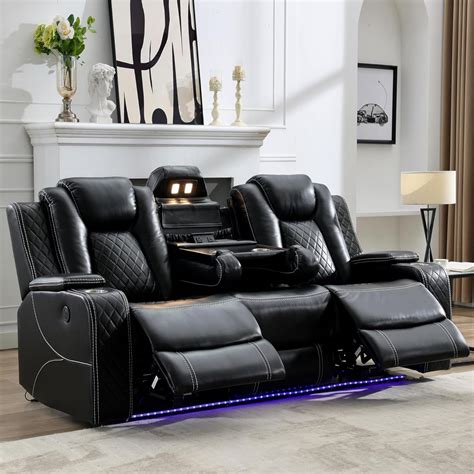
Choosing between manual and power reclining mechanisms involves balancing upfront cost, spatial convenience, and daily ease of use. Manual recliners rely on a pull handle or a body-pressure latch, offering a straightforward, cord-free design that can be positioned anywhere in a room without worrying about electrical outlets. They appeal to homeowners who prefer a minimalist aesthetic free of visible wires and who appreciate the mechanical simplicity of a pull-lever system.
Power reclining sofas, on the other hand, utilize quiet electric motors controlled by discreet buttons embedded into the armrest or side cushion. These systems allow for infinite reclining angles, letting users stop the footrest and headrest at precise, customized ergonomic positions. While power models require proximity to a wall outlet and generally carry a higher price tag, their smooth, effortless operation provides superior comfort for individuals managing joint stiffness or back discomfort.
Space Planning and Wall-Hugger Designs
Integrating a reclining sofa into a standard U.S. living room or apartment layout requires careful attention to spatial dimensions and clearance. Traditional recliners demand several feet of clearance behind the backrest to recline fully, which can awkwardize room flow and force furniture away from walls. To solve this challenge, many manufacturers offer wall-hugger mechanisms that slide forward on a track as they recline, requiring only a few inches of rear clearance.
Before purchasing, measure not only your floor space but also your home’s entryways, stairwells, and hallways to ensure delivery crews can maneuver the heavy crated furniture inside. Reclining sofas are notoriously bulky and heavy due to their internal steel frames, so checking sectional dimensions and removable back components can save you from delivery complications.
Maintenance and Care Essentials for Leather Recliners
Proper maintenance ensures that a leather reclining sofa retains its supple texture and rich color for decades. Routine upkeep is straightforward, starting with weekly dusting using a soft, dry microfiber cloth to prevent dirt particles from settling into the natural grain or scratching the finish. Vacuuming crevices periodically helps eliminate crumbs and debris that might otherwise interfere with moving metal parts under the seat cushions.
Conditioning is another vital step, especially in climate-controlled American homes where central heating and air conditioning can dry out natural hides. Applying a specialized leather conditioner every six to twelve months replenishes essential natural oils, preventing premature stiffening or cracking along high-friction seating areas. Avoid using harsh household detergents, abrasive scrubbers, or universal all-purpose sprays, as these chemicals strip away protective topcoats and permanently ruin the leather’s appearance.
Frequently Asked Questions
What is the difference between top-grain and bonded leather for a recliner?
Top-grain leather is made from the outermost layer of the hide, offering superior durability, breathability, and a natural feel that improves with age. Bonded leather consists of shredded leather scraps bonded together with polyurethane on a fabric backing, making it much weaker, less breathable, and prone to peeling over time.
How much space do wall-hugger reclining sofas require?
Wall-hugger reclining sofas are specifically engineered to slide forward on a track as they recline, typically requiring only 3 to 6 inches of clearance between the back of the sofa and the wall, making them ideal for smaller living rooms or apartments.
Are power reclining sofas worth the extra cost over manual ones?
Power reclining sofas are generally worth the investment if you value precise, infinite positioning, effortless operation, and built-in features like adjustable headrests or USB charging ports. Manual models are better suited for minimalist spaces without convenient wall outlets or for those preferring simpler mechanical components.
How do I clean and maintain a leather reclining sofa?
Maintain your leather recliner by dusting weekly with a microfiber cloth, vacuuming crevices to remove debris, and applying a specialized leather conditioner semi-annually to prevent drying and cracking. Always test cleaning products on a hidden spot first and avoid harsh chemical solvents.