Finding the ideal seating arrangement for an American living room or apartment involves much more than simply picking a color that matches your walls. When evaluating a reclining sofa or loveseat, physical dimensions, mechanical operations, and daily household traffic patterns dictate whether your investment brings lasting relaxation or persistent frustration. U.S. homes span a wide architectural spectrum, ranging from expansive suburban open-concept layouts to historic urban apartments featuring narrow entryways and tight spatial footprints.
Successfully navigating the market requires a clear understanding of how these substantial pieces of furniture interact with your floor plan. By examining how different configurations, mechanisms, and materials perform in real residential environments, you can make an informed choice that maximizes both your available square footage and your long-term comfort.
Reclining Sofas vs. Reclining Loveseats: Sizing for Your Room
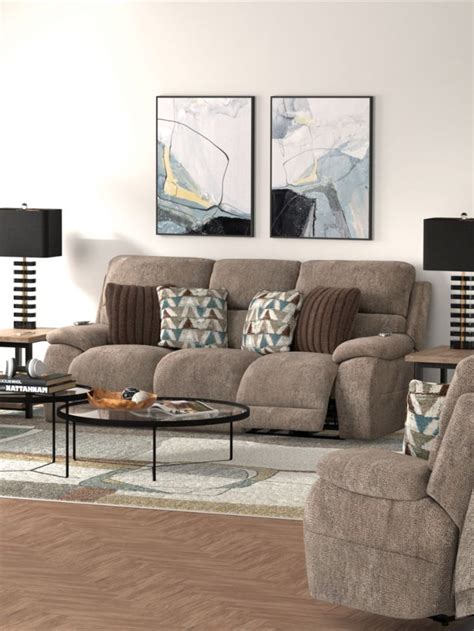
Choosing between a full-sized reclining sofa and a compact reclining loveseat depends heavily on your room’s dimensions and the number of people who regularly use the space. A standard three-cushion reclining sofa typically measures between 80 and 90 inches in width, offering ample seating for family movie nights or hosting guests. However, this generous scale demands considerable wall space and can quickly overwhelm a modest urban living room, leaving little room for auxiliary items like end tables or floor lamps.
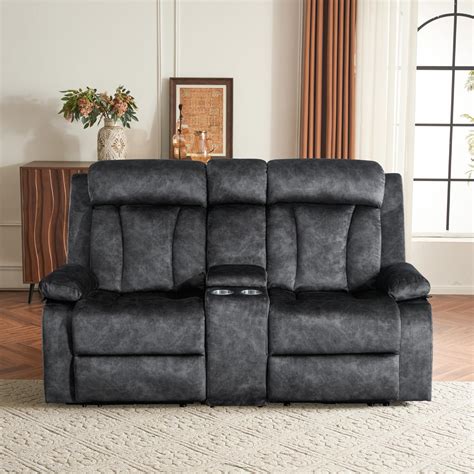
Conversely, a reclining loveseat usually spans between 55 and 70 inches, making it a stellar option for apartments, dens, or finished basements where space is at a premium. Many modern loveseats incorporate a central console equipped with storage compartments and integrated cup holders, serving a dual purpose as both a seating unit and a functional mini-entertainment hub. When evaluating these two options, map out the entire footprint of the furniture using painter’s tape on your floor to visualize how traffic flows around the piece when it is fully extended.
Mastering Measurements: Wall Clearance and Apartment Layouts
One of the most frequent mistakes shoppers make when buying a reclining sofa or loveseat is measuring only the static footprint of the furniture while it sits upright. Traditional reclining mechanisms push the entire back frame backward as the footrest elevates, meaning the sofa requires anywhere from 10 to 15 inches of open space behind it to recline fully without damaging drywall or scraping baseboards.
For smaller apartments or rooms where furniture must sit flush against a perimeter wall, wall-hugger reclining designs offer a brilliant engineering solution. Wall-huggers slide forward on a curved track as they recline, requiring mere inches of clearance behind the backrest. This design preserves valuable floor space in the center of the room while delivering the exact same ergonomic recline angle found in bulkier models.
Power Recliners vs. Manual Mechanisms: Convenience and Durability
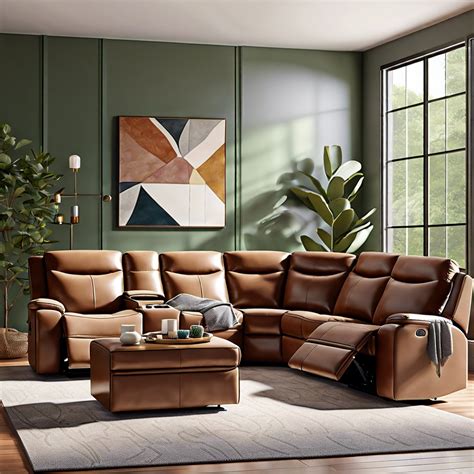
The debate between manual pull-handle mechanisms and smooth power motors comes down to a balance of daily convenience, physical effort, and long-term mechanical reliability. Manual recliners rely on a spring-loaded latch or pull-tab system. They are generally more budget-friendly, immune to power outages, and simpler to repair since they contain no electronic components or wiring harnesses.
On the other hand, power recliners utilize quiet electric motors controlled by discreet side buttons or touch panels. These systems allow for infinite, micro-adjustable reclining positions, enabling you to stop the footrest and headrest at any exact angle that suits your posture. When shopping for power furniture, look for models that include a battery backup pack, ensuring you can return the sofa to an upright position if your home experiences a temporary power failure.
Selecting Upholstery for Real-World American Households
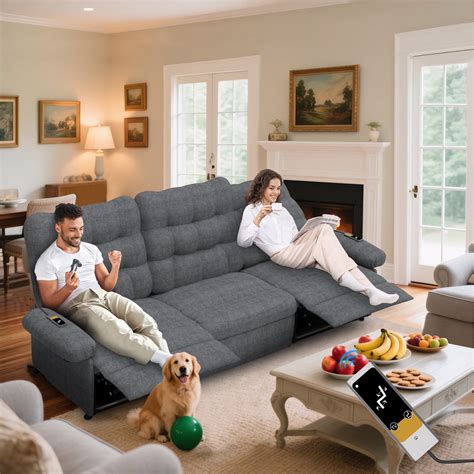
Household dynamics—including children, pets, and everyday entertaining—should heavily influence the fabric or leather you select for your new reclining furniture. High-traffic living rooms benefit tremendously from performance fabrics treated with moisture-repellent finishes, which resist stains from spilled beverages and prevent pet hair from embedding deeply into the weave.
Top-grain and bonded leathers offer a sophisticated aesthetic and wipe clean effortlessly with a damp cloth, though genuine leather requires periodic conditioning to prevent cracking in dry indoor climates. Microfiber is another enduring favorite for reclining furniture, combining a soft, velvety hand-feel with remarkable durability and resistance to scratching from cats or dogs. Always request fabric swatches from retailers to test how the material looks under your home’s specific lighting conditions before committing to a final purchase.
Frequently Asked Questions
How much wall clearance does a standard reclining sofa need compared to a wall-hugger?
A standard reclining sofa typically requires 10 to 15 inches of clearance between the back of the sofa and the wall to fully extend without obstruction. In contrast, a wall-hugger reclining sofa slides forward on its track as it reclines, needing only 3 to 5 inches of space behind it, making it ideal for tighter floor plans.
Which is better for a small apartment: a reclining loveseat or a compact reclining sofa?
For most small apartments, a reclining loveseat is the safer and more practical choice. It provides comfortable seating for two people while leaving enough surrounding floor space for walking paths, coffee tables, and other essential furniture without making the room feel cramped.
How can I ensure a reclining sofa fits through narrow apartment hallways and doorways?
Before purchasing, measure your building’s entryways, elevator doors, interior hallways, and the main living room doorway. Many reclining sofas feature removable backs that detach easily, significantly reducing the height and depth of the piece during transport and allowing it to navigate tight corners and narrow doors with ease.
What are the maintenance differences between manual and power reclining mechanisms?
Manual recliners require virtually no maintenance beyond occasional lubrication of moving joints, relying on mechanical springs and latches. Power recliners require access to an electrical outlet and depend on internal motors and switches, meaning you should check warranty coverage for electrical components to ensure long-term peace of mind.