Apartment living often comes with distinct spatial constraints, neutral rental-white walls, and harsh overhead lighting that can easily make a room feel sterile rather than comforting. Transforming that footprint into a sanctuary requires a strategic focus on sensory elements that soften hard architectural lines. Whether you are dealing with a compact studio or a standard suburban apartment, cultivating a warm and welcoming vibe is entirely achievable without breaking your lease or investing in a costly renovation.
Creating a truly inviting space goes beyond simply filling empty corners; it is about curating an atmosphere that feels intentional, grounded, and deeply personal. By focusing on tactile layers, intentional illumination, and thoughtful spatial flow, you can completely shift the energy of your living area. Here are the core interior design strategies you need to master to turn your apartment living room into a cozy retreat.
Layering Tactile Textures to Build Visual Depth
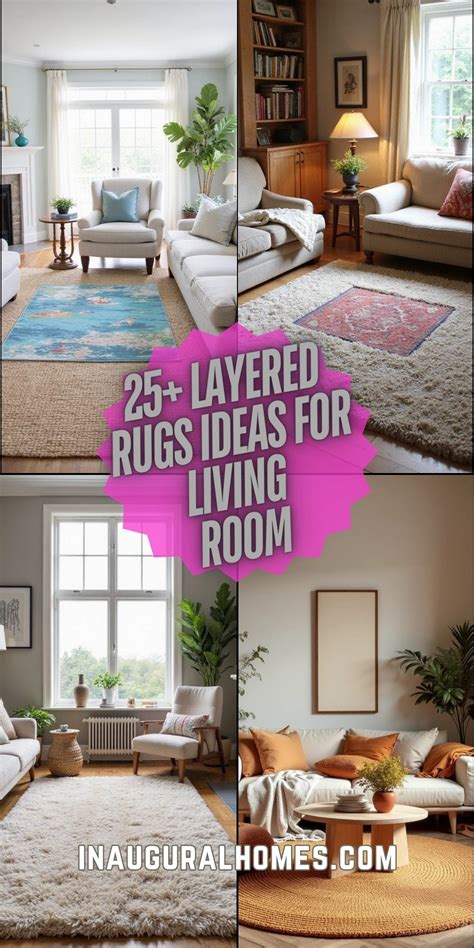
When a room lacks architectural character—such as crown molding, built-in shelving, or hardwood floors—you must introduce warmth through tactile surfaces. Layering different fabrics and materials is the single most effective way to eliminate visual flatness and make a space feel lived-in and comfortable. Combine smooth elements with rough, heavy weaves to create a dynamic interplay that draws the eye and encourages relaxation.
Start from the ground up with a plush area rug placed over standard wall-to-wall carpet or cold laminate flooring. From there, introduce mid-weight textiles like linen or velvet throw pillow covers, chunky knit blankets, and woven wall hangings. The trick is to avoid matching everything too perfectly; a mixture of boucle, leather, earthenware, and polished metal creates a sophisticated, collected-over-time aesthetic that immediately softens a boxy apartment layout.
Mastering Ambient Lighting to Banish Harsh Overhead Fixtures
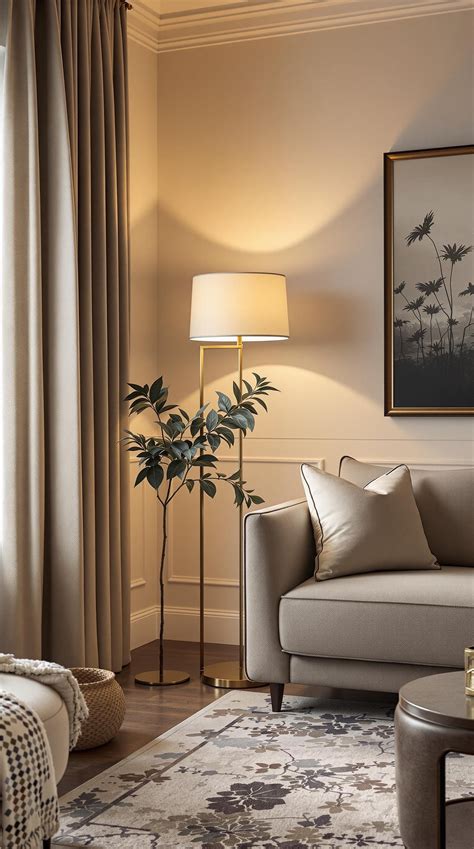
Nothing kills the coziness of an apartment living room faster than a glaring, single-source overhead ceiling fixture. To cultivate an inviting evening atmosphere, rely instead on a layered lighting plan distributed across multiple heights. Introduce floor lamps with warm-toned bulbs, sculptural table lamps on sideboards, and wall-mounted sconces that plug into standard outlets to avoid hardwiring requirements.
When selecting lightbulbs, look for color temperatures between 2400K and 2700K to emit a soft, golden glow reminiscent of traditional incandescent lighting. Incorporating dimmers or smart bulbs also allows you to adjust the luminosity based on the time of day and your intended activity, transitioning the room from an energetic daytime workspace into a serene, mood-lit evening sanctuary.
Arranging Furniture for Conversation and Flow
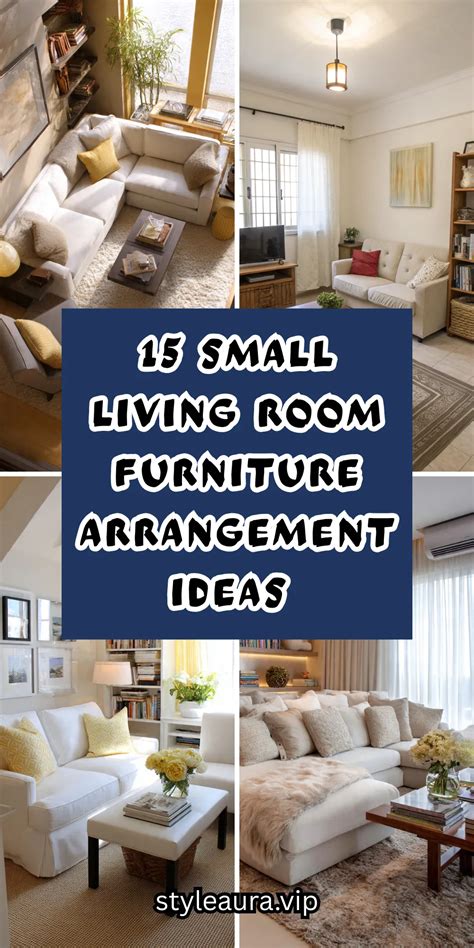
In smaller apartment footprints, the temptation is often to push every single piece of furniture directly against the perimeter walls to maximize open floor space. Ironically, this layout frequently makes a room feel clinical and disconnected. Instead, float your seating arrangement slightly away from the walls, even if it is just a few inches, to create a more intimate and breathable conversational zone.
Anchor your primary seating—such as a compact sofa or a pair of comfortable armchairs—around a central coffee table or a soft ottoman. Ensure that pathways through the room remain unobstructed so movement feels natural. If your living room doubles as a home office or dining area, use low-profile room dividers, area rugs, or open bookcases to gently zone each function without visually shrinking the space.
Infusing Nature and Organic Elements
Urban apartments can sometimes feel disconnected from the outside world, making the introduction of organic materials a vital component of a welcoming interior. Wood tones, raw ceramics, stone accents, and living greenery help break up manufactured surfaces like drywall and synthetic flooring. These natural elements introduce subtle color variations and organic shapes that instantly make a room feel grounded.
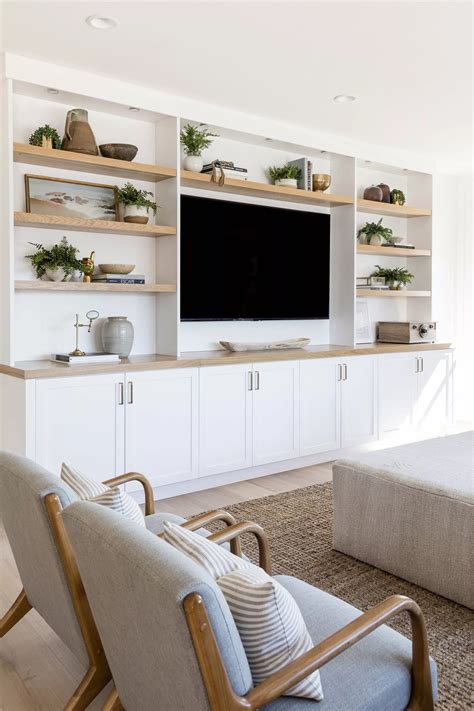
Bring in houseplants that thrive in typical indoor apartment conditions, such as snake plants, pothos, or fiddle-leaf figs, and house them in terracotta or ceramic pots. If you have limited floor space, utilize vertical shelving, hanging planters, or plant stands that tuck neatly beside a window. Complement these greens with wooden coffee tables, woven baskets for storage, or a stone tray on your media console to complete the organic palette.
Curating Personal Details and Meaningful Decor
A living room should tell the story of the people who inhabit it, rather than resembling a furniture showroom catalog. Curating personal items is what separates a generic design concept from a genuinely welcoming home. However, in a rental apartment, hammering dozens of nails into the walls is rarely an option, requiring creative alternatives for displaying your favorite pieces.
Utilize heavy-duty adhesive strips or picture-hanging ledges to display framed art, vintage prints, and photography without causing permanent wall damage. Layer in items gathered from travels, inherited heirlooms, stacks of your favorite books, and sculptural candles. By surrounding yourself with objects that hold personal resonance, you create a layer of emotional warmth that synthetic decor simply cannot replicate.
Frequently Asked Questions
How can I make my rental apartment living room feel warm without making permanent changes?
You can dramatically increase warmth through non-permanent additions like layering large area rugs, using plug-in wall sconces and table lamps for warm lighting, hanging art with damage-free adhesive strips, and adding plush textiles such as throw blankets and velvet cushions.
What is the best lighting temperature for a cozy living room?
Look for LED bulbs with a warm white color temperature between 2400K and 2700K. This range produces a golden, inviting glow that mimics traditional incandescent lighting and avoids the clinical blue tones of cool white bulbs.
How do I arrange furniture in a small apartment living room?
Avoid pushing all your furniture against the walls. Pulling your sofa and chairs slightly inward creates a more intimate conversation area, improves room flow, and makes the space feel larger and more intentional.
What materials work best to add warmth to a sterile apartment?
Incorporate natural wood furniture, woven rattan baskets, ceramic or terracotta plant pots, and mixed textile fabrics like boucle, wool, and linen to break up the monotony of drywall and synthetic flooring.