Designing a small apartment living room often feels like solving a complex spatial puzzle. When square footage is limited, every single inch needs to earn its keep, yet you also want the space to feel welcoming, relaxed, and deeply personal. The concept of cozy charm is about striking that delicate balance between efficient spatial planning and tactile comfort. Instead of letting cramped quarters dictate a sterile, minimalist look, you can harness smart design choices that trick the eye into seeing more space while wrapping the room in warmth.
Whether you are renting a compact urban studio or settling into a suburban apartment with restricted square footage, transforming your main gathering area does not require a major structural overhaul. By focusing on intentional furniture layouts, multi-functional pieces, layered lighting, and renter-friendly styling, you can cultivate an environment that feels expansive rather than confined, stylish rather than cluttered.
Mastering the Small Space Layout
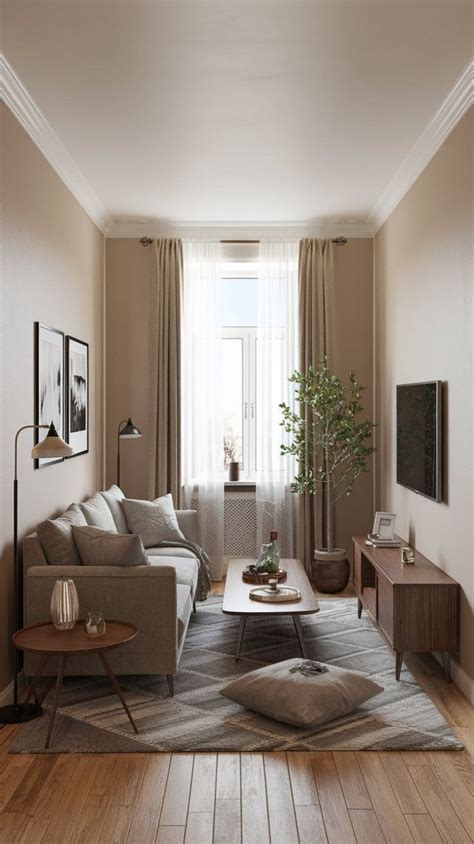
The foundation of any successful small living room design is how you arrange your furniture. A common mistake in compact apartments is pushing every piece of furniture directly against the walls, creating a hollow center that actually emphasizes the room’s small footprint. Instead, pulling seating slightly inward can create an intimate conversation area and improve overall traffic flow.
When selecting furniture for a small apartment living room, scale is everything. Oversized sectional sofas or heavy armchairs will quickly overwhelm the visual field, making the entire apartment feel heavy and restrictive. Look for apartment-sized sofas with exposed legs, which allow light to pass underneath and create an airy illusion of floor space. Pairing a slim-profile sofa with nesting coffee tables provides flexibility, allowing you to tuck surfaces away when you need open floor space for daily movement.
Choosing Multi-Functional Furniture
Multi-functional furniture is a cornerstone of intelligent small space living. Items that serve double duty eliminate the need for standalone storage pieces that clutter a room. Consider a storage ottoman that functions as a coffee table, footrest, and hidden repository for extra throw blankets and pillows. Similarly, a media console with sliding cabinet doors can conceal electronics while providing a clean surface for decorative styling.
When purchasing these pieces, pay careful attention to proportions and materials. Opt for lighter wood tones or upholstered pieces in neutral fabrics that blend seamlessly with your walls. This minimizes visual clutter and prevents the room from feeling crowded by heavy blocks of color or bulky silhouettes.
Layering Lighting and Textures for Maximum Coziness
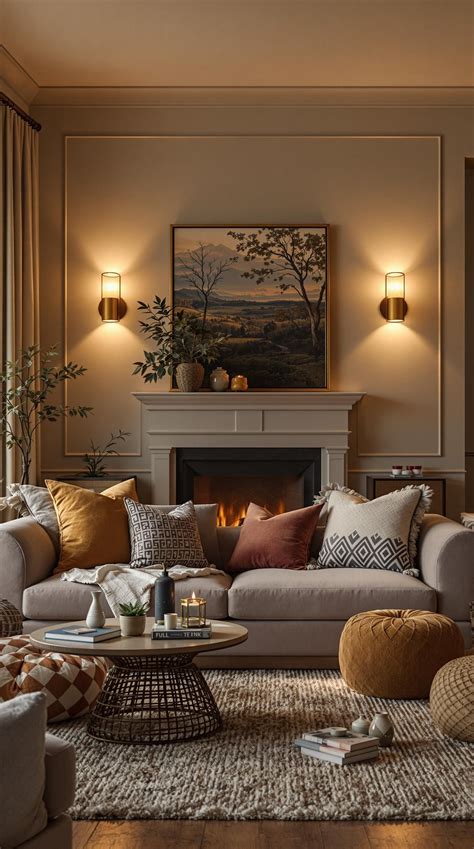
Lighting plays a monumental role in shaping the atmosphere of a small room. Relying solely on harsh overhead lighting can make a compact apartment living room feel sterile and stark. To cultivate cozy charm, introduce a layered lighting scheme that incorporates multiple sources at different heights, such as floor lamps, dimmable table lamps, and wall-mounted sconces.
Warm color temperatures—typically between 2700K and 3000K—are essential for creating an inviting ambiance. By placing light sources in dark corners, you visually expand the boundaries of the room, drawing the eye outward and eliminating shadows that make spaces feel smaller. Dimmers are also an invaluable addition, allowing you to instantly shift the mood from bright and functional during the day to soft and intimate at night.
Introducing Tactile Textures
Cozy charm is fundamentally a sensory experience. In a small room where architectural details might be basic or lacking, textures do the heavy lifting to add depth and character. Combine soft chunky-knit throw blankets, linen or velvet accent pillows, and woven jute or wool rugs to create a rich tactile landscape.
Do not be afraid to mix materials. Pairing a smooth glass-top side table with a rugged leather chair or a rustic wooden tray introduces interesting contrast without taking up extra physical space. These layered elements invite touch and instantly make a standardized apartment interior feel curated and lived-in.
Leveraging Vertical Space and Smart Storage
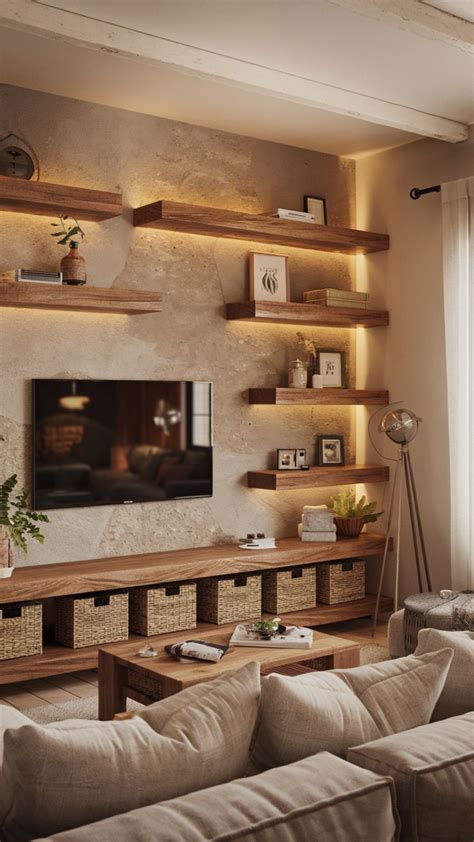
When horizontal floor space is at an absolute premium, your walls become your best design asset. Utilizing vertical space draws the eye upward, emphasizing ceiling height and making the room feel grander than its footprint suggests. Floor-to-ceiling shelving units or floating wall shelves provide ample storage and display areas for books, plants, and personal mementos without crowding the floor.
However, maintaining visual balance is crucial when styling vertical storage. Avoid packing shelves completely full of items, which can create a chaotic look. Leave intentional breathing room by incorporating negative space, stacking some books horizontally and others vertically, and interspersing decorative objects with practical storage baskets.
Renter-Friendly Upgrades for Instant Personality
Renters often struggle to infuse charm into living rooms due to strict lease restrictions regarding paint, hardware, and permanent fixtures. Fortunately, there are plenty of temporary, non-permanent solutions that deliver high design impact. Peel-and-stick wallpaper applied to a single accent wall or the back of a bookshelf can introduce pattern and rich color instantly.
Swapping out standard builder-grade light fixtures or cabinet pulls with unique hardware is another simple, reversible upgrade that elevates the entire space. When you move out, simply reinstall the original pieces. Adding large-scale artwork or leaning a tall floor mirror against the wall also bounces natural light around the room while injecting personal style, ensuring your apartment feels uniquely yours from day one.
Frequently Asked Questions
How do I arrange furniture in a tiny living room without blocking pathways?
Start by pulling your main seating pieces slightly away from the walls to create a cohesive conversation zone. Choose scaled-down furniture with exposed legs to maintain open sightlines, and ensure there is at least a clear 30-inch pathway for walking through the space comfortably.
What lighting techniques make a small apartment feel warmer and larger?
Avoid relying only on harsh central overhead fixtures. Instead, layer your lighting by using floor lamps, table lamps, and wall sconces equipped with warm bulbs (2700K–3000K). Illuminating dark corners visually expands the room’s boundaries and creates an inviting glow.
How can I add personality and cozy charm as a renter?
Focus on non-permanent upgrades such as peel-and-stick accent wallpaper, removable wall decals, plug-in wall sconces, and rich textile layering through rugs, curtains, and throw pillows. Leaning large mirrors against walls also adds depth without requiring hardware.
What are the best multi-functional furniture pieces for small spaces?
Storage ottomans, nesting coffee tables, console desks that double as dining tables, and media units with hidden cabinets are exceptional choices. These pieces minimize clutter by keeping daily essentials neatly tucked away.