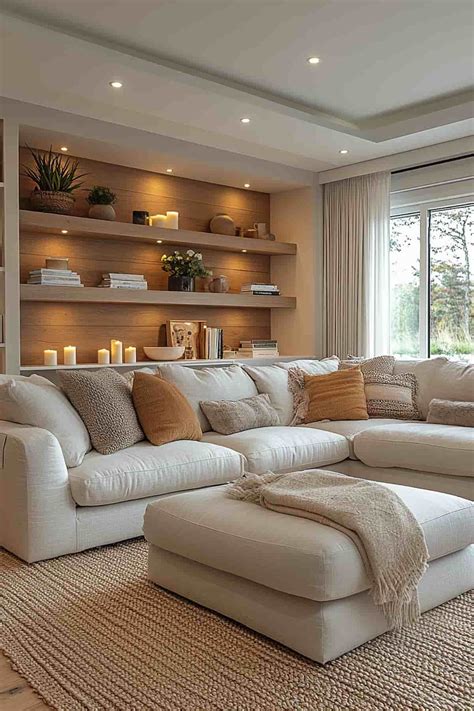
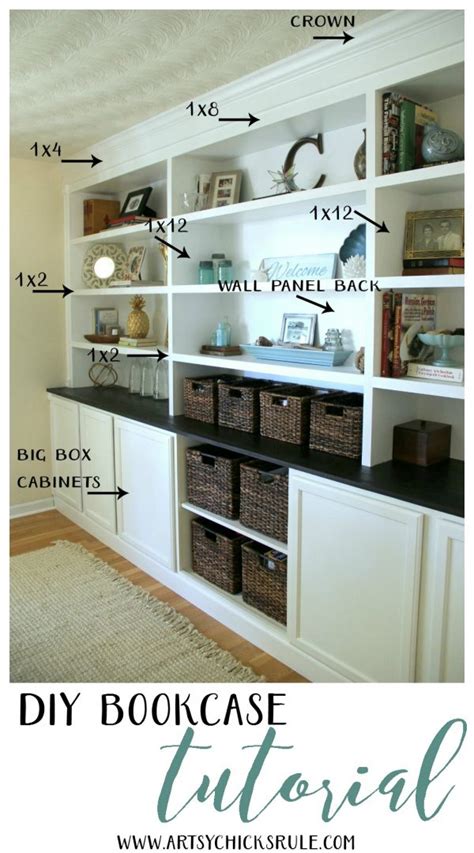
Entering a living room should feel like an exhale after a long day. Yet, in many American households, living spaces easily accumulate mail, electronics, throw blankets, and children’s toys, turning a room meant for relaxation into a source of visual stress. Embracing minimalism in a U.S. home does not mean living in a sterile, uncomfortable white box devoid of personality. Instead, it is about intentional curation—retaining only what serves a purpose or brings genuine joy, and giving those elements room to breathe.
Creating a calm minimalist haven requires balancing clean architectural lines with the soft, inviting textures necessary for everyday family life. Whether you live in a compact urban apartment or a sprawling suburban house, these fourteen practical minimalist living room ideas offer a realistic roadmap to achieving a serene, clutter-free environment that accommodates modern American lifestyles.
1. Start with a Complete Visual Reset
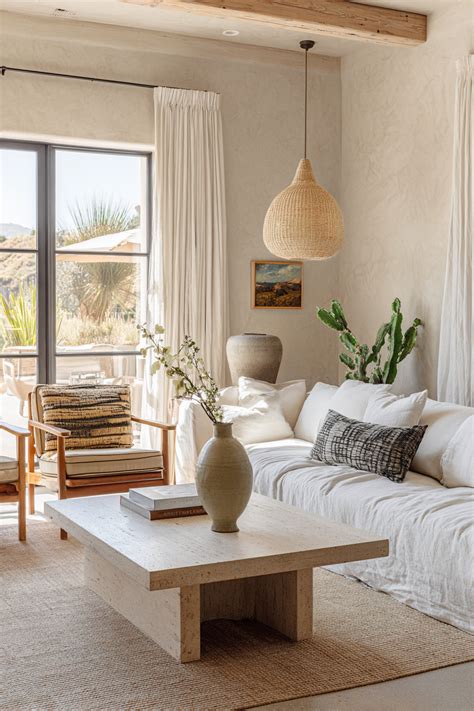
Before bringing any new design elements into your living room, clear out everything that does not belong. Take stock of bulky accent furniture, excessive knick-knacks, and mismatched decor items that crowd your horizontal surfaces. A thorough decluttering session allows you to see the true proportions of your room, revealing architectural features like large windows or hardwood flooring that may have been hidden under years of accumulated belongings.
This initial editing process establishes a clean slate for your minimalist journey. Focus on keeping surfaces like coffee tables and media consoles mostly bare, leaving only one or two meaningful items on display. By removing visual noise, you immediately lower the stress levels associated with a cluttered environment, transforming the psychological atmosphere of the entire home.
2. Establish a Soft, Grounding Neutral Palette
Color choice heavily dictates the emotional temperature of a living room. Opt for a restrained palette rooted in soft warm whites, gentle greiges, muted stone, or earthy taupes. These shades bounce natural sunlight around the room, making standard suburban living areas feel expansive and airy while creating a peaceful visual backdrop.
Avoid stark, hospital-grade whites which can feel cold and uninviting, especially during overcast winter months common in many parts of the United States. Instead, select warm undertones that invite relaxation. You can layer subtle tonal variations through your walls, upholstery, and area rugs to build depth without introducing distracting color contrasts.
3. Choose Low-Profile, Streamlined Seating
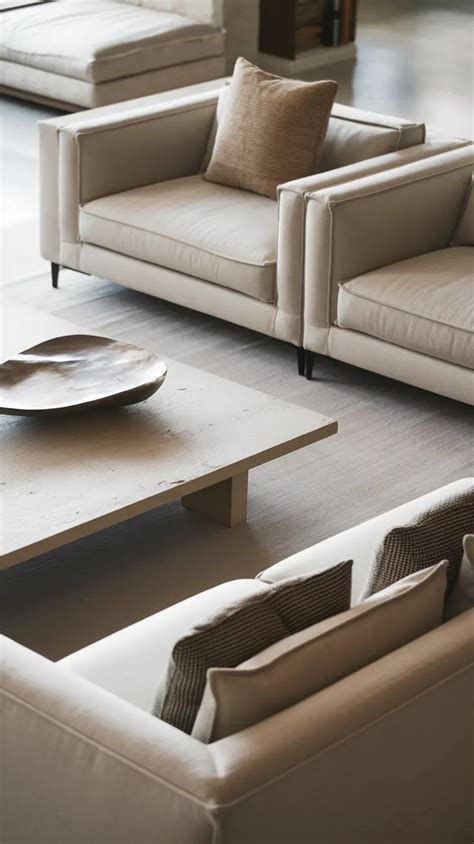
Furniture scale dictates how large or small a room feels. Replace heavy, overstuffed recliners and ornate sectional sofas with low-profile seating options that feature clean lines and exposed wooden or metal legs. Sofas with slim track arms and supportive yet firm cushions maximize seating capacity without visually dominating the floor plan.
Consider how your seating arrangement facilitates natural conversation and movement. In a typical open-concept American home, floating a streamlined sofa away from the walls opens up traffic pathways and creates a more breathable, intentional layout that supports both quiet evenings and casual entertaining.
4. Prioritize Multi-Functional Storage Pieces
Clutter is the primary enemy of minimalism, making smart storage an absolute necessity for real-world U.S. homes. Invest in furniture that works double duty, such as an ottoman with hidden interior storage for spare throws, or a media console featuring deep closed cabinets to conceal electronic cords, gaming gear, and paperwork.
Concealing everyday items behind clean cabinet doors keeps horizontal surfaces free from visual clutter. When everything has a designated home away from sight, maintaining a minimalist aesthetic requires minimal daily effort, allowing busy households to stay organized effortlessly.
5. Maximize Natural Light and Minimal Window Treatments
Natural light is one of the most effective tools for creating an uplifting, serene atmosphere. Strip away heavy drapery, dark valances, and ornate blinds that block sunlight. Instead, opt for sheer linen panels that diffuse harsh daytime glare while preserving privacy from neighbors.
If privacy allows, leaving windows completely bare lets the changing outdoor scenery become a living piece of art on your walls. For bedrooms and living areas requiring light control during peak sun hours, simple motorized roller shades or clean-lined Roman shades in neutral fabrics offer a polished, unobtrusive look.
6. Introduce Warmth Through Natural Wood Textures
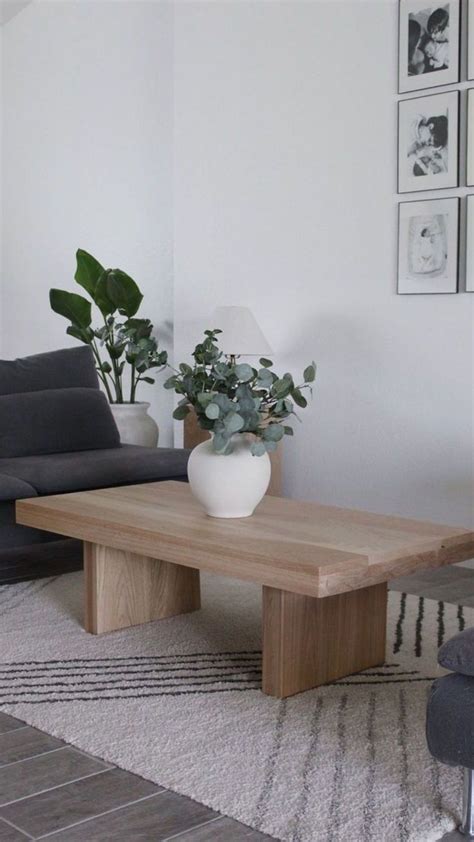
Minimalism can sometimes lean cold if it relies solely on synthetic materials and plain painted drywall. Combat this by incorporating warm natural wood tones through your coffee table, accent chairs, or floating shelving. White oak, walnut, and ash introduce organic grain patterns that ground the space and add tactile warmth.
Keep wood finishes cohesive by sticking to one or two complementary tones throughout the room. The organic imperfections in natural wood grain provide subtle visual interest, proving that a minimalist room can feel deeply grounded, earthy, and welcoming rather than clinical.
7. Layer Tactile Textiles for Comfort
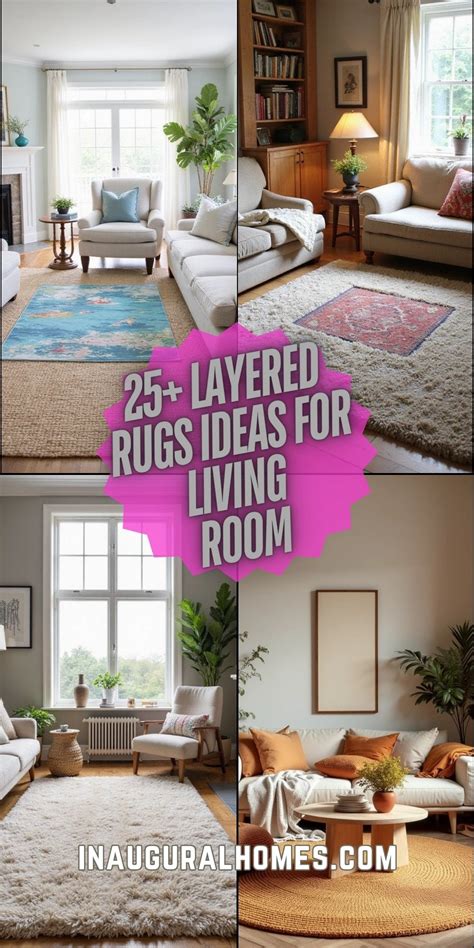
A minimalist living room must remain comfortable enough for everyday lounging. Introduce tactile comfort through high-quality, natural textiles such as heavy washed linen, textured wool, bouclé, and cotton canvas. Layering a plush, low-pile wool rug over hardwood floors instantly softens the room and defines the seating zone.
Stick to a monochromatic or tightly edited textile palette to maintain visual harmony. Instead of relying on loud patterns or bright colors to create interest, let the contrast in tactile weaves—such as a chunky knit throw draped over a smooth leather armchair—provide the necessary sensory depth.
8. Curate Meaningful Statement Art Over Gallery Walls
Gallery walls filled with dozens of small frames can easily create visual clutter and distraction. In a minimalist living room, replace a busy collage with a single, oversized piece of statement art that commands the space with quiet confidence. Choose abstract compositions or serene landscapes that evoke a sense of calm.
Hang the artwork at eye level, ensuring it has plenty of surrounding negative space on the wall. This breathing room allows the eye to rest and elevates the piece into a true focal point, reflecting your personal taste without overwhelming the room’s peaceful atmosphere.
9. Embrace Architectural Lighting and Hidden Fixtures
Lighting design in a minimalist home goes beyond a single overhead ceiling fixture. Layer your lighting by combining slim architectural recessed lights, discreet floor lamps with sculptural silhouettes, and warm table lamps with ceramic bases. Dimmers are essential for shifting the room’s mood as evening approaches.
Hide light sources where possible, such as incorporating LED strip lighting behind floating media consoles or shelving units. This creates a soft, ambient glow that washes down the walls, enhancing the room’s architectural lines and eliminating harsh shadows.
10. Keep Decor to Sculptural, Functional Objects
Every decorative object placed in a minimalist room should earn its place. Avoid filling shelves with small, miscellaneous trinkets bought on impulse. Instead, choose a few larger, sculptural items that double as functional pieces, such as a heavy stoneware vase, a simple ceramic bowl, or a stack of hardcover art books.
Group objects in odd numbers and leave generous empty space around them. This deliberate restraint highlights the beauty of each individual item and prevents surfaces from looking crowded or disorganized.
11. Integrate Indoor Greenery for Organic Life
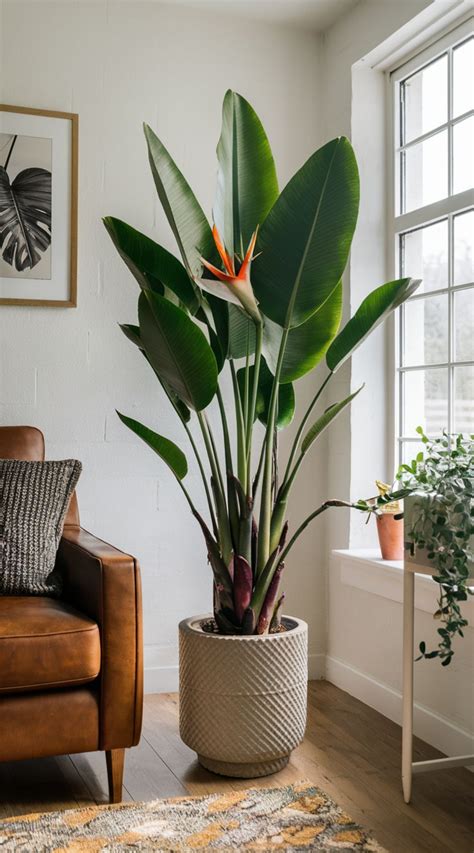
Living plants bridge the gap between indoor comfort and the natural world, adding a vital touch of vitality to minimalist interiors. Select plants with clean, sculptural shapes, such as a tall fiddle-leaf fig, a sleek snake plant, or delicate cascading pothos placed on a high floating shelf.
House your plants in simple matte ceramic or terracotta pots that complement your neutral color scheme. Greenery introduces organic asymmetry to a room, softening rigid architectural lines and contributing to cleaner indoor air quality.
12. Conceal Electronics and Cable Management
Visible cords, routers, and power strips instantly disrupt the clean, serene aesthetic of a minimalist living space. Take the time to route television cables through the wall or conceal them inside cord-management raceways painted to match your wall color.
Store streaming devices and routers inside ventilated cabinets or behind the television screen. By eliminating the visual tangle of modern technology, you restore a sense of calm and order to your media wall.
13. Define Zones in Open-Concept U.S. Floor Plans
Many modern American homes feature open-concept layouts where the living room flows directly into the kitchen and dining area. In these expansive spaces, minimalism can sometimes feel lost or ungrounded. Use large, neutral area rugs to physically and visually anchor your living room furniture.
Position the back of your sofa to face the kitchen or entryway, creating a subtle psychological barrier that defines the living room as a distinct, dedicated haven of rest within the larger open floor plan.
14. Edit Constantly and Practice Mindful Consumption
Minimalism is not a one-time interior design project; it is an ongoing lifestyle habit. Commit to a seasonal editing routine where you evaluate what enters and leaves your living space. Before purchasing a new decor item or piece of furniture, ask yourself if it truly adds value, utility, or calm to your daily routine.
By practicing mindful consumption, you prevent clutter from creeping back in. Your living room remains a flexible, tranquil sanctuary that adapts gracefully to your changing needs throughout the year.
Frequently Asked Questions
How can I make my living room look minimalist without feeling cold or empty?
To prevent a minimalist living room from feeling cold, focus on layering organic textures like heavy linen, wool rugs, bouclé upholstery, and natural wood tones. Choosing a warm neutral color palette rather than stark white also adds immediate visual coziness and comfort.
What are the best colors for a calm, minimalist living room?
Soft warm whites, gentle greiges, muted stone, and earthy taupes work best. These shades reflect natural sunlight, make rooms feel larger, and establish a serene, grounded atmosphere that promotes relaxation.
How do I choose furniture for a minimalist home with children or pets?
Prioritize durable, performance-fabric upholstery with clean lines, and heavily utilize hidden storage furniture like ottomans and closed media consoles. This allows you to easily stash toys and pet accessories out of sight while maintaining a clean aesthetic.
How do I hide TV cords and electronics in a minimalist living room?
Use in-wall cord concealment kits, paintable raceways, or media consoles with louvered cabinets that allow remote control signals to pass through while keeping all wiring completely hidden from view.