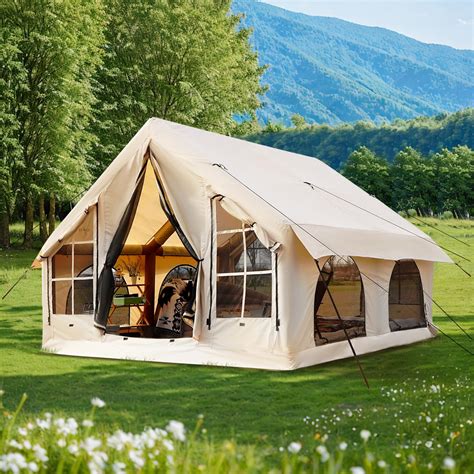
Transforming a weekend in nature or your own backyard into a comfortable family retreat begins with the right shelter. Traditional dome tents often leave parents and children crammed together with little regard for privacy, changing space, or gear organization. For U.S. families looking to elevate their outdoor lifestyle, spacious tents with multiple rooms offer a compelling solution. These large-format shelters mimic the zoning of a small home, providing distinct areas for sleeping, relaxing, and storing equipment securely out of the elements.
Choosing the ideal multi-room tent requires looking beyond manufacturer capacity claims and evaluating how the layout fits your family’s dynamic. Whether you plan to set up camp at a bustling state park campground or create an immersive backyard glamping experience for the kids, understanding the core features of multi-room designs ensures your investment pays off in comfort and longevity.
The Practical Advantages of Multi-Room Family Tents
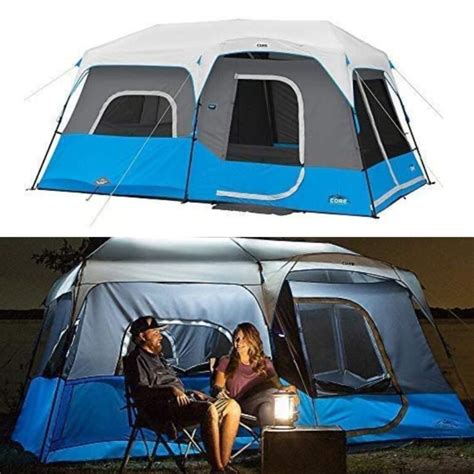
The primary benefit of a multi-room tent lies in its ability to restore personal space in the great outdoors. When traveling with children, teenagers, or extended family members, having separate rooms helps maintain peace and order. Parents can secure a quiet sleeping zone at one end of the tent, while kids or guests occupy another section. This division is particularly useful during extended trips where weather conditions might trap everyone inside for hours at a time, preventing the cabin fever that often accompanies single-room shelters.
Beyond sleeping arrangements, multi-room layouts excel at managing clutter. Dedicated vestibules or side rooms can house bulky items like coolers, damp hiking boots, and backpacks, keeping the main living quarters clean and walkable. Many cabin-style multi-room models also feature high ceilings, allowing adults to stand up fully while changing clothes or moving between zones. This structural headroom fundamentally changes the camping experience, shifting it from a cramped endurance test to an enjoyable, comfortable retreat.
Evaluating Key Features: Weather Resistance, Ventilation, and Dividers

When shopping for a spacious multi-room tent, construction quality dictates how well the structure performs against wind and rain. Look for models featuring robust waterproof ratings on the rainfly, typically measured in millimeters of hydrostatic head, along with factory-taped seams that prevent moisture from seeping through needle holes. Fiberglass poles are common in budget-friendly options, but steel or aluminum poles offer superior rigidity against strong gusts often encountered in open U.S. campgrounds or coastal areas.
Ventilation is another critical factor, especially in tents partitioned into multiple sections. Without adequate airflow, condensation builds up rapidly overnight, leaving gear and sleeping bags damp. Ensure the tent includes mesh roof panels, ground-level intake vents, and windows that can remain open during light rain. Removable fabric dividers allow you to customize the interior layout on the fly, transforming a three-room cabin into an open-concept lounge space during the day and sealing it back up into private bedrooms at night.
Sizing Guidelines and Realistic Capacity for U.S. Families
Manufacturer capacity ratings can often cause confusion for buyers. A tent labeled as a “10-person tent” generally means it can accommodate ten sleeping bags laid shoulder-to-shoulder, leaving virtually no floor space for personal belongings, air mattresses, or movement. For a realistic, comfortable experience, a good rule of thumb is to subtract two to four people from the manufacturer’s stated capacity, especially if you plan to use queen-sized airbeds or cots.
Families of four or five will find that an eight-to-ten-person multi-room tent strikes the ideal balance. This size category usually supports two separate sleeping rooms separated by a central communal foyer or living area. Before purchasing, measure the dimensions of your camping gear, including double-high air mattresses and folding storage bins, and map them against the tent’s floor plan to verify that everyone will fit comfortably without blocking interior doors.
Weighing Setup Complexity, Pack Weight, and Transport Logistics
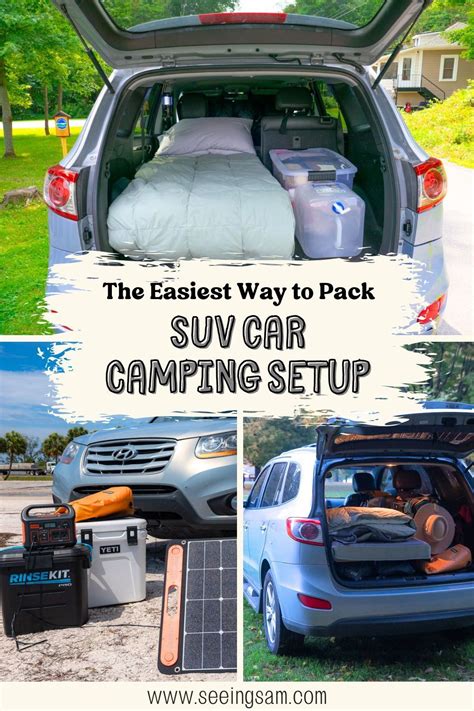
While the luxury of a multi-room tent is undeniable, these shelters come with distinct trade-offs in terms of weight, packed size, and assembly time. Large cabin tents can easily weigh between 30 and 50 pounds and pack down into bulky duffel bags that require significant trunk space in your car or SUV. If you drive a compact vehicle or have limited garage storage at home, checking the packed dimensions before buying is essential to avoid travel logistics headaches.
Setup is another area requiring realistic expectations. Pitching a complex, multi-pole frame with hanging room dividers is rarely a one-person job. It usually demands teamwork and can take anywhere from twenty to forty minutes on your first attempt. To ensure a smooth experience at the campsite, practice assembling the tent in your backyard before your trip. This dry run familiarizes you with the color-coded pole systems and clips, ensuring you can pitch the shelter efficiently even if you arrive at camp just as the sun is setting.
Frequently Asked Questions
Are multi-room tents difficult to set up in windy conditions?
Yes, because of their large surface area and tall walls, multi-room tents act like sails in high winds. It is best to assemble them with at least two people, stake down all guy lines immediately, and position the lowest profile side of the tent into the prevailing wind direction.
Can I remove the room dividers if I want a single open space?
Most modern multi-room tents feature zippered or toggle-attached fabric walls that can be rolled up and secured out of the way or completely detached, allowing you to convert the interior into a large, open communal room.
How do I choose between fiberglass and steel poles for a large family tent?
Fiberglass poles are lightweight and affordable, but they can snap under heavy wind stress. Steel or combined steel-and-fiberglass frame systems offer the heavy-duty stability required for large, multi-room cabin tents used in unpredictable weather.
Do multi-room tents fit standard campsite pads?
Many spacious multi-room tents have large footprint dimensions that may exceed standard tent pads at state or national park campgrounds. Always check your tent’s footprint measurements against campground site specifications before booking your reservation.