Decorating a compact living space requires a careful balance between aesthetic ambition and spatial reality. When square footage is limited, every single design choice—from the scale of your sofa to the height of your window treatments—directly impacts how spacious and welcoming the room feels. Rather than trying to cram full-sized suburban design templates into a cozy urban footprint, successful apartment styling relies on deliberate editing, clever optical illusions, and multi-functional pieces that work harder for your lifestyle.
Whether you are renting a temporary city flat or settling into a permanent starter home, elevating a small living room does not require expensive structural renovations or overwhelming compromises on comfort. By shifting your focus toward vertical real estate, intentional layering, and cohesive color palettes, you can create a sophisticated environment that feels surprisingly expansive, deeply personal, and exceptionally organized.
Rethinking Furniture Scale and Silhouette
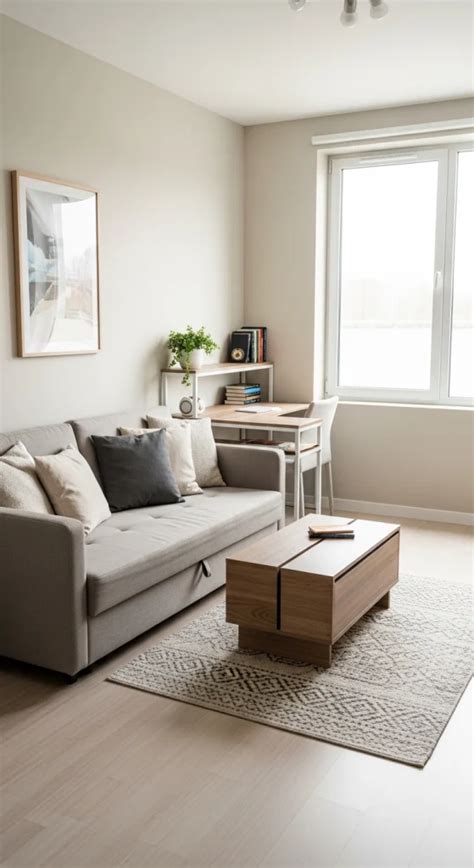
Choosing the right furniture is the single most critical step in designing a functional small living room. Many apartment dwellers make the common mistake of pushing oversized sectionals against every available wall, which instantly swallows up floor space and creates an oppressive layout. Instead, look for apartment-scale sofas that feature slim track arms, elevated wooden legs, and tailored upholstery. Raising furniture off the floor allows light to flow underneath, tricking the eye into perceiving a much larger floor area.
To maintain flexibility without sacrificing seating capacity, incorporate modular pieces and lightweight accent chairs rather than heavy, bulky recliners. Acrylic or glass coffee tables can also completely transform a cramped room layout by maintaining an unobstructed line of sight across the floor. When your furniture pieces do not visually block the room, the entire space breathes easier, leaving you with a clean, airy foundation upon which to build the rest of your decor.
Embracing Multi-Functional Design Solutions
In compact living quarters, single-purpose items are luxury space-wasters. Prioritizing furniture that serves dual roles is an essential strategy for keeping clutter under control while maintaining high daily utility. Consider trading a traditional coffee table for an upholstered storage ottoman that can double as extra seating for guests or a footrest during movie nights. Nesting side tables offer another clever solution, allowing you to tuck smaller surfaces completely away when floor space needs to remain open.
For those who frequently host out-of-town visitors or work from home, wall-mounted drop-leaf desks and sleeper sofas provide incredible versatility without demanding permanent square footage. The key trade-off when selecting multi-functional items is ensuring they remain comfortable and straightforward to operate. If a convertible piece requires five minutes of wrestling and heavy lifting to transform, you are unlikely to use its features regularly in day-to-day life.
Maximizing Vertical Real Estate
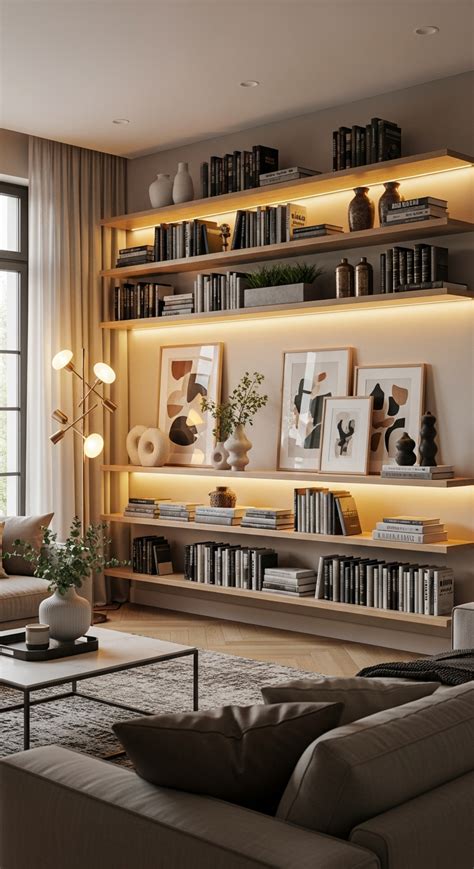
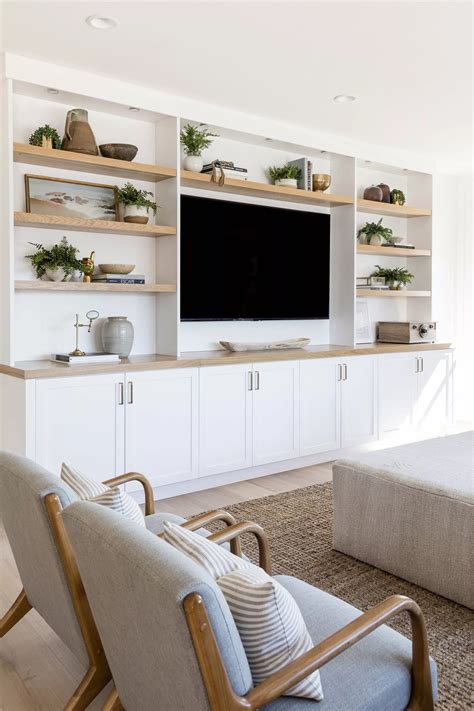
When horizontal floor space is strictly limited, your walls become your most valuable design asset. Drawing the eye upward lifts the visual weight of the room away from crowded seating areas and creates an immediate sense of architectural height. Installing floating shelves near the ceiling provides a dedicated spot for displaying art books, trailing plants, and sculptural ceramics without eating into precious walking paths below.
Another high-impact vertical technique involves hanging your window curtains as close to the ceiling molding as possible rather than right above the window frame. Combined with extra-long floor-length drapery panels, this simple adjustment stretches the vertical lines of the room, making standard apartment windows look grand and expansive. Just be sure to secure heavy shelving properly into wall studs, especially if you are renting and want to minimize unnecessary drywall damage.
Strategic Lighting Layers for Spatial Depth
Relying on a single overhead flush-mount light fixture is a guaranteed way to make any small apartment living room feel sterile, flat, and cramped. Effective apartment lighting requires a layered approach that combines ambient, task, and accent sources at varying heights throughout the room. Start by incorporating slim floor lamps in dark corners, placing stylish table lamps on side surfaces, and adding warm-toned wall sconces that do not require hardwiring if you prefer renter-friendly plug-in options.
Good lighting design bounces illumination off walls and corners, effectively softening harsh shadows that tend to emphasize tight corners and low ceilings. Dimmable bulbs are particularly valuable in compact spaces, allowing you to instantly transition the room from a bright, productive daytime workspace into a cozy, intimate evening retreat with the flick of a switch.
Curating a Cohesive, Light-Reflecting Color Palette
Color has a profound psychological and visual impact on our perception of space. While stark white walls are a classic choice for brightening a room, they can sometimes feel cold or uninspired if not paired with warm textures and contrasting accents. Soft neutral tones like warm greige, creamy linen, or muted sage green provide a soothing backdrop that unifies the room and bounces natural sunlight around the space.
To prevent a neutral palette from feeling flat, introduce subtle tonal variations through your larger textile investments, such as a textured area rug or neutral linen throw pillows. If you love bold, saturated colors, reserve them for smaller accent items like art frames, decorative objects, or a statement throw blanket. This ensures your favorite hues add personality without overwhelming the compact dimensions of the room.
Frequently Asked Questions
How can I make my small apartment living room look bigger without remodeling?
You can make a small living room feel larger by choosing furniture with exposed legs, hanging curtains near the ceiling line, using glass or acrylic tables to maintain sightlines, and layering multiple light sources to eliminate dark corners.
What is the best type of sofa for a compact living room?
An apartment-scale sofa with slim track arms, tailored cushions, and elevated legs works best. These design elements reduce the visual bulk of the furniture and allow light to pass underneath, preserving open floor space.
How do I prevent a small living room from looking cluttered?
Embrace multi-functional furniture with built-in storage, utilize vertical wall space for shelving, and be selective about decorative accessories. Keeping surfaces mostly clear and maintaining designated homes for everyday items prevents visual chaos.
What are renter-friendly ways to style apartment walls?
Instead of permanent built-ins or extensive drywall modifications, renters can use heavy-duty adhesive strips for lightweight art, tension rods for hanging curtains without drilling, plug-in wall sconces, and tall leaning bookshelves.