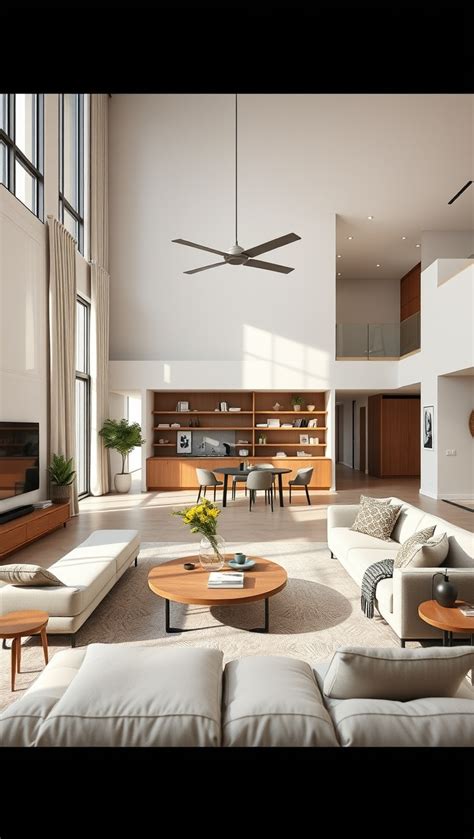
Creating a balanced and inviting living room often comes down to the foundational surfaces you choose. When you select modern coffee and end table sets, you establish a visual rhythm that anchors your seating arrangement. Rather than hunting for standalone pieces that might clash in scale or finish, a curated set offers instant architectural cohesion. Whether you live in a sprawling suburban family room or a compact downtown apartment, understanding how to coordinate these surfaces transforms an ordinary seating area into a professionally styled sanctuary.
Navigating the vast array of modern table options requires looking beyond surface aesthetics. You must balance everyday practicality with your personal design narrative, ensuring your tables withstand high-traffic family movie nights while maintaining a sleek, uncluttered profile. By evaluating scale, material integrity, and layout constraints early in your design process, you can build a layered living room that feels both deeply functional and visually inspiring.
The Debate: Matching Sets Versus Mixed Coordination
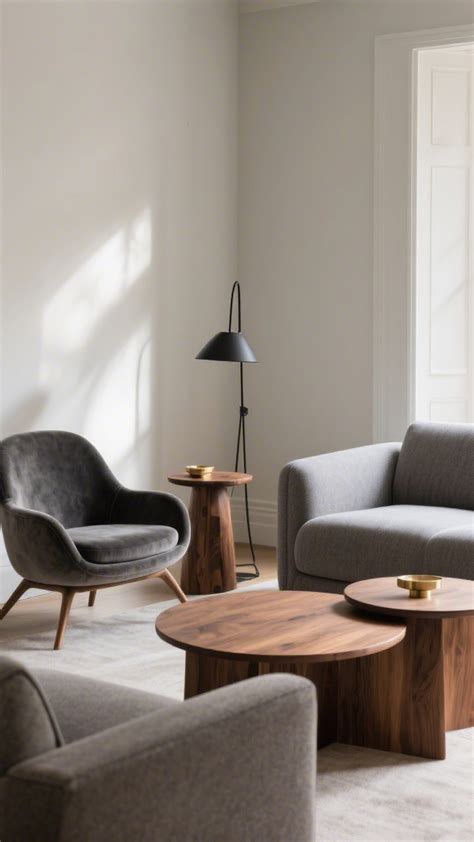
One of the first decisions you will face when shopping for modern living room furniture is whether to buy an identical multi-piece set or curate a complementary mix. Matching sets—typically consisting of one central coffee table and two matching side or end tables—deliver instantaneous visual harmony. They work exceptionally well in formal living rooms or minimalist spaces where symmetry creates a calming, intentional atmosphere. If you appreciate clean lines and a streamlined look without the guesswork, a unified set simplifies the decorating process significantly.
Conversely, mixing materials or slightly varying styles within a cohesive color palette introduces rich texture and a collected-over-time aesthetic. For instance, pairing a solid walnut coffee table with matte black metal-framed end tables bridges the gap between mid-century warmth and industrial edge. This approach prevents a room from looking like a furniture showroom, adding depth and personality. The key to successful mixing is maintaining a unifying element, such as matching leg heights, consistent wood undertones, or similar geometric silhouettes, so the room remains anchored rather than chaotic.
Sizing and Proportion Rules for American Living Rooms
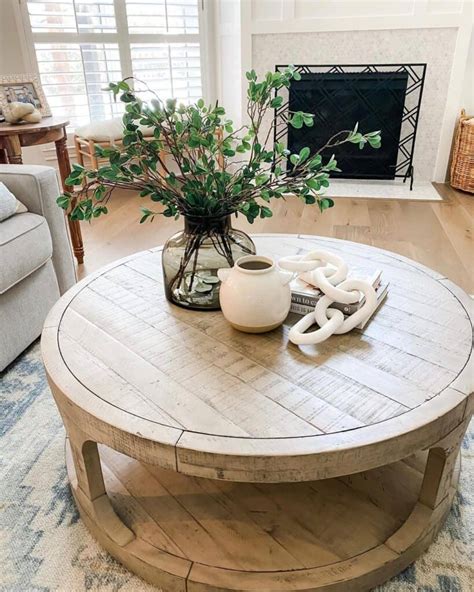
Proportion is the invisible backbone of successful interior design. In typical U.S. living rooms, which often feature open-concept layouts or defined conversation zones, wrong-sized tables instantly disrupt traffic flow. Your central coffee table should ideally sit about 14 to 18 inches away from your sofa, allowing enough legroom while keeping drinks within easy reach. Furthermore, the length of the coffee table should generally measure roughly two-thirds the total length of your sofa to maintain visual balance.
End tables demand careful spatial consideration alongside your sofa arms and accent chairs. The general rule of thumb is that an end table should roughly match or sit slightly lower than the arm of the sofa or chair it accompanies, usually falling between 21 and 25 inches in height. If an end table is too tall, it creates an awkward reaching angle and obstructs sightlines across the room. In compact urban apartments, nesting tables or slender C-tables serve as versatile alternatives, providing surface area when needed without overwhelming tight floor plans.
Exploring Modern Materials: Wood, Glass, Metal, and Stone
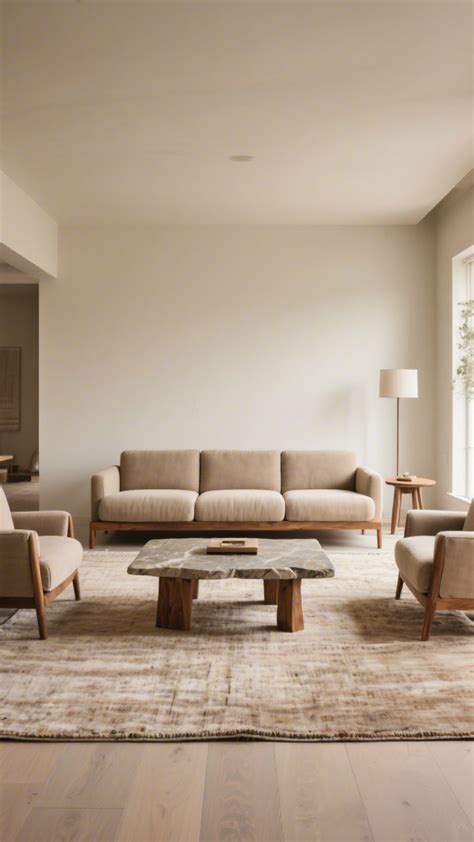
Modern design embraces a diverse palette of materials, each bringing unique tactile qualities and durability factors to your living room. Natural hardwoods like oak, walnut, and ash remain enduring favorites because they introduce organic warmth and age gracefully over time. However, solid wood surfaces require coasters and routine dusting to prevent moisture rings and scratches, making them a consideration for households with active children or pets.
For a lighter footprint in smaller spaces, tempered glass tops paired with brushed brass or polished chrome frames work wonders. Glass reflects ambient light and creates an illusion of openness, though it demands frequent cleaning to keep fingerprints at bay. Meanwhile, sintered stone, marble, and concrete composite tops offer striking architectural presence and robust durability. These stone surfaces resist heat and wear exceptionally well, but their heavy weight makes them less practical if you frequently reconfigure your furniture layout.
Artful Styling Strategies for Table Surfaces
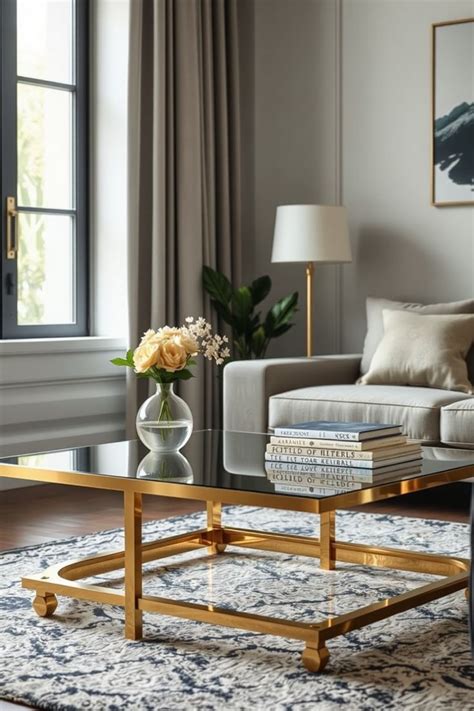
Once your modern coffee and end table sets are securely positioned in your room, the final step involves styling the surfaces without creating visual clutter. Start with the coffee table by utilizing the rule of threes or asymmetric groupings. Combine items of varying heights and textures, such as a low stack of hardcover art books topped with a sculptural ceramic bowl, complemented by a scented candle in a textured vessel. Leave plenty of negative space so the table remains functional for resting a morning coffee cup or setting down a remote control.
End tables require a more restrained approach due to their smaller surface area. Because these tables often support lighting, a slim ceramic or metal table lamp usually occupies the primary zone. Layer in one secondary item, such as a small tray for keys or a single trailing plant in a minimalist planter, to keep the vignette grounded. By resisting the urge to over-accessorize, you allow the clean lines and quality craftsmanship of your modern tables to truly shine through.
Frequently Asked Questions
Should coffee tables and end tables always match?

Not necessarily. While matching sets create an instant sense of symmetry and formal polish, mixing complementary materials and finishes adds character and a curated look. Ensure there is a unifying thread, such as matching metal frames or compatible wood tones, to maintain visual harmony.
How do I choose the right size coffee table for a large sectional?
For large sectional sofas, look for a coffee table that spans about two-thirds the length of the longest side of the sectional. Ensure there is at least 14 to 18 inches of clearance between the sofa edge and the table for comfortable movement.
Are glass-topped modern tables durable for family homes?
Modern glass tables typically use thick, tempered safety glass designed to withstand accidental impacts. While they are structurally durable and help open up small rooms visually, they do show dust, smudges, and pet prints more readily than wood or stone surfaces.
What is the correct height for an end table?
An end table should ideally be equal to or slightly lower than the arm of the sofa or accent chair it sits beside. This ensures comfortable access to drinks, books, or lamps without awkward reaching or blocking sightlines.