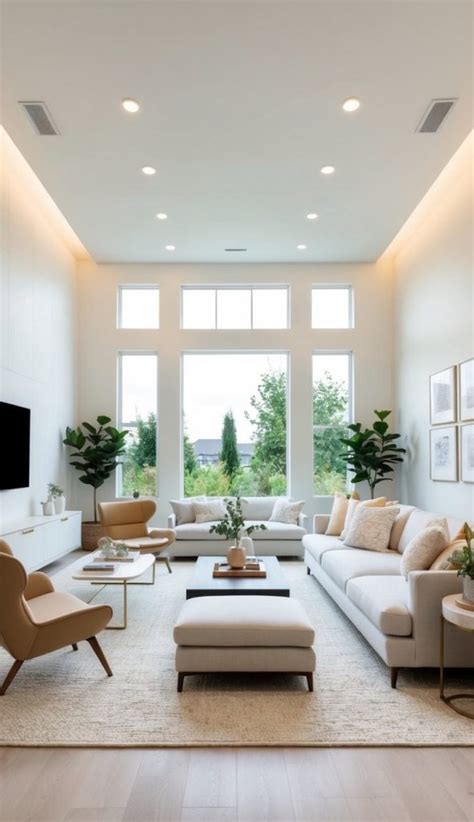
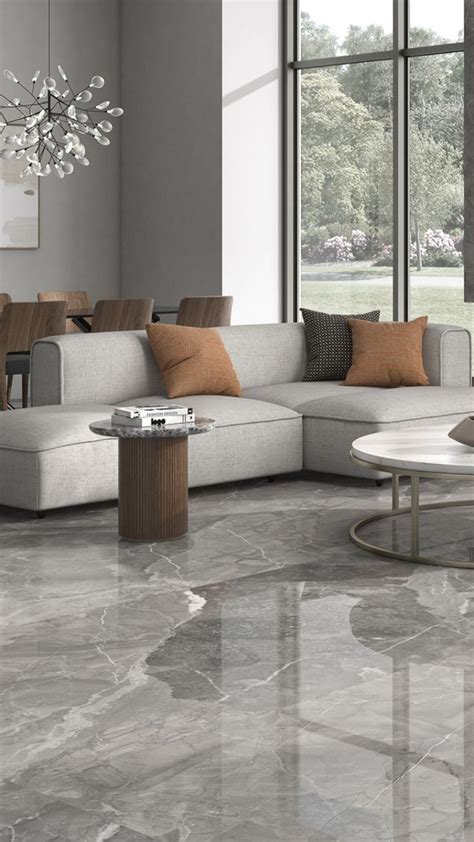
The living room serves as the central hub of daily life in most American homes, functioning as a quiet retreat, an entertainment center, and a gathering space for family and guests. Whether you own a suburban house with an open-concept layout or rent a compact apartment in a bustling city center, creating a space that feels both functional and personal requires careful planning. Designing this room effectively means balancing aesthetic preferences with spatial limitations, lifestyle demands, and, for many residents, lease restrictions that limit permanent modifications.
Approaching your living room design with a clear strategy helps prevent impulse purchases and awkward furniture arrangements. By focusing on fundamental elements like traffic flow, lighting layers, and versatile furnishings, you can build a cohesive environment that adapts to your changing needs. The following practical strategies offer adaptable solutions for both homeowners seeking long-term refinement and renters looking for high-impact, temporary transformations.
Mastering Layout Optimization for Every Floor Plan
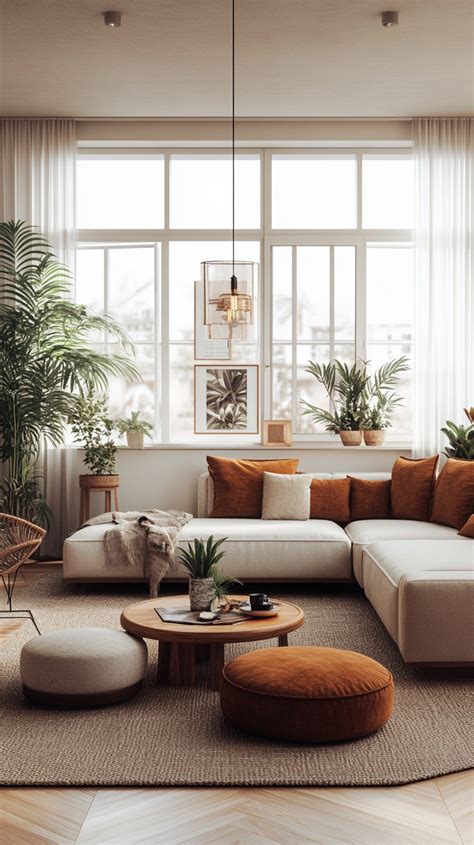
Every living room presents unique architectural quirks, ranging from awkward wall angles and multiple doorways to massive picture windows that limit where a sofa can go. Before buying new furniture or moving existing pieces, take time to measure your room and map out the primary pathways. In open-concept layouts common in modern American homes, furniture arrangement acts as an invisible room divider, defining the living zone without the need for physical walls. Keep primary walkways clear—ideally leaving at least three feet of walking space—to ensure the room feels open rather than blocked off.
When dealing with compact apartments or narrow living spaces, pulling furniture slightly away from the walls often creates an unexpected illusion of depth. While it feels counterintuitive to float a sofa in the middle of a small room, doing so prevents the perimeter from feeling cramped and allows air to circulate around your key pieces. Anchor the seating arrangement with a properly sized area rug; a common mistake is choosing a rug that is too small, which visually chops up the floor and makes the room feel disjointed. Ensure at least the front legs of your main seating pieces rest comfortably on the rug to tie the conversation area together.
Renter-Friendly Upgrades That Protect Your Security Deposit
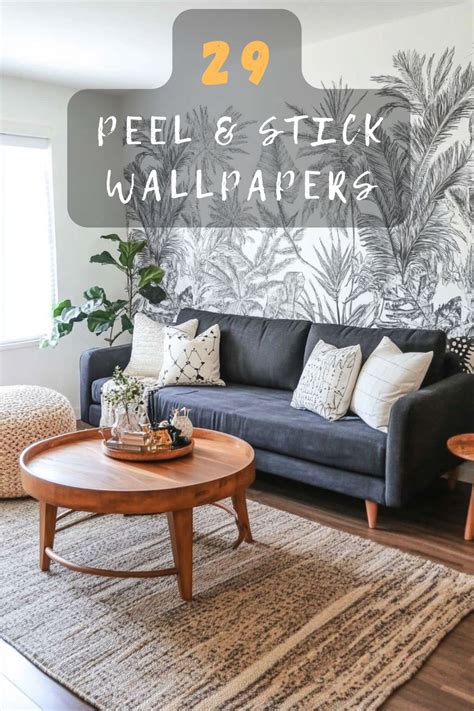
Renting often comes with a frustrating list of restrictions, most notably the prohibition against painting walls, drilling heavy anchors, or changing out light fixtures. Fortunately, modern design innovations make it entirely possible to infuse personality into a rental without sacrificing your security deposit at the end of your lease. Removable peel-and-stick wallpaper offers a dramatic way to create an accent wall or line the back of a bookshelf, introducing color and texture that can be cleanly peeled away when you move out. Similarly, adhesive wall hooks and damage-free hanging strips securely display framed art and lightweight mirrors without leaving large holes in drywall.
If your rental features dated hardware, builder-grade light switch plates, or plain vertical blinds, look for reversible swaps you can easily uninstall later. Replacing standard switch plates with brushed brass or matte black versions takes minutes and instantly elevates the room’s hardware details. For window treatments, utilize existing hardware brackets or tension rods to hang rich linen curtains that soften hard window frames. When you eventually pack up to move, simply swap the original items back into place, ensuring your deposit remains completely secure while you enjoy a personalized home environment in the interim.
Layering Lighting for Ambiance and Everyday Functionality
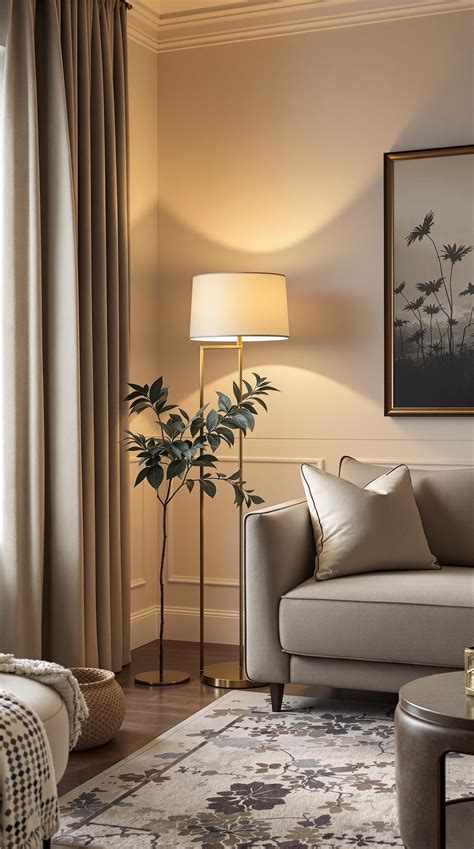
Relying on a single overhead light fixture—often referred to as the dreaded ‘boob light’ in rental apartments—frequently results in harsh glare and flat shadows. Crafting a welcoming atmosphere requires a layered lighting approach that combines ambient, task, and accent lighting sources throughout the space. Overhead illumination provides general brightness, but table lamps, floor lamps, and wall sconces bring warmth down to eye level, creating a cozy and inviting environment after sunset.
For renters unable to hardwire new light fixtures into the ceiling, plug-in wall sconces mounted with heavy-duty adhesive strips or discreet screws offer a stylish solution that mimics custom electrical work. Battery-operated puck lights placed inside enclosed sconces or glass cabinets provide glowing illumination without requiring a nearby wall outlet. Additionally, incorporating smart bulbs or warm-toned LED lighting allows you to easily adjust the color temperature and brightness of the room, shifting the mood from bright and productive during daytime tasks to soft and relaxing during evening hours.
Selecting Versatile Furniture and Grounding Focal Points
Choosing the right anchor pieces for your living room requires balancing comfort with spatial efficiency. If you move frequently between different homes or apartments, investing in modular sectionals or versatile loveseats paired with movable accent chairs provides greater flexibility than rigid, oversized furniture sets. Look for multifunctional pieces like storage ottomans, nesting coffee tables, or media consoles with concealed cabinets to keep everyday clutter out of sight while maximizing utility in smaller footprints.
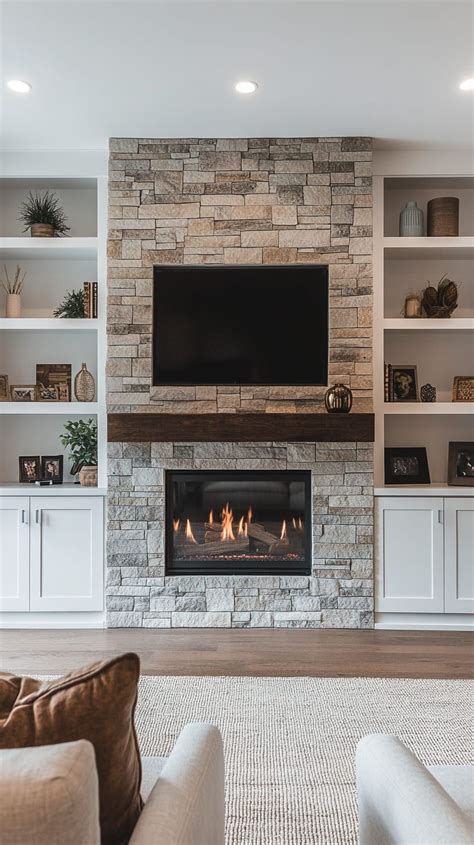
Every successful living room layout benefits from a clear focal point that naturally draws the eye upon entering the room. While a traditional fireplace serves as an effortless anchor in many American homes, rooms without a fireplace can easily create a focal point using a large piece of art, a statement media wall, or an expansive window view. Arrange your primary seating to face this focal point while still maintaining an open orientation for conversation, ensuring the room remains both visually balanced and functionally comfortable for daily living.
Frequently Asked Questions
How can renters decorate a living room without losing their security deposit?
Renters can personalize their living rooms by utilizing removable peel-and-stick wallpaper, damage-free hanging strips for artwork, and tension rods for stylish window curtains. Temporary upgrades like swapping switch plates or adding plug-in wall sconces also elevate the space without making permanent alterations that violate lease agreements.
What are the best ways to arrange furniture in an awkward or small living room?
In smaller or awkwardly shaped rooms, try floating furniture slightly away from the walls to create a more open traffic flow. Use a correctly proportioned area rug to anchor the primary seating zone, and choose multifunctional pieces like nesting tables or storage ottomans to maximize floor space without overcrowding.
How do I choose the right color palette and lighting for my living space?
Start by assessing your room’s natural light levels; north-facing rooms benefit from warmer tones to counter cool light, while south-facing rooms can handle crisper hues. Layer your lighting by combining floor lamps, table lamps, and dimmable overhead sources to create a flexible, welcoming atmosphere for different times of day.