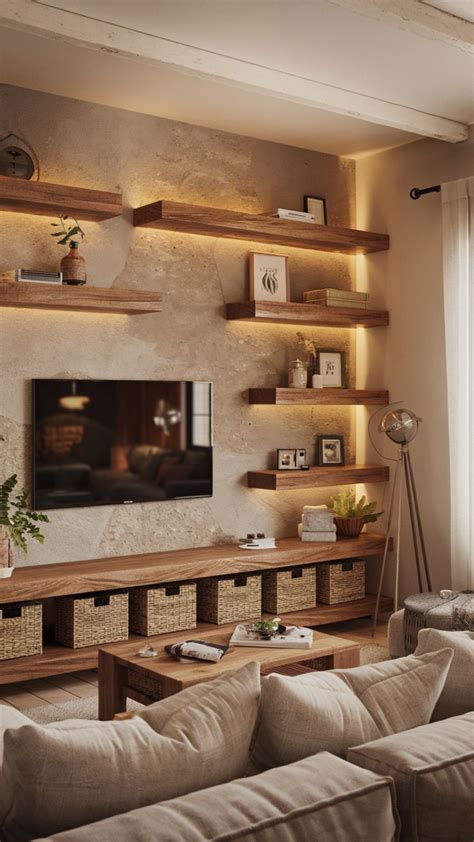
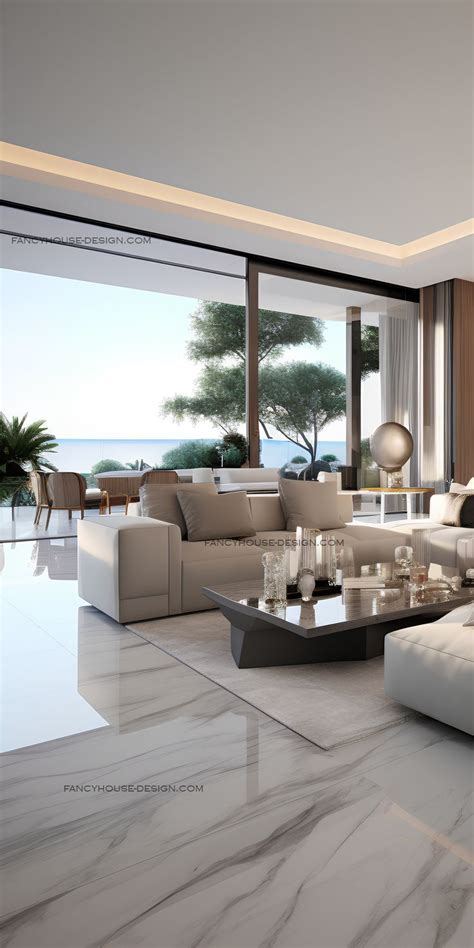
Los Angeles homes possess a distinct architectural rhythm, characterized by abundant natural light, open floor plans, and a seamless blend of indoor and outdoor living. When anchoring a living room in this unique environment, the choice of seating dictates the entire mood of the space. A chic modern sofa does more than provide a place to sit; it serves as the sculptural centerpiece that balances clean architectural lines with relaxed Southern California comfort. Whether you are outfitting a sunlit mid-century ranch in the Valley or a sleek high-rise condo downtown, investing in contemporary couch designs transforms a house into a refined sanctuary.
Navigating the vast world of contemporary seating requires an understanding of how proportion, materiality, and light interact within your specific floor plan. Modern design rejects overly ornate details in favor of honest forms, low profiles, and tailored silhouettes that never block sightlines or obstruct floor-to-ceiling windows. By examining the essential elements of modern sofas—ranging from durable frames to tactile upholstery—homeowners and renters can curate a space that feels both effortlessly stylish and remarkably livable.
Defining Characteristics of Chic Modern and Contemporary Sofas
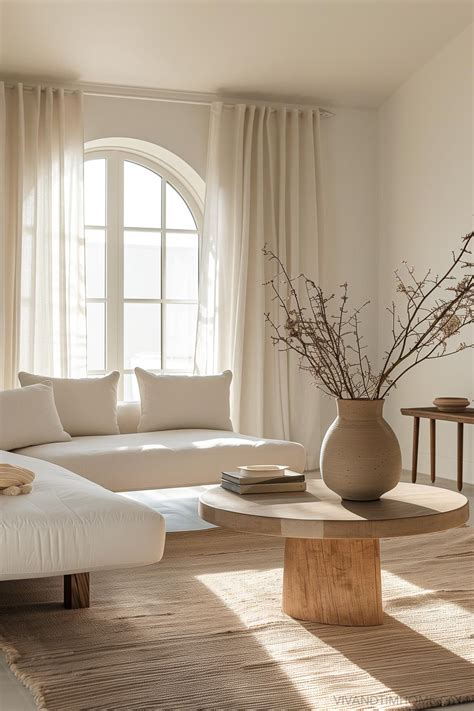
The distinction between a traditional sofa and a chic modern design lies in silhouette, structure, and intent. Traditional furniture often relies on rolled arms, tufted backs, and heavy skirts that visually anchor the piece heavily to the floor. In contrast, contemporary couch designs prioritize visual lightness, often featuring exposed wooden or metal legs, streamlined track arms or continuous curved backs, and unpretentious profiles that invite the eye to travel freely across the room.
Furthermore, modern sofas embrace versatility and organic geometry. While mid-century modern pieces lean heavily into walnut frames and tailored box cushions, contemporary iterations often blur the lines with pillowy modular configurations and asymmetrical shapes. This design ethos aligns perfectly with modern Los Angeles living, where rooms frequently double as entertainment hubs and quiet zones for relaxation, demanding furniture that adapts seamlessly to changing daily routines.
When evaluating frame construction, look for kiln-dried hardwood frames and robust joinery that guarantee longevity. Cushion support systems—such as high-resiliency foam wrapped in down-blend or poly-fiber—ensure that the sofa maintains its tailored silhouette over years of daily use without sacrificing the plush sit that homeowners crave after navigating the city’s bustling freeways.
Selecting Fabrics Suited for the Southern California Lifestyle
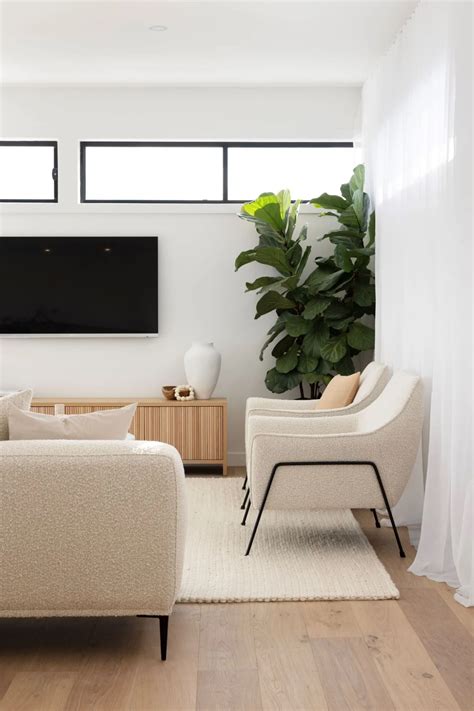
Choosing the right upholstery fabric is critical, particularly in a climate where indoor-outdoor living means sunlight, fresh air, and occasional dust are constant companions. Performance velvets have become a staple in modern LA interiors because they offer a luxurious, light-catching sheen while boasting incredible stain resistance and durability against pets and casual entertaining.
For a more relaxed, bohemian aesthetic, textured bouclé and heavy linen-cotton blends introduce tactile depth and warmth. Bouclé fabric, with its looped, tactile surface, brings instant architectural interest to minimalist rooms dominated by smooth stucco, concrete, or glass surfaces. However, buyers must consider maintenance trade-offs; textured wovens may require more frequent vacuuming to keep crumbs and dust at bay, whereas high-performance synthetic blends offer effortless wipe-clean practicality.
Breathability is another practical factor to weigh under the warm California sun. Natural fibers like linen and cotton mixes allow the material to stay cool to the touch during warmer months, ensuring that your contemporary sofa remains an inviting refuge year-round, regardless of whether your home features central climate control or relies on coastal breezes.
Color Palettes and Natural Light Interaction
Los Angeles is famous for its golden hour and intense, direct sunlight, which can dramatically alter how colors appear inside a room. When selecting a sofa color, evaluate the orientation of your living room windows. South- and west-facing rooms receive warm, bright light that makes creamy neutrals, soft warm grays, and muted earth tones glow warmly, whereas north-facing spaces benefit from richer, saturated tones to counteract cooler, diffused light.
Neutral minimalism remains a timeless choice for LA living rooms, acting as a calm canvas that allows outdoor greenery and architectural features to take center stage. Shades of oatmeal, travertine, warm taupe, and soft bone create an airy atmosphere that expands the visual boundaries of compact apartments. On the other hand, bold statement hues—such as terracotta, olive green, burnt amber, or deep indigo—inject personality and anchor expansive open-concept spaces with artistic flair.
Before committing to a bold upholstery color, request fabric swatches and observe them in your living room at different times of the day. A fabric that looks subdued in a showroom can take on an entirely different intensity when bathed in the bright afternoon sunlight streaming through uncurtained patio doors.
Tailoring Sofa Configurations to Your LA Floor Plan
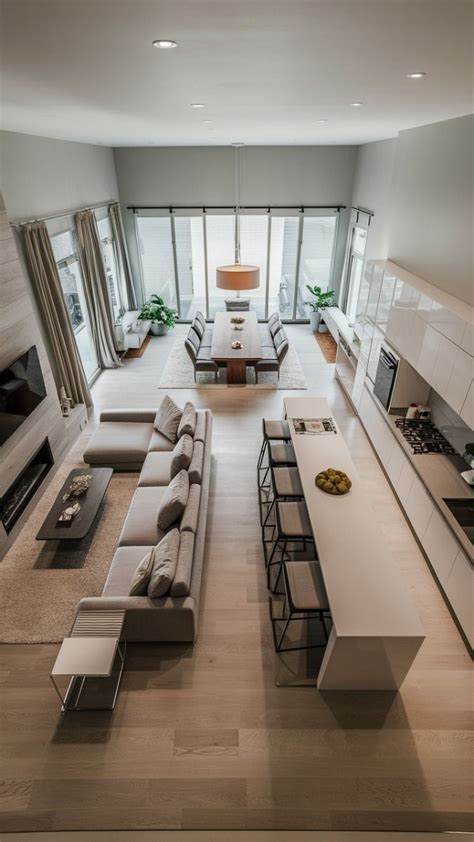
From cozy craftsman bungalows in Silver Lake to sprawling open-plan spaces in Santa Monica, LA living comes in diverse architectural packages. Choosing the correct sofa configuration ensures optimal traffic flow and maximizes functionality without crowding the room. For compact urban apartments or historic homes with compartmentalized layouts, a sleek loveseat paired with an accent chair or a streamlined apartment-scale sofa with slender arms preserves valuable floor space.
Conversely, spacious open-concept layouts benefit greatly from expansive modular sectionals or curved conversation sofas. Modular designs offer ultimate flexibility, allowing you to reconfigure chaise lounges and corner pieces as your lifestyle evolves or when hosting weekend gatherings. Low-profile sectionals are particularly favored in contemporary design because their low backs keep sightlines open across the entire main floor, preserving the bright, airy feeling characteristic of modern West Coast architecture.
Styling Your Modern Couch for High-End Visual Appeal
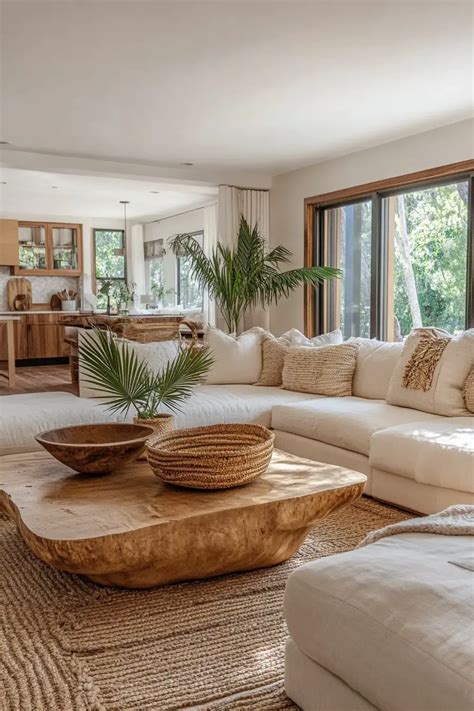
Once your chic modern sofa is in place, the finishing touches elevate the entire vignette from standard furniture arrangement to designer-level interior styling. The key to styling a contemporary couch lies in mastering contrast, texture, and asymmetry. Avoid matching your throw pillows and blankets to the sofa fabric itself; instead, introduce layered textiles such as heavy wool, raw silk, and Belgian linen to add visual depth.
Pair your seating arrangement with a complementary coffee table that contrasts the sofa’s geometry. If your contemporary couch features clean, linear track arms, balance it with an organic, free-form travertine or solid wood coffee table. Ground the entire seating zone with a large-scale natural fiber rug—such as jute, wool, or a vintage-washed flatweave—making sure at least the front legs of the sofa rest comfortably on the rug to unify the space.
Frequently Asked Questions
What defines a chic modern sofa compared to a traditional one?
Chic modern sofas typically feature low profiles, clean lines, exposed legs, and minimalist silhouettes, avoiding heavy skirts, tufting, and ornate carvings found in traditional furniture.
Which sofa fabrics work best for homes with pets or children in Los Angeles?
Performance velvets and tightly woven synthetic blends are exceptional choices because they resist stains, withstand daily wear, and are easy to clean while maintaining a luxurious aesthetic.
How do I choose a sofa color that complements bright LA natural light?
Consider your room’s window orientation. Bright, sun-drenched rooms suit warm neutrals and earthy tones that won’t wash out, while north-facing rooms can handle richer, saturated hues.
Are modular sectionals a good choice for smaller apartments?
Yes, as long as you carefully measure the space. Compact modular designs or apartment-sized sectionals offer layout flexibility and can be rearranged to fit unique room dimensions.