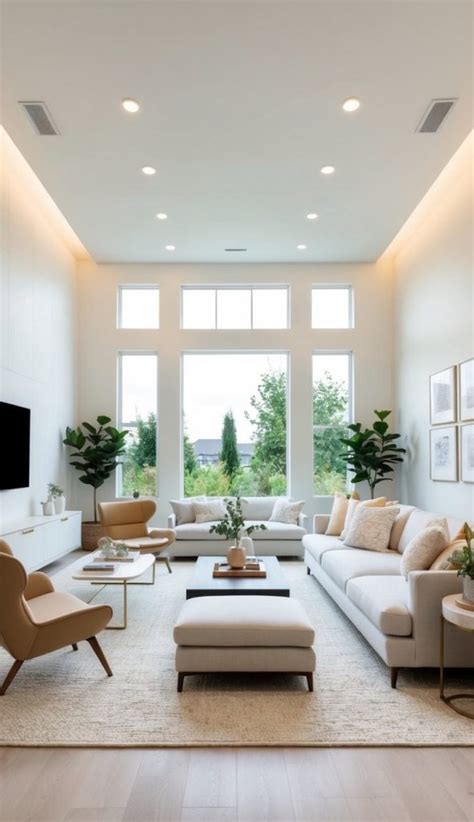
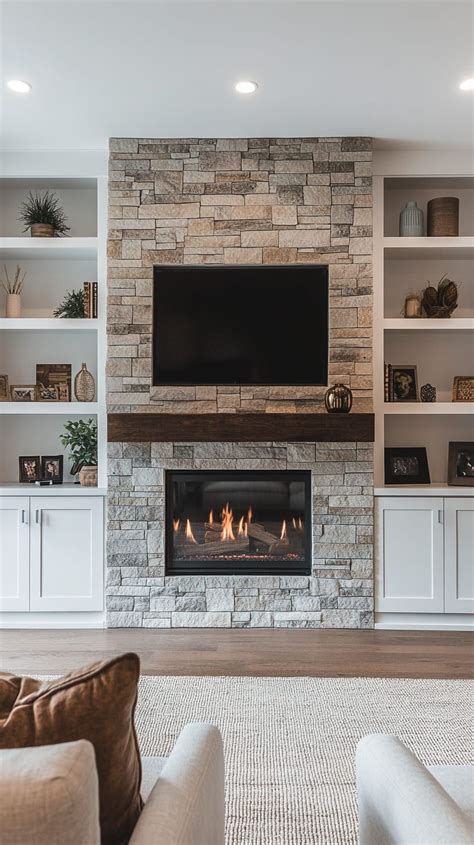
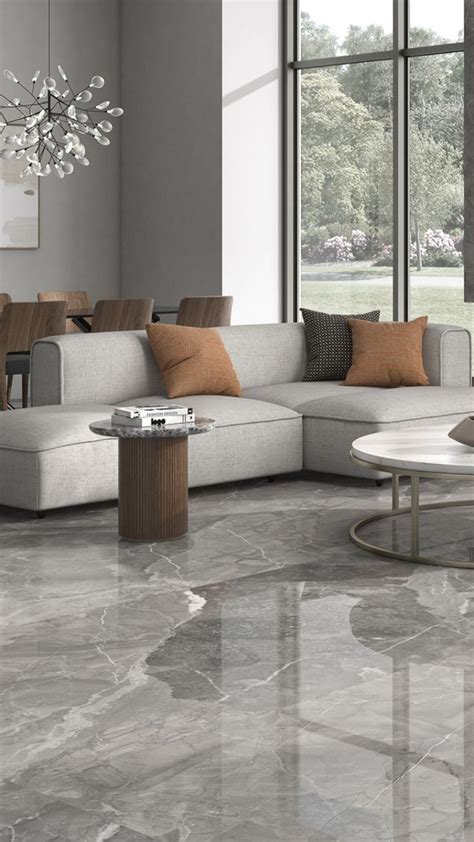
Gray floor tiles have firmly established themselves as a modern design staple in residential properties across the United States. Far from being a passing fad, gray flooring provides a neutral, adaptable foundation that bridges traditional and contemporary aesthetics. From sun-drenched coastal bungalows in California to traditional colonials in New England, homeowners increasingly turn to gray tile for its remarkable versatility. However, selecting the right tile involves more than picking a simple shade; it requires understanding regional climate factors, lighting conditions, and how different textures interact with daily living.
When planning a flooring update, homeowners must navigate a vast array of finishes, material compositions, and undertones. A gray tile that looks stunning in a brightly lit southern showroom might appear stark or clinical under the filtered northern light of a Pacific Northwest living room. By evaluating how undertones behave and matching materials to practical room functions, you can create an inviting atmosphere that stands the test of time.
Understanding Undertones: Warm Greige vs. Cool Slate
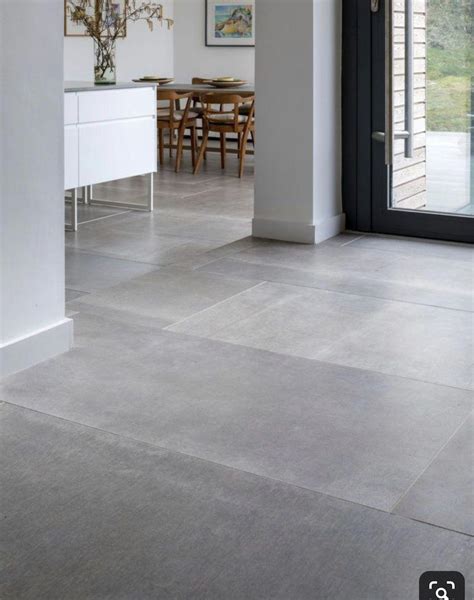
The foundation of any successful gray tile installation lies in its undertone. Gray is rarely a pure, neutral mix of black and white; it typically leans toward warm brown or beige undertones—often referred to as ‘greige’—or cool blue, green, and purple undertones. Recognizing these subtle shifts ensures your flooring harmonizes with existing architectural elements, trim work, and cabinetry.
Warm gray tiles bridge the gap between traditional earth tones and modern minimalism. They pair exceptionally well with honey-oak woodwork, creamy wall paints, and brass hardware, making them popular in Midwestern and Southern homes where traditional warmth is prized. In contrast, cool slate and charcoal tiles bring a crisp, architectural edge. These shades excel in contemporary urban apartments and coastal retreats, reflecting natural daylight and establishing a clean, refreshing visual temperature.
Popular Materials for Modern Gray Flooring
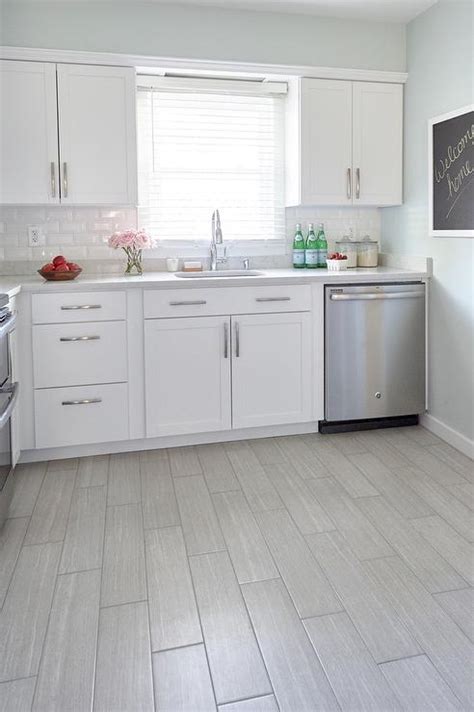
Selecting the right tile material dictates both the look and the longevity of your floor. Homeowners generally choose among porcelain, ceramic, natural stone, and resilient vinyl alternatives, each offering distinct advantages for different household environments.
Porcelain and Ceramic Durability
Porcelain tile remains a top recommendation for high-traffic zones due to its dense composition and low water absorption rate. Because porcelain is fired at higher temperatures than ceramic, it resists chipping, staining, and heavy impacts. This makes it an ideal choice for busy kitchens, entryways, and mudrooms where moisture and heavy foot traffic are daily occurrences.
Ceramic tiles, while slightly more porous than porcelain, offer greater ease of cutting and installation for DIY enthusiasts, alongside a more accessible price point. Both materials are now manufactured using advanced digital printing technologies that can mimic the organic movement of natural stone or the rich grain of weathered wood planks in shades of gray.
Natural Stone and Luxury Alternatives
For homeowners seeking authentic texture, natural stone options like gray limestone, slate, and marble provide unmatched character. Each stone tile features unique veining and surface variations that cannot be mass-produced. However, natural stone requires regular sealing to prevent staining and etching, particularly in moisture-prone bathrooms and kitchens.
As an alternative, luxury vinyl tile (LVT) with a gray wood-look or concrete finish has gained traction among families seeking softer, warmer underfoot comfort without sacrificing water resistance. LVT absorbs sound better than traditional tile and provides a forgiving surface for dropped glassware, making it practical for open-concept living areas.
Regional Preferences Across the United States
Geographic location and regional climate heavily influence interior design choices, and gray tile is no exception. Homeowners adapt neutral flooring palettes to suit local architectural traditions and environmental lighting conditions.
In the Northeast and Midwest, where winters are long and overcast, homeowners frequently gravitate toward warm-toned gray tiles with subtle texturing. These tones counteract the gray exterior skies, preventing interiors from feeling sterile. Pairing these floors with plush area rugs and layered textiles creates a cozy sanctuary during colder months.
Conversely, in Southern and Southwestern states, cool gray polished porcelain and large-format concrete-look tiles are favored for their cooling properties. In regions with intense summer heat, these floors offer a refreshing tactile contrast, visually lowering the perceived temperature of the room while reflecting abundant natural sunlight.
Styling and Warming Up Gray Spaces
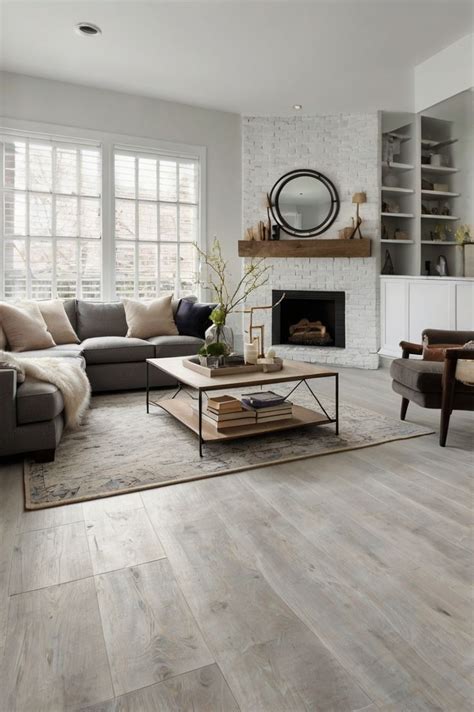
One common concern among homeowners is that gray flooring can make a home feel cold or uninviting. Overcoming this challenge relies on intentional styling, texture layering, and strategic color pairing throughout the space.
To prevent a gray-tiled room from feeling stark, introduce organic elements such as exposed wooden beams, leather furniture, or woven jute rugs. Wood tones—ranging from light white oak to rich walnut—add immediate warmth and balance the cool rigidity of tile. Additionally, incorporating warm lighting fixtures with bulbs in the 2700K to 3000K range softens shadows and highlights the subtle nuances in the tile’s surface.
Grout selection also plays a pivotal role in the final aesthetic. Matching the grout color to the tile creates a seamless, monolithic surface that makes smaller rooms appear larger. Conversely, contrasting grout highlights individual tile geometry, adding a structured, graphic element that suits modern farmhouse and industrial interiors.
Maintenance and Longevity Considerations
Maintaining gray floor tile is relatively straightforward, but proper care ensures your investment retains its visual appeal over decades. Regular sweeping or vacuuming removes abrasive grit that can dull protective surface finishes, especially on polished porcelain or natural stone.
For routine cleaning, use a pH-neutral cleaner rather than harsh chemical detergents, which can degrade grout lines and leave a residue. In high-moisture areas like bathrooms and laundry rooms, sealing cement-based grout lines every one to two years prevents moisture penetration and staining, keeping your gray floors looking pristine with minimal ongoing effort.
Frequently Asked Questions
Are gray floor tiles still in style for U.S. homes?
Yes, gray floor tiles remain enduringly popular because they serve as a versatile neutral foundation. Shifts toward warmer greige tones and textured stone-look finishes keep the trend fresh and adaptable to modern interior designs.
How do I stop gray tile floors from looking too cold?
You can warm up a gray-tiled room by incorporating organic textures such as natural wood furniture, woven rugs, leather accents, and warm-toned lighting fixtures to balance the cool color palette.
What grout color works best with gray floor tiles?
A matching grout color creates a seamless, contemporary look that expands visual space, while a contrasting darker or lighter grout accentuates the tile pattern for a more defined, geometric effect.
Is porcelain or ceramic better for high-traffic entryways?
Porcelain is generally superior for high-traffic entryways and mudrooms due to its higher density, greater impact resistance, and lower moisture absorption rate compared to standard ceramic tile.