Selecting the right living room chair is rarely just about picking a pretty piece of furniture off a showroom floor. In many American homes, the living room serves multiple functions: it is a welcoming space for hosting neighbors, a quiet zone for reading on a Sunday afternoon, and a central hub for family movie nights. Because a chair must bridge the gap between visual appeal and everyday utility, understanding how different silhouettes, scales, and materials function in real rooms is essential for creating a cohesive interior.
When evaluating potential seating options, homeowners often struggle to balance a statement aesthetic with the physical realities of their floor plan. A bulky armchair might look striking online, but it can easily overwhelm a compact apartment living room or disrupt the traffic flow in an open-concept suburban layout. By carefully examining popular silhouettes, measuring your available space, and factoring in household routines, you can select a chair that anchors your design scheme and delivers lasting comfort.
Popular Living Room Chair Styles and Their Best Uses
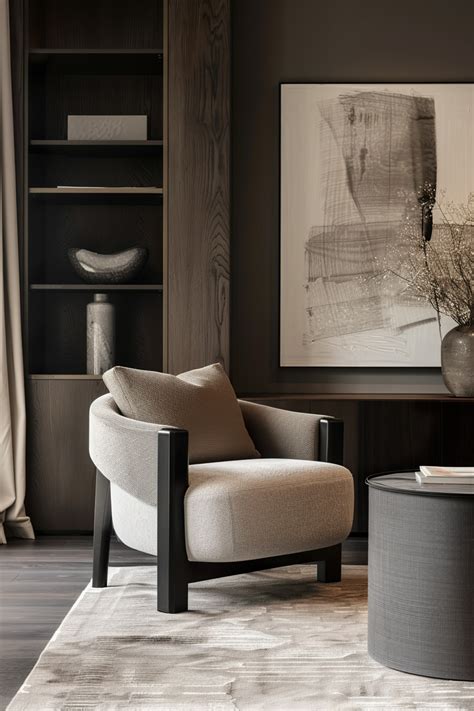
Different chair silhouettes bring entirely distinct architectural lines and functional benefits to a room. Understanding these classic styles helps clarify which option naturally complements your existing sofa and room architecture, ensuring your seating arrangement feels intentional rather than improvised.
The classic club chair remains a perennial favorite for its deep, enveloping seat and sturdy frame. Traditionally upholstered in leather or heavy textiles, a club chair invites long conversations and relaxed lounging. It works exceptionally well in transitional or traditional American living rooms, providing a substantial visual weight that balances a large sectional or standard three-seater sofa.
For rooms that require flexibility, swivel chairs offer a brilliant functional advantage. In open-concept homes where the living area opens directly into the kitchen or dining space, a swivel mechanism allows seated guests to pivot effortlessly toward whoever is speaking, improving room connectivity without requiring anyone to drag heavy furniture across the rug.
Wingback chairs introduce verticality and formal elegance to a space. Originally designed to shield drafts in older homes, modern interpretations serve as striking accent pieces that draw the eye upward, making standard ceilings feel slightly higher. They fit comfortably in cozy reading corners or paired opposite a fireplace.
Sizing and Spatial Planning for American Floor Plans
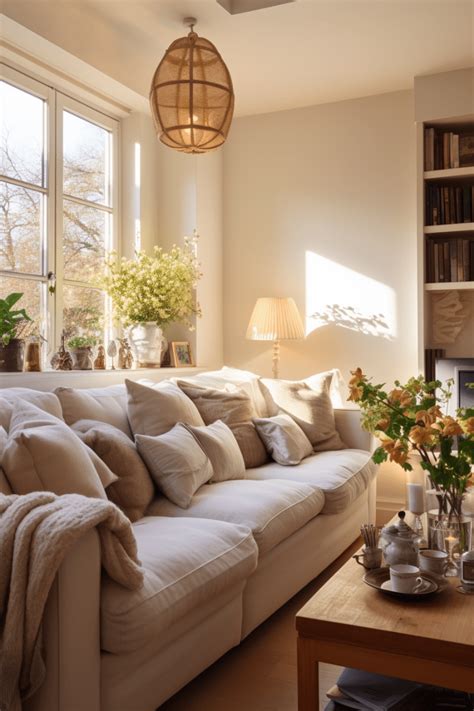
Proportion is arguably the most critical factor when integrating a new chair into an established living room. Before browsing catalogs, take precise measurements of your room dimensions, noting architectural features like heating vents, baseboard heaters, swing paths for doors, and the distance between your existing sofa and media console.
In smaller suburban apartments or urban condos, heavy overstuffed armchairs often consume too much visual floor space, making the room feel congested. Instead, consider lightweight accent chairs with exposed wooden or metal legs. This elevated silhouette allows light to pass underneath the seat, creating an illusion of openness and maintaining a balanced sense of scale in tighter footprints.
For expansive open-concept great rooms, standard-sized accent chairs can easily look lost or disconnected. To anchor a large space, choose oversized armchairs or pair two substantial club chairs side by side to create a defined secondary seating zone. Maintaining at least eighteen to twenty-four inches of clearance around the chair ensures that pathways remain open and the room avoids a cluttered feeling.
Balancing Fabrics, Durability, and Daily Wear

The choice of upholstery fabric dictates both the tactile feel of the chair and its longevity under daily household use. Households with young children, energetic pets, or frequent guests require materials that withstand friction, resist stains, and clean easily without sacrificing style.
Performance fabrics have revolutionized modern interior design by offering advanced stain resistance and durability without feeling clinical or stiff. Woven synthetic blends, treated linen-looks, and heavy-duty polyester fibers repel spills effectively and resist the claw pulls common with cats and dogs. Leather and high-grade faux leather develop a rich patina over time and wipe clean instantly with a damp cloth, making them exceptionally practical for active family rooms.
If you prefer delicate natural textiles like pure linen or rich velvet, reserve them for low-traffic rooms or formal sitting areas where heavy daily use is less likely. Textured weaves also perform well in busy spaces by naturally masking minor dust and everyday wear between routine vacuuming sessions.
Harmonizing Your New Chair with Existing Furniture
Achieving a cohesive living room design does not require purchasing a matching matching set; in fact, curated, eclectic styling feels much more authentic and sophisticated. The secret to mixing a new chair style with your existing sofa lies in balancing contrasting elements such as color, texture, and structural silhouette.
If your sofa features a neutral, tailored tweed or gray fabric, introduce a patterned accent chair featuring subtle geometric or botanical motifs to inject visual energy into the space. Conversely, if your sofa is brightly colored or patterned, anchor the room with a solid-colored armchair that picks up a secondary undertone from your area rug or window treatments.
Pay attention to leg styles and wood finishes as well. While matching every wooden tone in a room is unnecessary, ensuring that the undertones do not clash—such as pairing bright golden oak with dark espresso finishes right next to each other—helps maintain visual harmony throughout the entire layout.
Frequently Asked Questions
What is the difference between an accent chair and a standard armchair?
An accent chair is specifically chosen to add a pop of color, texture, or visual interest to a room, often featuring a more distinctive silhouette. A standard armchair prioritizes deep, everyday comfort and lounge utility, though many modern chairs successfully combine both traits.
How much space should I leave around a living room chair?
It is generally recommended to leave at least eighteen to twenty-four inches of clear walking path around your living room chair to ensure comfortable traffic flow and prevent the space from feeling cramped.
Are leather chairs good for homes with pets?
High-quality leather is durable and resists pet hair accumulation effectively, making it easy to wipe clean. However, cats with sharp claws can puncture leather, so microfiber or tightly woven performance fabrics may be a safer alternative for cat owners.
Should my accent chair match my sofa?
No, matching your accent chair to your sofa is not necessary or even preferred in modern interior design. Mixing different fabrics, colors, and textures adds depth and a professionally curated look to your living space.