Transforming your living space does not require knocking down walls or committing to a costly, time-consuming renovation. Whether you navigate the layout constraints of a metropolitan rental or settle into a suburban single-family home, updating your environment often comes down to thoughtful curation. By focusing on intentional choices—such as the interplay of tactile finishes, layered lighting, and flexible furniture arrangements—you can completely shift the atmosphere of a room. Modern American living emphasizes spaces that feel both elevated and deeply personal, bridging the gap between curated aesthetic appeal and everyday comfort.
Achieving this balance relies on understanding how different elements interact within standard architectural footprints. From utilizing vertical storage to mixing vintage heirlooms with contemporary textiles, small adjustments generate remarkable visual impact. This guide explores practical, design-forward concepts tailored to contemporary U.S. households, offering actionable steps to refresh your rooms without overwhelming your schedule or your budget.
Layering Textures and Materials for Depth
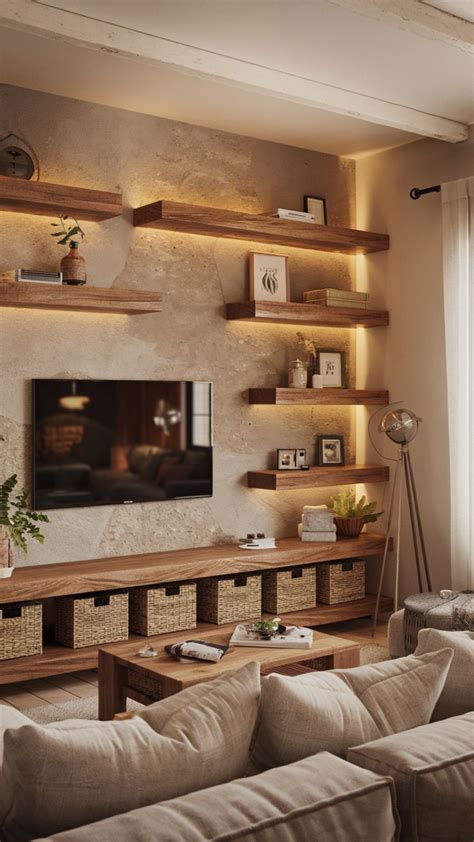
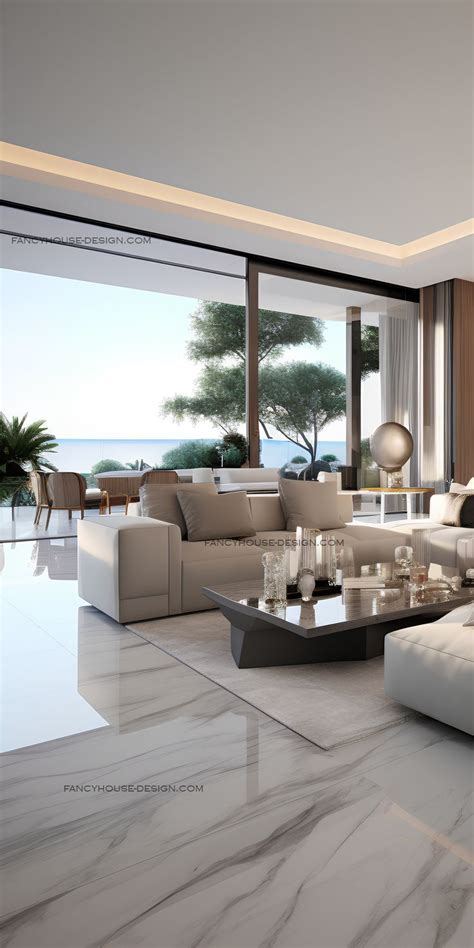
When a room feels flat or uninspired, the missing ingredient is rarely color; rather, it is usually a lack of tactile variety. Introducing a rich mix of materials adds immediate architectural interest and warmth to standard drywall and neutral flooring common in many American residences. Consider pairing smooth, polished surfaces like marble coffee tables or brushed brass lighting fixtures with heavier, organic textures such as rough-hewn oak, woven rattan, and heavy linen drapery.
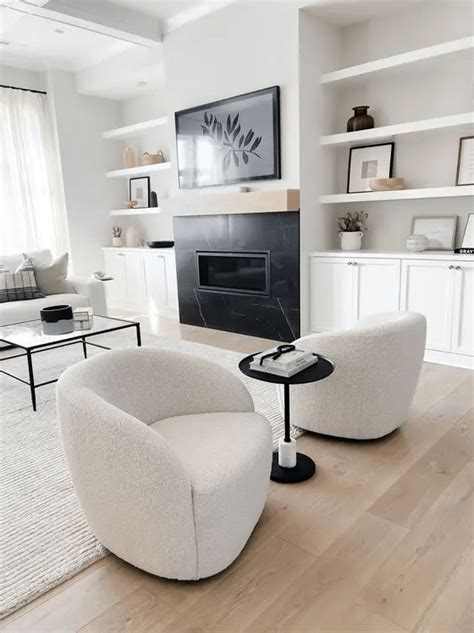
For instance, layering a soft bouclé armchair next to a sleek wooden side table creates a dynamic contrast that draws the eye and invites physical touch. In the bedroom, combining quilted cotton coverlets with chunky knit throws and smooth velvet accent pillows builds a luxurious, hotel-inspired bedscape. This design strategy works exceptionally well in neutral color palettes, where the interplay of different fabrics and finishes prevents the space from feeling sterile or monochromatic.
Balancing Softness and Structure
Achieving a harmonious room layout requires an intentional equilibrium between soft textiles and rigid architectural lines. If a living room features boxy upholstery and clean-lined shelving units, softening those edges with a circular jute rug or an arched floor lamp prevents the space from feeling overly rigid. Conversely, if your furniture leans heavily toward curved silhouettes and plush cushions, anchoring the arrangement with a structured wooden media console or a geometric metal coffee table adds necessary visual gravity.
Incorporating Warm Metals and Natural Woods
The choice of hardware and accent materials significantly influences the psychological temperature of a room. Cool chrome can sometimes feel clinical, which is why many contemporary U.S. interiors lean toward warm brass, aged bronze, and matte black hardware to ground a space. Pairing these metallic accents with warm-toned woods like walnut, white oak, or teak creates a timeless foundation that adapts easily as your personal decor preferences evolve over the seasons.
Optimizing Layouts for Function and Flow
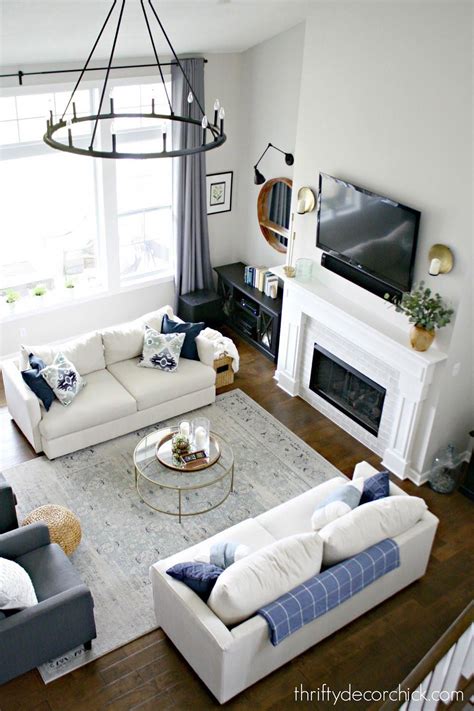
Spatial planning remains one of the most powerful tools in interior design, yet it costs nothing to implement. Standard American floor plans often feature open-concept living areas or compact apartment footprints that require deliberate zoning. Rather than pushing every piece of furniture against the perimeter walls—a common tendency in smaller rooms—try floating your primary seating group away from the walls to create a more intimate conversational zone.
In open-concept layouts, use area rugs, console tables positioned behind sofas, or strategic lighting placements to visually delineate different functions, such as separating a dining nook from the main living area. This approach enhances traffic flow and makes multi-purpose rooms feel organized rather than cluttered. Always ensure there is a clear, unobstructed pathway from entryways to primary seating arrangements to maintain a sense of calm and accessibility.
Smart Solutions for Compact U.S. Apartments
Living in a metropolitan apartment often means maximizing every square foot without sacrificing style. Multi-functional furniture, such as storage ottomans, extendable dining tables, and nesting coffee tables, provides incredible versatility for smaller footprints. Additionally, looking upward by installing floor-to-ceiling shelving or hanging wall art vertically draws the eye upward, making standard-height ceilings feel more expansive and open.
Curating Lighting Layers for Versatility
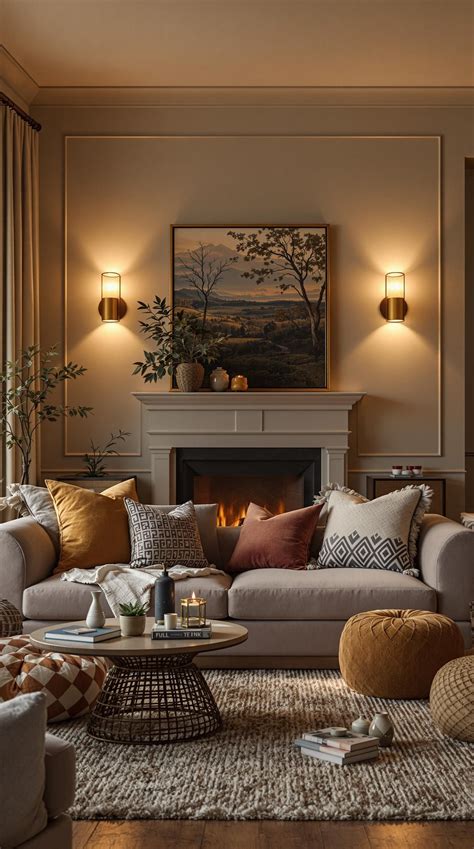
Overhead lighting alone rarely creates a welcoming atmosphere. Relying entirely on a single ceiling fixture can cast harsh shadows and make even the most beautifully decorated room feel stark. A well-designed lighting scheme incorporates three distinct layers: ambient lighting for general illumination, task lighting for specific activities like reading or cooking, and accent lighting to highlight architectural features or artwork.
Introduce warmth and flexibility by incorporating dimmable floor lamps, sculptural table lamps on sideboards, and wall sconces that eliminate the need for surface cords—a great trick for renters who cannot hardwire new fixtures. Warm color temperatures, typically between 2700K and 3000K, render skin tones naturally and make living spaces feel cozy and inviting during evening hours.
Sustainable and Vintage Integration
Modern interior design increasingly values sustainability and individuality over mass-produced uniformity. Blending vintage or antique pieces with contemporary furniture infuses a home with character and tells a story that catalog-order rooms simply cannot replicate. Scouring local flea markets, estate sales, or vintage shops for a mid-century media cabinet, a rustic wooden bench, or brass candlesticks adds an authentic layer of history to your decor.
When mixing eras, the secret to maintaining a cohesive look is to find a unifying element, such as a consistent wood tone, a repeated metallic finish, or a cohesive color palette. This thoughtful juxtaposition ensures your home feels collected over time rather than chaotic, supporting a sustainable lifestyle while establishing a truly unique aesthetic signature.
Frequently Asked Questions
How can I update my home decor without undergoing a major renovation?
You can easily refresh your space through surface-level updates such as changing out throw pillows, layering rugs, upgrading cabinet hardware, hanging new artwork, and rearranging existing furniture to improve traffic flow and visual balance.
What are the current interior design trends for U.S. homes?
Current trends focus on tactile richness through materials like bouclé, warm woods, and brushed brass, alongside sustainable vintage pieces, layered lighting schemes, and calming, nature-inspired neutral color palettes.
How do I style a small apartment without making it feel cluttered?
Prioritize multi-functional furniture, utilize vertical wall space for storage and decor, float furniture slightly away from walls when possible, and keep surfaces relatively edited to maintain a sense of openness and calm.
Are these decor ideas suitable for rental properties?
Yes, the vast majority of these ideas—such as modular furniture placement, plug-in wall sconces, textile layering, and freestanding accent pieces—are entirely renter-friendly and require no permanent structural modifications.