Gray tile remains a cornerstone of modern interior design across American homes, offering an exceptional balance of neutrality, durability, and visual sophistication. Whether you are remodeling a compact powder room in a historic urban apartment or installing an expansive floor layout in a newly constructed suburban residence, gray tile adapts effortlessly to shifting design trends. Because gray sits comfortably between stark white and heavy black, it serves as a versatile canvas that complements warm wooden tones, sleek metal fixtures, and colorful cabinetry alike. Understanding how different shades, finishes, and layout patterns interact with natural and artificial lighting is the key to creating a cohesive, professionally styled space.
Navigating Shades of Gray: Cool Tones Versus Warm Undertones
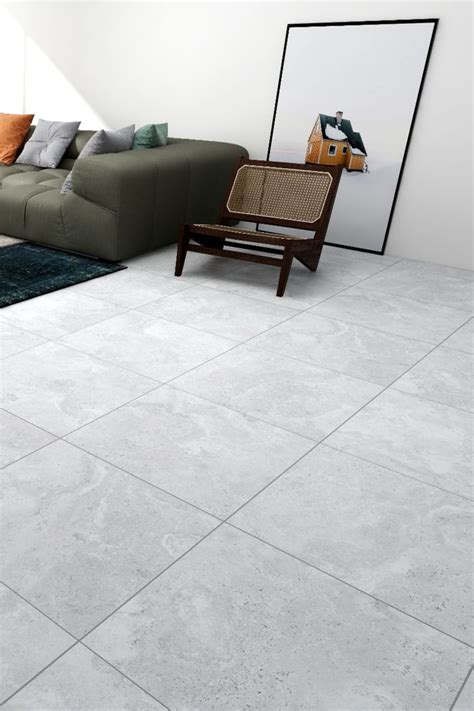
Choosing the right shade of gray requires looking closely at the tile’s underlying temperature and how it responds to interior illumination. Cool gray tiles often feature subtle blue, green, or crisp silver undertones that naturally brighten smaller spaces by reflecting light. These cooler hues pair exceptionally well with bright white trim, polished chrome fixtures, and minimalist quartz countertops commonly found in contemporary U.S. kitchens and bathrooms. However, in rooms with limited natural sunlight, cool grays can occasionally feel stark if they are not balanced with warm textures like woven textiles or natural wood accents.
On the other hand, warm grays incorporate beige, taupe, or soft brown undertones, creating an inviting, earthier ambiance. These greige and warm charcoal shades harmonize beautifully with natural wood cabinetry, brass or matte black hardware, and warm ambient lighting. When evaluating tile samples, always view them in the actual room where they will be installed, as surrounding wall colors and window orientations can dramatically shift how undertones appear throughout the day. Taking time to test sample boards against cabinets and flooring saves homeowners from costly color mismatches once the permanent installation is complete.
Transforming Bathroom Spaces with Gray Tile
Bathrooms present an ideal opportunity to experiment with various gray tile shapes, sizes, and tactile textures. In smaller guest bathrooms, light gray large-format wall tiles can visually expand the perimeter by minimizing grout lines, creating a seamless and airy backdrop that makes tight quarters feel expansive. For master en-suites, introducing a textured gray stone-look tile inside the walk-in shower or along an accent vanity wall adds tactile depth without overwhelming the senses. Balancing smooth porcelain tiles with textured stone elements ensures the room remains visually engaging and rich in character.
Selecting Shower Floor and Wall Combinations
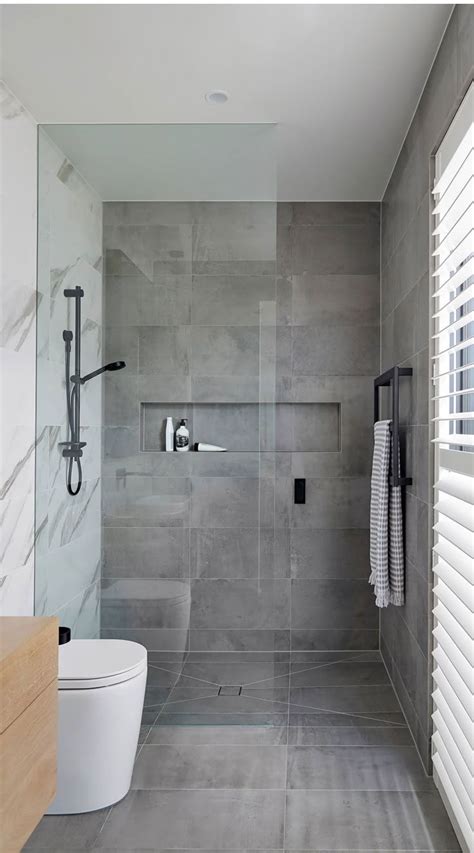
To maintain safety and aesthetic harmony in wet areas, homeowners often pair large gray wall tiles with smaller-format mosaic tiles on the shower floor. Hexagonal or penny-round gray tiles provide essential slip resistance due to the increased concentration of grout joints, which create natural traction underfoot. Meanwhile, maintaining a consistent color palette between the main bathroom floor and the shower stall creates a unified, spa-like sanctuary that feels intentional and luxurious. When planning slopes toward the drain, smaller mosaics allow installers to contour the shower pan smoothly without awkward cuts or lippage.
Modern Kitchen Backsplashes and Durable Flooring
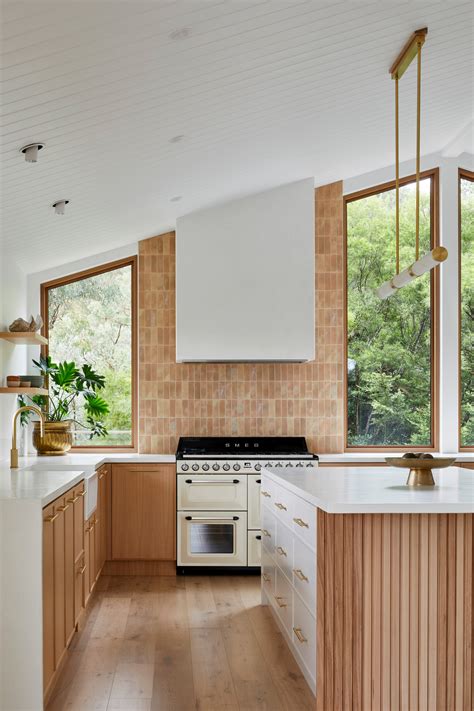
The kitchen is the hardworking heart of the home, demanding surfaces that withstand daily moisture, heat, and heavy foot traffic. A gray tile backsplash protects walls from splashes while tying together upper and lower cabinetry. Glossy ceramic subway tiles in soft gray reflect light across countertops, whereas handmade zellige-style tiles introduce organic variation and subtle sheen that catches natural window light. Pairing these vertical treatments with thoughtful under-cabinet lighting enhances the nuanced glaze and depth of the tile work.
For kitchen flooring, porcelain gray tiles offer unmatched durability and easy maintenance compared to traditional hardwood. Wood-look gray porcelain planks provide the rustic charm of weathered timber combined with the waterproof resilience of ceramic. When designing high-traffic cooking zones, selecting a matte finish with a favorable slip-resistance rating helps prevent slips while masking everyday dust and minor scuffs between cleanings. Choosing rectified edges also allows for ultra-tight grout joints, resulting in a cleaner, more contemporary kitchen floor.
Creating Cohesive Living Spaces with Large-Format Floor Tiles
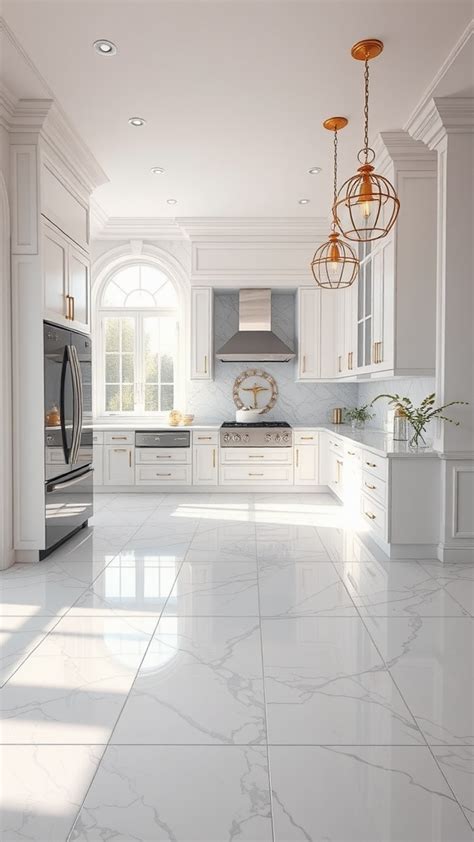
Extending gray tile beyond wet zones into open-concept living areas and hallways establishes visual continuity throughout the entire residence. Large-format porcelain tiles measuring 24×24 inches or larger reduce visual clutter, making open-plan American homes feel even more expansive. Concrete-look gray tiles lend an industrial-modern edge to urban lofts, while subtle marble-veined gray porcelain brings classic elegance to traditional suburban foyers. Proper subfloor preparation, including uncoupling membranes, is essential with large formats to prevent cracking over time.
When planning a whole-home flooring installation, consider transitions between rooms with different natural light levels. Rooms facing north benefit from lighter, warmer gray tiles to counteract cooler natural light, while sun-drenched southern exposure rooms can easily support deeper charcoal tones without feeling dark or cramped. Establishing clean transition strips where tile meets hardwood or carpet ensures a professional, polished finish that bridges different functional zones seamlessly.
Essential Installation, Grout Selection, and Maintenance Practices
Achieving a professional look with gray tile relies heavily on precise installation techniques, thoughtful grout selection, and proper post-installation care. Before laying the first tile, dry-fitting layouts helps avoid awkward narrow cuts at corners or doorways. Using a quality leveling system ensures that large-format tiles remain flat and free of lippage. When selecting grout, matching the grout color to the tile creates a seamless, monolithic appearance, whereas contrasting grout highlights geometric patterns like herringbone or subway arrangements.
For high-moisture areas like showers and backsplashes, specifying a high-performance epoxy or polymer-modified cement grout helps resist stains, mold, and mildew. Once installed, sealing porous natural stone gray tiles protects them from oils and hard-water staining, while glazed porcelain requires minimal sealing beyond regular cleaning with pH-neutral solutions. Avoiding harsh acidic cleaners preserves both the tile glaze and the grout integrity, ensuring your gray tile surfaces maintain their showroom finish for years to come.
Frequently Asked Questions
What are the best shades of gray for small versus large modern bathrooms?
Light cool grays are generally best for small bathrooms because they reflect light and make compact spaces feel larger. In contrast, large bathrooms can easily handle medium to dark charcoal grays, which add drama, cozy depth, and a luxurious spa-like atmosphere.
How do you choose between matte and polished gray tiles for kitchens?
Matte gray tiles offer better slip resistance and hide dust and footprints more effectively, making them ideal for busy kitchen floors. Polished gray tiles reflect light and wipe clean easily, making them a popular choice for vertical surfaces like kitchen backsplashes.
What tile patterns work best with gray tiles?
Classic subway patterns offer timeless appeal, while herringbone and chevron layouts add dynamic movement to feature walls and entryways. Geometric patterns like hexagons and arabesque bring modern personality to shower niches and smaller accent floors.
How can gray tile help unify an open-concept home?
Using a consistent gray tile format or color family across the kitchen, entryways, and adjacent hallways creates an uninterrupted visual flow, making different functional zones feel purposefully connected.
What grout color works best with gray tiles?
The ideal grout color depends on your design goals. Matching grout to the tile shade creates a seamless, modern expanse, while darker charcoal or black grout provides striking definition for geometric patterns. For easy maintenance in high-traffic zones, stain-resistant epoxy grouts are frequently recommended.