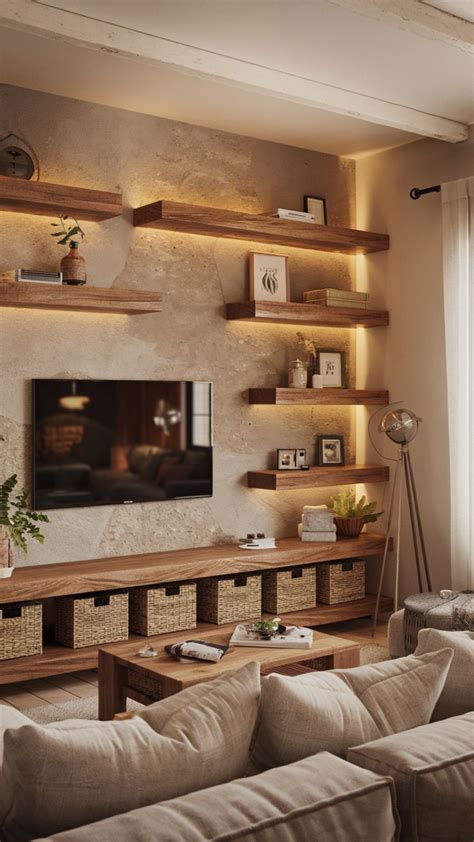
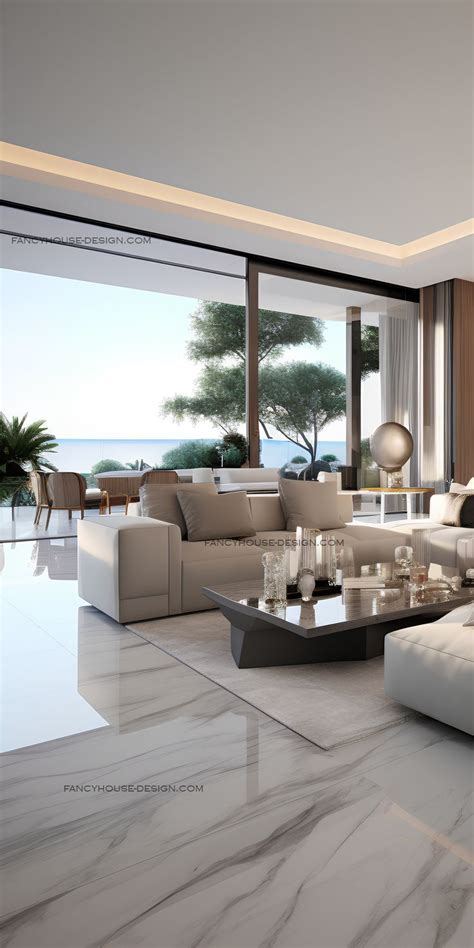
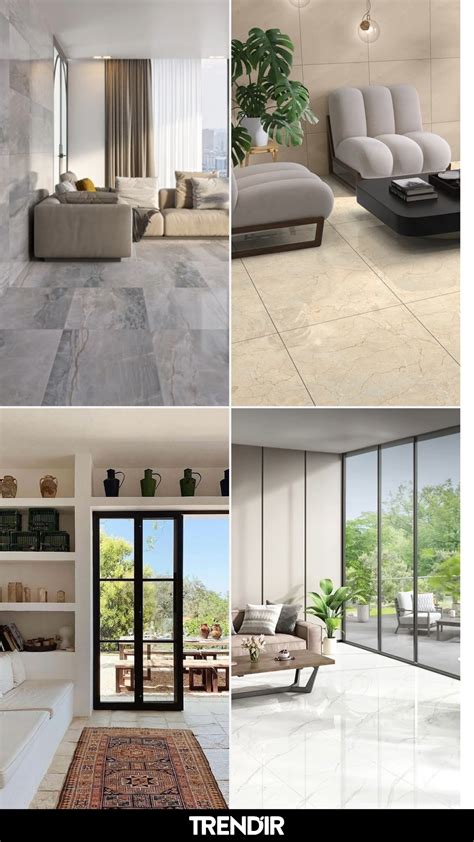
Grey tile flooring is exceptionally durable, low-maintenance, and visually sleek, making it a popular choice for modern living spaces. However, its sleek undertones and hard surface can sometimes make a room feel austere, chilly, or acoustically harsh. If you are staring at a cool expanse of stone, porcelain, or ceramic flooring and wondering how to cultivate a comfortable atmosphere, you do not need to embark on a messy and expensive renovation. Instead, you can completely redefine the mood of the space through deliberate decorative choices.
Transforming a cool, hard-surface room into an inviting sanctuary relies on sensory balance. By deliberately introducing plush textiles, organic warmth, ambient illumination, and grounding colors, you offset the coolness of the tile. Whether you are working with soft dove grey, charcoal slate, or cool industrial concrete-look tiles, the following strategies will help you achieve a balanced, comfortable living room environment.
Anchor the Space with Strategic Rug Layering
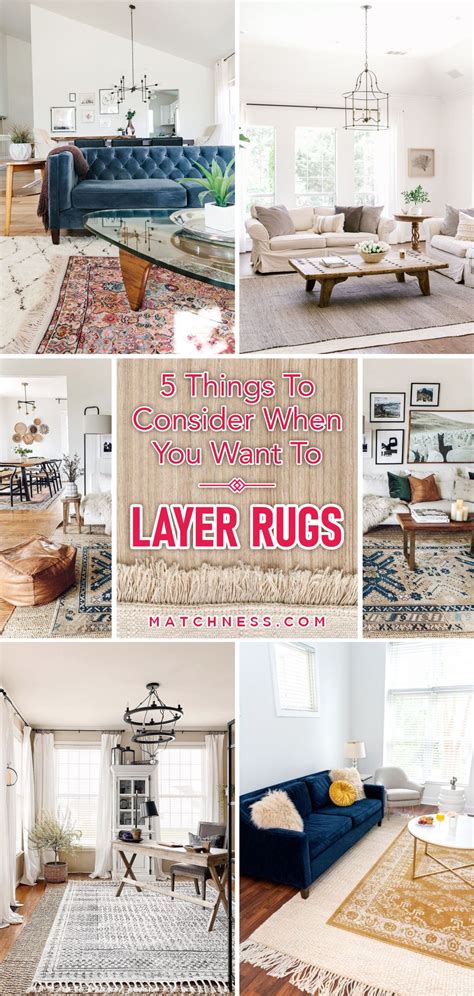
The fastest way to eliminate the chilly feel of tile underfoot is to cover a substantial portion of it with soft floor coverings. When styling a grey tile living room, a single standard rug often looks lost or fails to provide enough textural padding. Rug layering offers a sophisticated solution that adds both physical insulation and rich visual depth to the room.
Start with a large, neutral jute, sisal, or low-pile flatweave rug as your base layer. Jute and seagrass bring a natural, earthy texture that immediately counteracts the manufactured feel of ceramic or porcelain tile. Over this larger base, place a smaller, ultra-plush vintage-style or high-pile wool rug underneath your coffee table and primary seating area. This combination not only protects your feet from cold surfaces but also introduces an intentional, designer-curated aesthetic.
Incorporate Warm Color Palettes and Contrasting Tones
Grey is famously versatile, acting as a neutral backdrop that accommodates a wide array of color schemes. To combat coolness, lean toward an earthy or warm color palette for your walls, upholstery, and decorative accents. Shades like terracotta, burnt orange, mustard yellow, warm camel, and rich olive green provide a striking, cozy contrast to cool grey floors.
If you prefer a neutral palette rather than bold saturated colors, focus on warm creams, creamy ivories, oatmeal, and rich taupes. These shades soften the visual temperature of the room without making it feel overly bright or colorful. Integrating these tones through throw pillows, drapery, and artwork creates a cohesive gradient that draws the eye upward and softens the dominance of the grey floor.
Layer Ambient and Warm-Toned Lighting
Lighting plays a massive psychological role in how warm or cold a room feels. Standard overhead lighting, especially cool-toned LED bulbs, can bounce off grey tiles and create a clinical, uninviting ambiance. To fix this, eliminate harsh overhead lights in favor of layered, lower-level illumination sources.
Introduce table lamps with amber or fabric shades, floor lamps with downward-facing warm illumination, and plenty of candles grouped on coffee tables or mantels. Opt for light bulbs with a color temperature between 2400K and 2700K, which emit a soft, golden glow. When this warm light reflects off the subtle sheen of your grey tiles, it creates a luminous, welcoming glow rather than cold, harsh shadows.
Introduce Organic Wood and Natural Elements
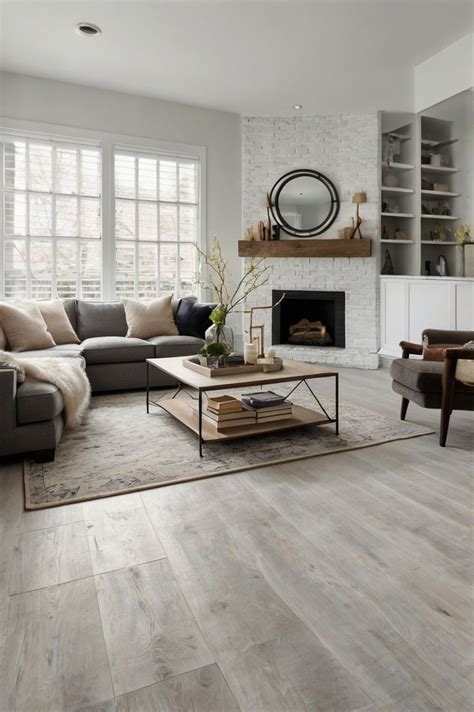
Hard surfaces like tile need to be balanced with organic materials to feel lived-in and comfortable. Wood is your greatest ally when warming up a grey tile living room. Incorporating wooden furniture—such as a rustic oak coffee table, a walnut media console, or side tables with visible wood grain—immediately injects warmth into the space.
Beyond furniture, look for smaller natural elements like woven baskets for blanket storage, rattan accent chairs, leather poufs, and lush indoor house plants. Greenery brings life and organic movement into a structured, tiled room, breaking up the rigid lines of floor grout and sharp corners. A large fiddle leaf fig or a cluster of trailing pothos plants can entirely change the energy of the room.
Choose Tactile Upholstery and Soft Furnishings
The fabrics you select for your sofas, armchairs, and window treatments contribute heavily to the acoustic and physical comfort of a tile-floored room. Tile surfaces reflect sound, which can make a living room feel echoey and cold. Soft, heavy fabrics absorb sound and create a snug atmosphere.
Opt for sofas upholstered in textured bouclé, heavy linen, corduroy, or rich velvet rather than sleek leather or slick microfiber. Layer the backs of your seating with chunky knit blankets, quilted throws, and pillows featuring varied textures like faux fur, wool, and embroidery. For your windows, floor-to-ceiling linen or velvet drapes not only frame the room beautifully but also soften the hard vertical lines where the walls meet the tiled floor.
Frequently Asked Questions
How can I make grey tile look warm instead of cold?
To make grey tile look warmer, focus on introducing contrasting textures and warm colors. Layering large natural fiber rugs, adding wood furniture, using warm-toned lighting (2400K–2700K), and decorating with earthy tones like terracotta, beige, and mustard will instantly neutralize the coolness of the tile.
What kind of rug is best for a grey tile living room?
Natural fiber rugs like jute or sisal make fantastic base layers because they bring organic warmth. Layering a plush wool, vintage-style, or high-pile rug on top adds the necessary underfoot comfort and visual depth needed to balance hard tile flooring.
Which wall colors pair best with grey floor tiles to create warmth?
Warm neutrals such as creamy white, warm beige, greige, and soft taupe create a cozy backdrop for grey floors. If you want more color, earthy hues like warm terracotta, muted olive green, and mustard yellow provide a welcoming contrast.
How do I add warmth to a room without replacing the flooring?
You can successfully warm up a tiled room without replacing the floors by focusing on soft furnishings, layered lighting, textiles, and organic elements. Rugs, heavy drapes, wooden accent furniture, pillows, and plants all work together to absorb cool tones and create a cozy living space.