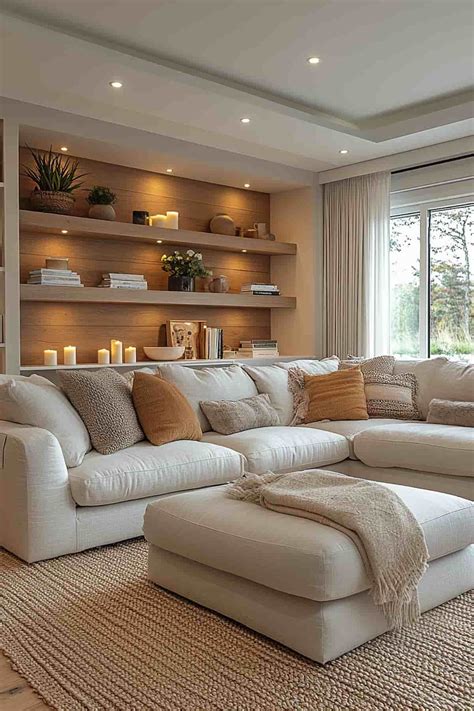
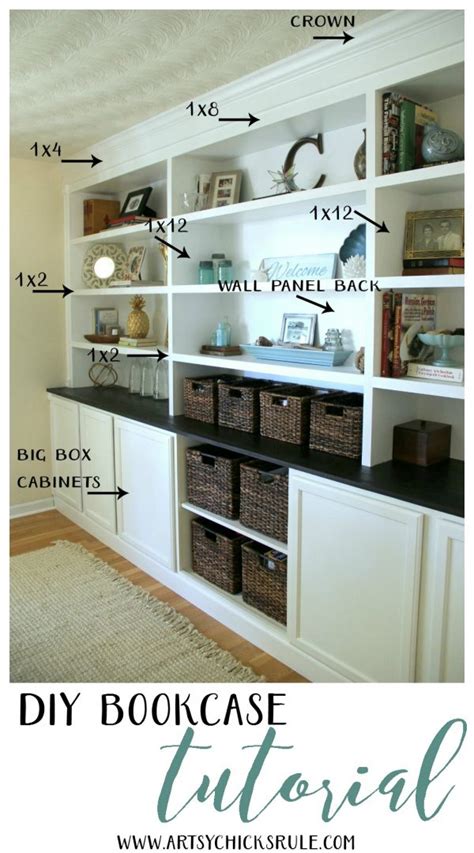
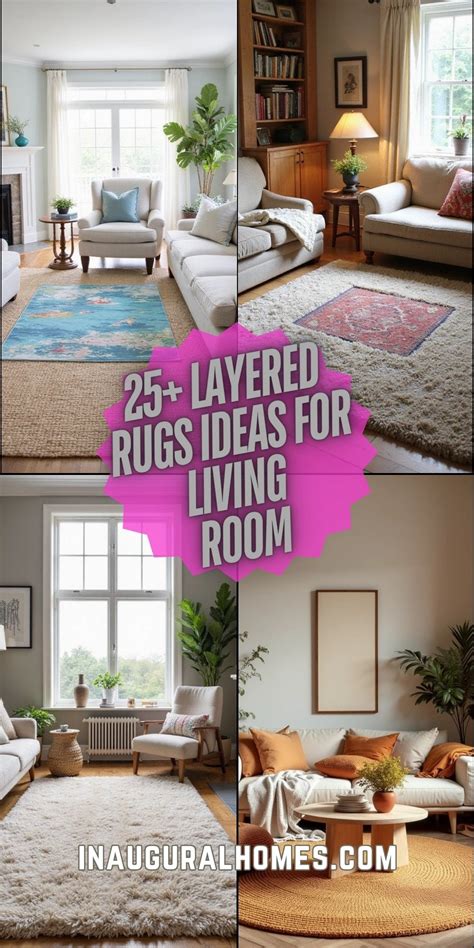
Decorating an apartment often feels like a puzzle with constantly shifting boundaries. Whether you are leasing a compact urban studio or settling into a multi-room suburban rental, working within a restricted footprint requires a balance of spatial strategy and personal expression. Many residents struggle to make temporary spaces feel like permanent homes without violating lease agreements or creating cluttered, cramped environments. Fortunately, achieving a deeply personalized interior does not demand major structural renovations or expensive custom builds.
By shifting your focus toward flexible layouts, removable hardware, and multifunctional furnishings, you can transform a standard apartment into a curated sanctuary. The key is understanding how to manipulate visual weight, harness vertical space, and curate belongings intentionally. This guide explores practical design principles tailored specifically for apartment living, helping you maximize your square footage while showcasing your unique aesthetic.
Mastering the Layout and Enhancing Traffic Flow
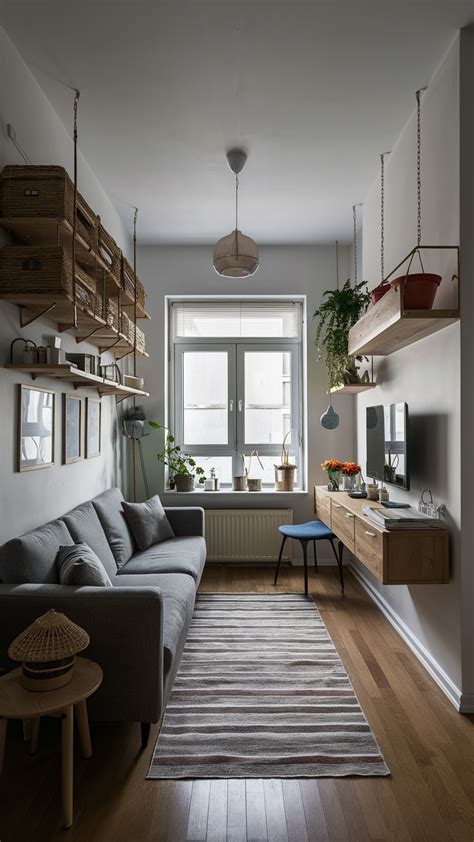
The foundation of any successful small-space design begins with furniture placement and clear traffic patterns. In an apartment, pushing every piece of furniture against the perimeter walls often has the counterproductive effect of making the room feel sterile and disjointed. Instead, floating major pieces slightly away from the walls can create breathing room and establish distinct functional zones within an open-concept floor plan.
When planning your layout, evaluate how you actually move through the space during a typical day. Keep primary pathways unobstructed by choosing appropriately scaled furniture rather than oversized statement pieces that overpower the room. Utilizing low-profile seating and glass-topped or acrylic tables can also trick the eye into seeing more floor space, maintaining an open and airy atmosphere throughout the living area.
Creating Defined Zones in Open-Plan Apartments
Open-concept apartments offer wonderful natural light and flexibility, but they can easily lack definition. To counteract this, use area rugs to anchor specific zones, such as placing a textured rug beneath the living room seating arrangement separate from the dining nook. Positioning the back of a sofa toward a dining area or workspace naturally divides the room without blocking light or sightlines.
Visual Tricks to Alter Proportions and Ceiling Heights
If your apartment features low ceilings or boxy proportions, vertical design elements can completely alter the perception of the room. Hang curtain rods just a few inches below the ceiling line and use floor-length drapery to draw the eye upward, instantly making walls feel taller. Additionally, incorporating strategic mirrors opposite windows will bounce natural daylight deeper into the room, expanding the perceived volume of tight spaces.
Rental-Friendly Upgrades That Personalize Your Walls and Lighting
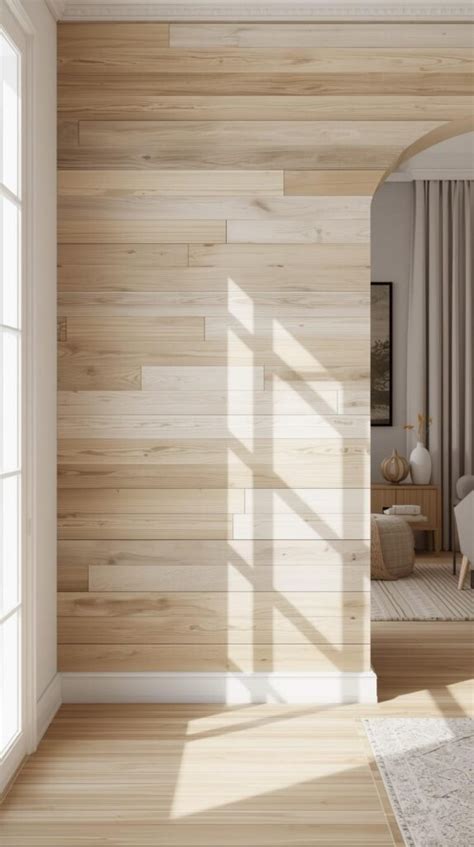
Lease agreements frequently prohibit painting walls or replacing permanent light fixtures, but this does not mean you are trapped with stark white walls and harsh overhead lighting. Modern product innovations have introduced an array of temporary, damage-free alternatives that allow you to customize your environment completely. These changes can be easily reversed when it is time to move out.
Investing time in non-permanent upgrades yields a massive return on emotional investment, making your temporary residence genuinely feel like your own. From renter-safe adhesive picture hangers to clever lighting hacks, subtle adjustments can dramatically shift the mood and character of your apartment rooms.
Swapping Standard Fixtures for Statement Lighting
Standard builder-grade flush-mount lights rarely contribute positively to room ambiance. While rewiring is often restricted, you can easily remove existing shades and store them safely in a closet, replacing them with renter-friendly pendant lights or plug-in wall sconces. For spaces lacking overhead wiring entirely, utilize battery-operated LED bulbs inside stylish lamp bases or harness smart plug systems to create layered, warm lighting schemes.
Applying Removable Wallpaper and Decals
Peel-and-stick wallpaper has revolutionized apartment decorating. Whether you choose to line a small entryway, accent a bedroom headboard wall, or upgrade the inside of a bookshelf, patterned adhesive paper injects personality without requiring a paint scraper later. Take your time during installation using a smoothing tool to prevent air bubbles, and always test a small swatch in a hidden corner to ensure the adhesive is compatible with your specific wall texture.
Selecting Multifunctional Furniture for Maximum Efficiency
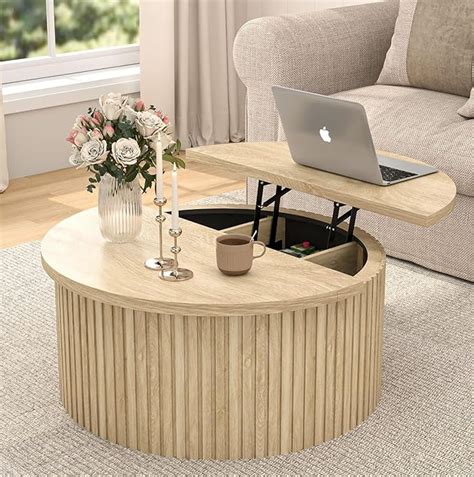
In smaller homes, every single piece of furniture needs to justify its footprint. Prioritizing multifunctional pieces ensures that your apartment remains organized and uncluttered without sacrificing comfort or style. Look for items that cleverly conceal storage or adapt to multiple uses throughout your daily routine.
Dual-purpose furnishings are especially valuable in studio apartments or one-bedroom units where a living room might occasionally need to double as a guest bedroom or home office. Choosing flexible designs prevents room fatigue and keeps your living environment adaptable to changing needs.
Coffee Tables and Ottomans with Hidden Storage
A lift-top coffee table serves as a traditional surface for morning coffee while instantly elevating into a comfortable laptop workspace or dining table. Paired with hollow storage ottomans that can double as extra seating when friends visit, these pieces keep clutter out of sight. Store extra throw blankets, board games, or electronic accessories inside to maintain clean, serene surfaces.
Modular and Scalable Seating Solutions
Traditional bulky sectionals can permanently lock you into a single room arrangement. Modular sofas and armchairs allow you to reconfigure your seating layout as your lifestyle shifts or when you move to a new apartment with entirely different dimensions. Selecting pieces with exposed legs also lets light flow underneath, reducing the visual heaviness of the furniture.
Curating Textiles, Art, and Personal Collections
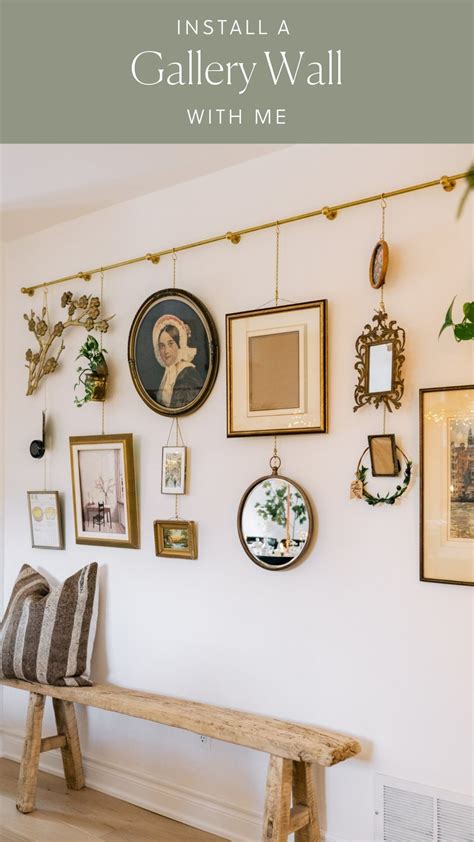
Once the layout and larger furnishings are established, layering textiles and personal collections brings warmth and emotional resonance to your space. Apartment walls and hard flooring can sometimes echo sound and feel cold; introducing soft elements instantly absorbs noise and introduces tactile comfort.
Instead of displaying every item you own at once, curate your personal collections thoughtfully. Rotating seasonal artwork, displaying favorite books, and incorporating meaningful textiles will keep your decor fresh and deeply personal.
Hanging Art Without Damaging Drywall
Creating a gallery wall is an exceptional way to display personality, but hammering dozens of nails is rarely an option for renters. Heavy-duty adhesive strips and specialized mini-hooks rated for drywall provide secure holds for framed prints, mirrors, and canvases. Lay out your gallery arrangement on the floor first to test composition before transferring the design to the wall.
Layering Rugs, Throws, and Curtains for Texture
Mixing textiles prevents a room from feeling flat. Layer a smaller, patterned vintage rug over a neutral jute base rug to ground a seating area with depth and character. Combine chunky knit throw blankets, velvet accent pillows, and linen drapery to introduce rich tactile variety, creating a cozy and inviting atmosphere.
Frequently Asked Questions
How can I decorate a small apartment without making it feel cramped?
To keep a small apartment feeling open, choose furniture with exposed legs to maintain visible floor space, use multi-functional items like storage ottomans, and avoid blocking windows with heavy furniture. Keeping a cohesive color palette also prevents visual clutter.
What are the best rental-friendly ways to personalize walls?
Peel-and-stick wallpaper, large removable vinyl decals, and heavy-duty adhesive picture hanging strips are ideal for renters. They allow you to add color, texture, and wall art without leaving permanent holes or damaging the landlord’s drywall.
How do I handle poor lighting in a rental apartment?
Combat harsh overhead lighting by using plug-in wall sconces, floor lamps, and table lamps fitted with warm-toned LED bulbs. You can also place mirrors strategically across from windows to multiply natural light throughout the rooms.
Where should I store items in an apartment with zero built-in closets?
Maximize vertical space by installing floating shelves, utilize under-bed storage bins for off-season clothing, and invest in multifunctional furniture like storage benches and bed frames with built-in drawers.