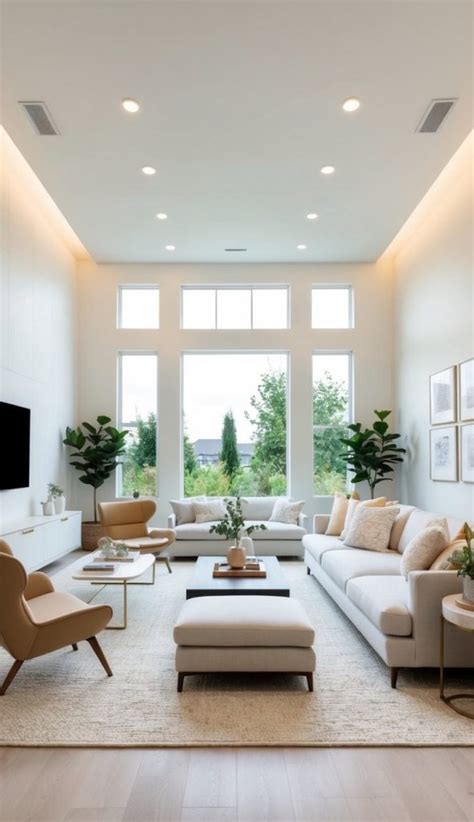
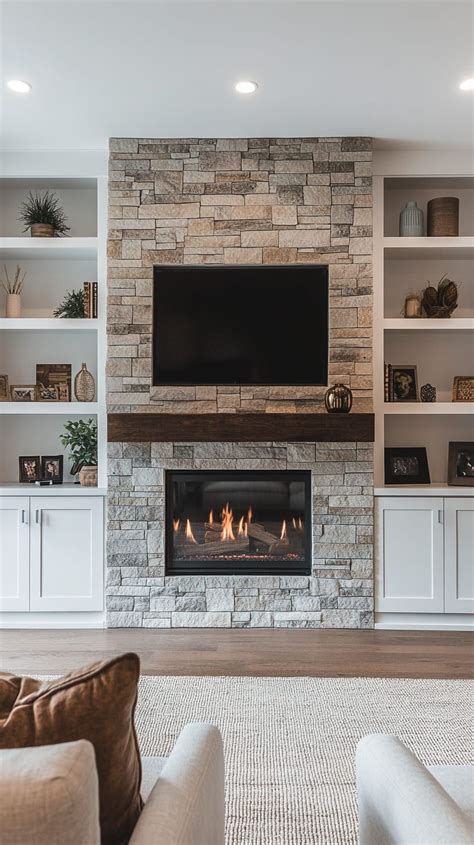
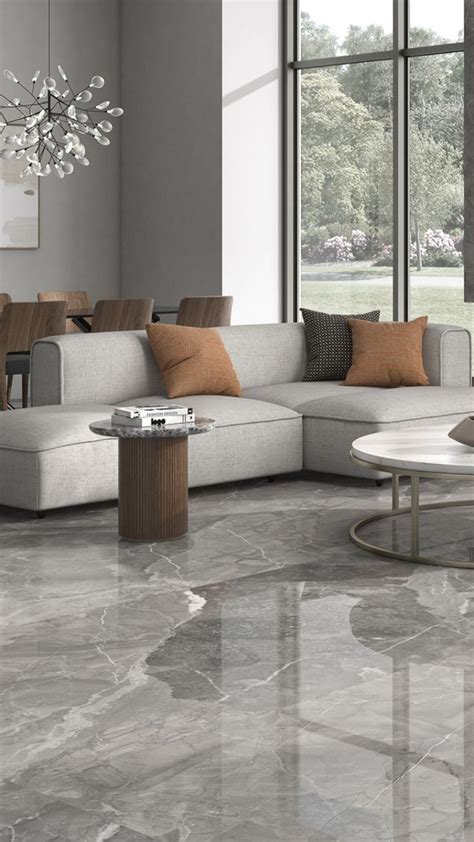
Designing a compact living room in a typical American apartment, condo, or starter home often feels like a daily puzzle. Standard U.S. floor plans frequently present challenges such as awkward traffic pathways, limited closet space, and walls interrupted by radiators, vents, or multiple doorways. When square footage is tight, every single piece of furniture and decor element needs to pull double duty while maintaining an inviting atmosphere. Finding the right balance between comfort, storage, and aesthetic appeal requires thoughtful planning rather than simply scaling down every item you own.
Successfully transforming a small living room means looking beyond standard design rules and embracing creative spatial strategies. Whether you are dealing with a strict rental agreement that forbids painting and drilling holes, or you own a cozy urban home ready for custom built-ins, targeted adjustments can completely alter how a room functions. By focusing on smart layouts, vertical storage, purposeful lighting, and visual tricks, you can turn a cramped layout into a highly functional space tailored to your daily lifestyle.
Smart Layout and Furniture Placement Strategies
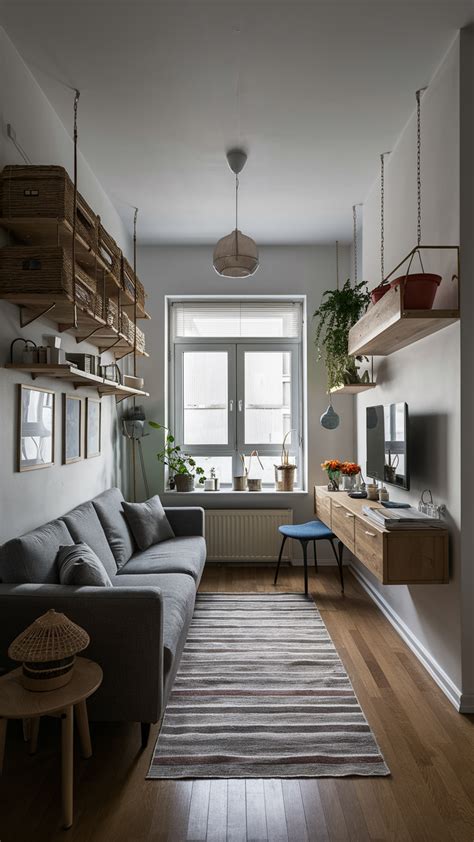
The foundation of any successful small living room design lies in how furniture is arranged within the available footprint. Many homeowners make the mistake of pushing all furniture directly against the perimeter walls, believing it creates an open dance floor in the center. In reality, floating your sofa slightly away from the wall or angling key pieces can foster better traffic flow and make the overall footprint feel surprisingly intentional and balanced.
When selecting seating, opt for items with exposed legs rather than heavy, skirted silhouettes that block light and visual continuity across the floor. Allowing light to pass beneath your furniture tricks the eye into perceiving a larger expanse of space. Additionally, anchor your primary seating group with a properly sized area rug; choosing a rug that is large enough to sit underneath the front legs of your furniture unifies the arrangement instead of cutting the room into choppy visual sections.
12 Essential Layout and Sizing Tips
- Float your sofa: Keep a few inches between the back of the sofa and the wall to create breathing room.
- Choose exposed legs: Sofas and chairs raised on slim legs maintain an airy, open feeling.
- Embrace round coffee tables: Eliminate sharp corners to improve walking paths in tight spaces.
- Use nesting tables: Pull them out when guests arrive and tuck them away when not in use.
- Size your rug correctly: Ensure at least the front legs of your seating rest on the rug.
- Incorporate lucite or glass: Transparent furniture visually disappears and reduces clutter.
- Scale down the TV console: Choose a media unit that matches the width of your TV rather than spanning an entire wall.
- Declutter corners: Keep room corners open to maximize the perception of depth.
- Anchor with low-profile seating: Low-back sofas keep sightlines clear across the room.
- Establish a focal point: Direct attention toward a fireplace, window view, or artwork rather than the television.
- Use a single large statement piece: Avoid filling the room with many tiny accessories; one substantial element feels cleaner.
- Keep pathways clear: Maintain an unobstructed path from entryways to windows.
Multi-Functional and Space-Saving Furniture Solutions
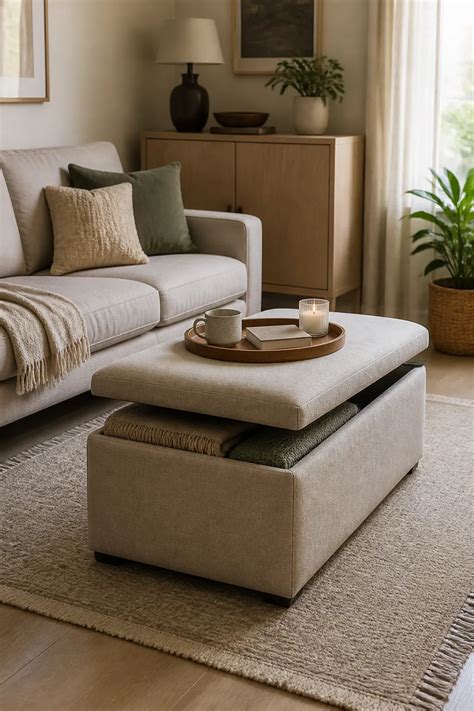
In compact living environments, single-purpose items are luxury space-wasters. Prioritizing multi-functional furniture is one of the most effective ways to maintain comfort without drowning in clutter. A storage ottoman can serve as a footrest, extra seating for visitors, and a hidden compartment for throw blankets and board games.
Similarly, investing in a high-quality sleeper sofa or a daybed allows a living room to double as a guest suite when family or friends stay over. Drop-leaf desks and fold-down wall tables provide temporary workspaces that fold completely flat against the wall at the end of the workday, preserving your living space for relaxation.
14 Dual-Purpose Furniture Ideas
- Storage ottomans: Hide blankets, books, and electronics inside while using the top as a seat or tray table.
- Sleeper sofas: Accommodate overnight guests without needing a dedicated guest bedroom.
- Lift-top coffee tables: Raise the tabletop to create an impromptu dining or laptop workspace.
- C-tables: Slide these slim tables over sofa arms to hold drinks or a tablet.
- Storage benches: Place them beneath windows to combine seating with closed storage.
- Nesting accent tables: Stack multiple tables together to save floor space during the week.
- Console desks: Use a slim console table behind the sofa as a workspace.
- Storage benches as media units: Store media equipment inside a low bench beneath the screen.
- Modular sectionals: Reconfigure individual modular pieces to fit shifting spatial needs.
- Drop-leaf side tables: Expand surface area only when entertaining.
- Storage stools: Tuck small stools under a console until needed.
- Daybeds with trundles: Provide dual lounging and sleeping capacities with minimal visual weight.
- Hollow-base coffee tables: Utilize open lower shelves for decorative basket storage.
- Convertible armchairs: Transform a single reading chair into a twin sleeper.
Vertical Storage and Wall-Mounted Innovations
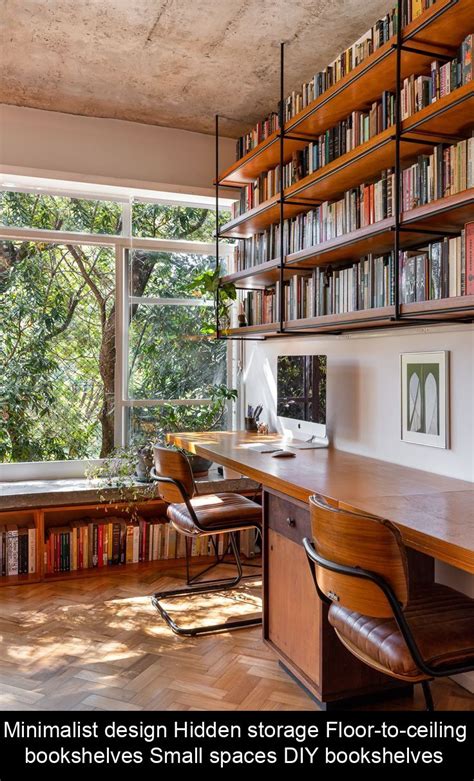
When floor space is severely limited, the only way left to expand is upward. Utilizing vertical wall space draws the eye toward the ceiling, making the entire living room feel taller and more expansive. Wall-mounted shelving units keep books, plants, and decorative objects off the floor and away from precious surface areas.
For renters who cannot anchor heavy shelving into drywall, tension-rod shelving systems or leaning ladder shelves offer stable alternatives that require minimal hardware. Installing tall bookshelves that stretch all the way to the ceiling creates a custom, built-in library look while drawing maximum attention upward.
12 Vertical Storage Hacks
- Floor-to-ceiling bookshelves: Maximize vertical capacity and create a grand architectural feature.
- Wall-mounted media consoles: Free up floor space underneath the TV for a cleaner look.
- Floating ledges for art: Display picture frames without bulky floor-standing cabinets.
- Hanging planters: Suspend greenery from the ceiling or curtain rods to save table space.
- Tall peg rails: Install continuous shaker pegs along a wall for hanging hats, bags, and coats.
- Leaning ladder shelves: Add storage with minimal wall anchoring and a light visual footprint.
- Over-the-door organizers: Adapt hidden areas behind doors for storing smaller items.
- Vertical wire grids: Pin notes, photos, and inspiration without taking up desk space.
- Magnetic knife or tool strips: Repurpose kitchen hardware to organize small metal items in a studio nook.
- Wall-mounted lighting: Replace table lamps with swing-arm sconces to clear end tables.
- Tall architectural mirrors: Mount long mirrors high to reflect maximum light and height.
- Stacked baskets: Hang sturdy baskets vertically on hooks for textured storage.
Lighting and Color Tactics to Expand Visual Space
The strategic use of color and light is a powerful interior design tool that can completely alter the perceived dimensions of a compact room. Lighter color palettes on walls, trim, and large furniture pieces reflect natural light, making boundaries appear to recede. Crisp whites, soft grays, warm beiges, and muted pastels all contribute to an airy atmosphere.
Layered lighting is equally critical in a small room. Relying solely on a single overhead ceiling fixture creates harsh shadows that emphasize compact corners. Instead, combine ambient floor lamps, task lighting, and wall sconces to illuminate different zones and corners, creating depth and dimension.
10 Illumination and Palette Strategies
- Monochromatic color schemes: Use varying tones of a single color to blur room boundaries.
- High-gloss trim: Paint baseboards and moldings in a gloss finish to bounce light around.
- Oversized mirrors: Position a large mirror opposite a window to double incoming natural light.
- Sheer window treatments: Let maximum daylight filter through instead of blocking it with heavy drapes.
- Multi-source lighting: Combine floor lamps, table lamps, and wall sconces to eliminate dark corners.
- Dimmers on all switches: Adjust light intensity easily to create cozy evening atmospheres.
- Curtain placement high and wide: Hang curtain rods near the ceiling and wider than the window frame to make windows look massive.
- Light-reflecting metals: Introduce brass, chrome, or copper accents to catch and scatter light.
- Concealed LED strip lights: Add subtle backlighting behind TVs or shelves for a modern glow.
- Monotone flooring: Keep flooring consistent across connected spaces to enhance flow.
Decluttering and Finishing Touches for Small U.S. Homes
Maintaining a small living room ultimately requires disciplined editing. Even the most clever layout will feel cramped if surfaces are overwhelmed by unnecessary knick-knacks and unorganized piles. Adopting a “one in, one out” rule for decorative objects helps keep your collection curated and meaningful.
When accessorizing, choose fewer, larger items rather than collections of tiny trinkets. A single oversized botanical stem in a ceramic vase makes a bolder, cleaner statement than a dozen small figurines scattered across every available shelf.
10 Streamlining and Styling Tips
- The one-in, one-out rule: Prevent accumulation by letting go of an item whenever you buy a new one.
- Closed storage bins: Use matching woven baskets or boxes to hide loose cables and small items.
- Curated surfaces: Leave at least one-third of every tabletop completely empty for breathing room.
- Large-scale art: Hang one striking canvas instead of a cluttered gallery wall.
- Unified color palettes for accessories: Stick to two or three accent colors to maintain visual calm.
- Multipurpose textiles: Choose heavy knit throw blankets that add texture and double as extra warmth.
- Low-profile electronics: Streamline cable management with discreet sleeves and clips.
- Seasonal rotation: Pack away heavy winter decor when spring arrives to keep things fresh.
- Functional decor: Choose decorative bowls that also hold keys or remotes.
- Minimalist window sills: Keep windowsills clear to maximize natural light penetration.
Frequently Asked Questions
How can I arrange furniture in a tiny living room to make it feel larger?
Start by floating your sofa slightly away from the walls rather than pressing everything against the perimeter. Choose furniture with exposed legs to let light pass underneath, and keep major walking pathways completely unobstructed. Using a round coffee table instead of a rectangular one also helps soften tight traffic routes.
What are the best multi-functional furniture items for small U.S. apartments?
Storage ottomans, lift-top coffee tables, and sleeper sofas are top choices. They provide hidden storage, flexible workspace, and guest bedding without demanding extra floor space in typical compact apartment layouts.
How do I use vertical space effectively in a compact living area?
Install floor-to-ceiling bookshelves, wall-mounted media consoles, and swing-arm wall sconces. By shifting storage and lighting off the floor and up the walls, you draw the eye upward and preserve precious walking room below.
What paint colors and lighting choices make a small room look bigger?
Soft neutrals like warm whites, pale grays, and light beiges reflect natural light and make walls feel expansive. Layer your lighting with floor lamps, table lamps, and dimmers rather than relying on a single overhead fixture to eliminate dark, shrinking shadows.
How do I prevent a small living room from feeling cluttered?
Embrace closed storage like baskets and cabinets to hide small items, keep tabletops partially clear, and swap out collections of tiny trinkets for a few large-scale statement pieces or artwork.