The entryway is the first chapter of your home’s story, setting the tone for everything that follows while handling the heavy lifting of daily life. In typical U.S. floor plans—ranging from compact urban apartments to spacious suburban colonials—this threshold often doubles as a high-traffic drop zone for keys, mail, backpacks, and shoes. Finding the right piece of furniture to manage this everyday clutter without sacrificing aesthetic appeal is essential for maintaining a welcoming atmosphere.
Modern entryway console tables offer the ideal intersection of form and function. By combining clean lines, smart proportions, and integrated storage options, these versatile pieces anchor your foyer and establish a sense of order the moment you walk through the front door. Whether you need a slim profile to clear a swinging door or a substantial cabinet to hide miscellaneous gear, understanding how to choose and style your console table transforms your entryway from a chaotic dumping ground into a curated architectural feature.
Understanding Scale and Proportions in American Entryways
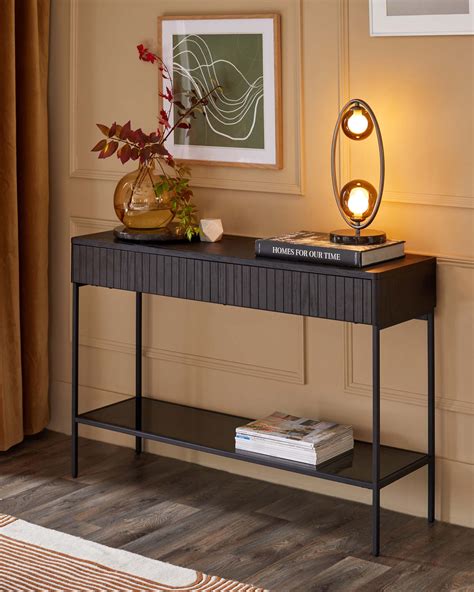
Before falling in love with a particular design, measuring your entryway space accurately prevents frustrating layout mistakes. Standard American hallways and dedicated foyers generally require a console table with a shallow depth—typically between 10 to 15 inches—to ensure unobstructed foot traffic and easy door clearance. Leaving at least 36 inches of clear walkway around the table keeps the entrance feeling open and accessible, especially when multiple people are coming and going at once.
Height is equally important for both visual balance and ergonomic comfort. Most modern console tables stand between 30 and 34 inches tall, which pairs well with standard wall-mounted mirrors and allows for comfortable reach when dropping off keys. If your entryway opens directly into an open-concept living room or dining area, consider how the console’s back looks from the adjacent space. Opting for a finished back or a streamlined metal frame ensures the piece looks intentional from every viewing angle in the house.
Choosing the Right Storage Features for Your Daily Habits
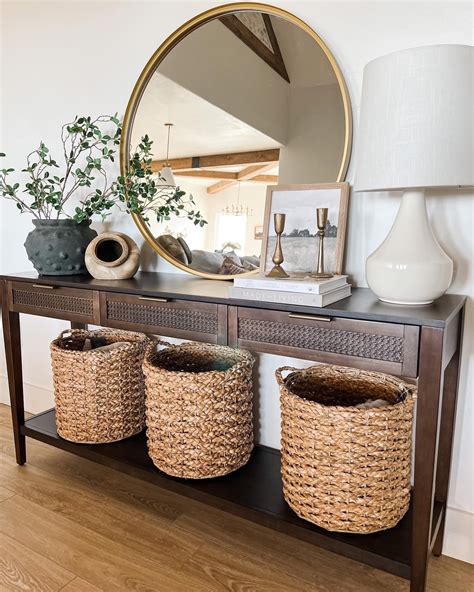
Every household manages a different roster of everyday items, which makes selecting the right storage configuration a critical decision. Console tables featuring built-in drawers provide an effortless way to keep visual clutter completely out of sight. A single long drawer or a duo of shallow compartments can corral mail, sunglasses, notepads, and charging cords, leaving the tabletop clean and serene for decorative accents.
Alternatively, open lower shelves offer fantastic flexibility for baskets, bins, and larger items like folded tote bags or umbrellas. Tucking woven seagrass or metal mesh bins underneath a console table creates designated drop zones for family members to store shoes or seasonal accessories. This tiered approach keeps the floor clear of stray footwear while adding rich texture and warmth to contemporary minimalist designs.
Trending Materials and Finishes for Modern U.S. Homes
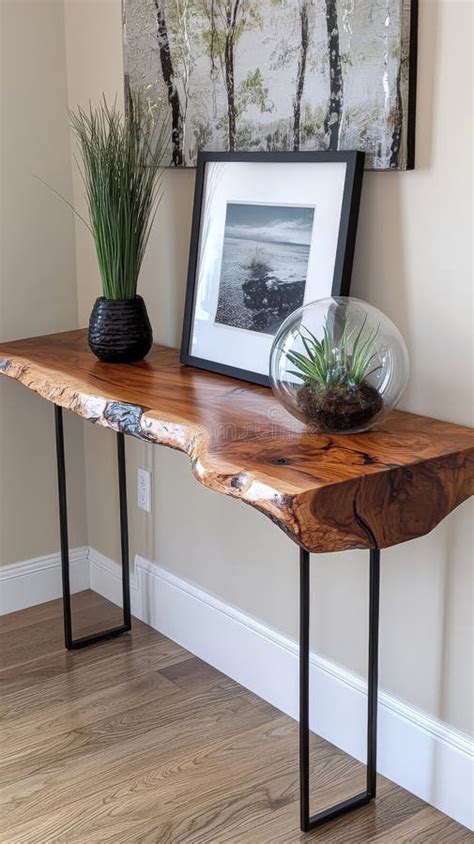
Material selection dictates both the visual character and the long-term durability of your entryway furniture. Solid woods like white oak, walnut, and ash remain enduring favorites in modern American interiors because they introduce organic warmth and tactile grain patterns. These finishes pair exceptionally well with neutral wall colors and complement popular flooring choices ranging from hardwood planks to ceramic tile.
For a sleeker, more industrial or contemporary aesthetic, combinations of powder-coated steel, tempered glass, and marble-look porcelain are widely utilized. Metal-framed consoles provide sturdy support without visually heavy bulk, making them ideal for smaller apartments where maintaining an airy sightline is crucial. Meanwhile, stone and composite tabletops offer high-end style with effortless spill cleanup, resisting the scuffs and moisture common in active family entryways.
How to Style Your Console Table Without Clutter
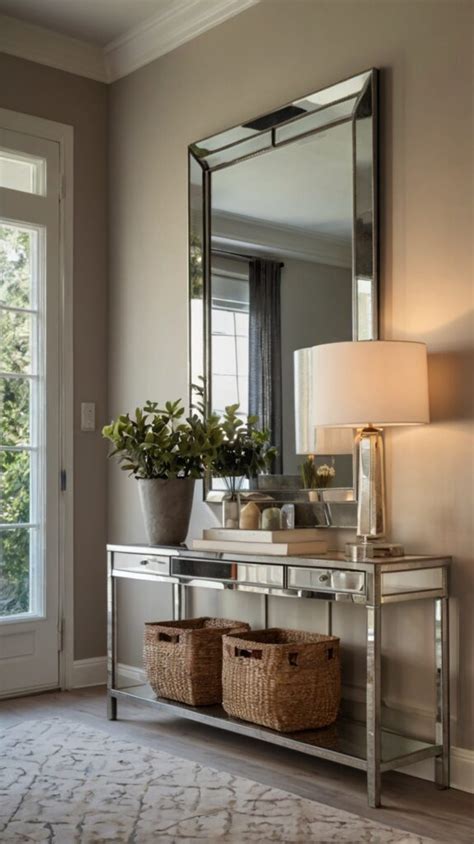
Styling a modern console table is an exercise in intentional editing rather than filling every square inch of surface area. Begin by anchoring one side of the table with a tall vertical element, such as a statement mirror or a minimalist piece of framed art, which draws the eye upward and bounces natural light around the foyer. Balance the vertical weight on the opposite side with a lower horizontal grouping, like a stack of art books topped with a decorative ceramic bowl.
Lighting plays a transformative role in creating a warm greeting, so incorporating a slim table lamp or a rechargeable cordless fixture adds cozy ambient illumination for evening arrivals. Finally, introduce a shallow tray to corral daily essentials like keys and wallets; this keeps small items contained so they register as part of the decor rather than random clutter. By keeping accessories purposeful and leaving some negative space, your console table will maintain its sophisticated, modern edge.
Frequently Asked Questions
What size console table fits a standard U.S. entryway?
For most standard U.S. entryways and hallways, look for a console table with a depth of 10 to 15 inches and a length that matches about two-thirds of the wall it sits against. Always maintain at least 36 inches of clearance around the table for comfortable walking space.
How can I maximize storage if my entryway is very narrow?
To maximize storage in a tight space, choose a console table with a built-in slim drawer or an open lower shelf. Combine the lower shelf with matching woven baskets or bins to store shoes, winter accessories, and dog leashes vertically out of sight.
What are the best materials for high-traffic entryways?
High-traffic areas benefit from durable, easy-to-clean materials like powder-coated metal, tempered glass, and sealed hardwoods or engineered wood with scratch-resistant finishes. Avoid highly porous unsealed stones that stain easily from wet boots or dripping umbrellas.
How do I prevent my entryway console from looking cluttered?
Use functional containers like decorative trays, small ceramic bowls, or lidded boxes to corral everyday items like keys and mail. Limit tabletop decor to three or four balanced items, ensuring you leave some open surface area to maintain a clean, modern aesthetic.