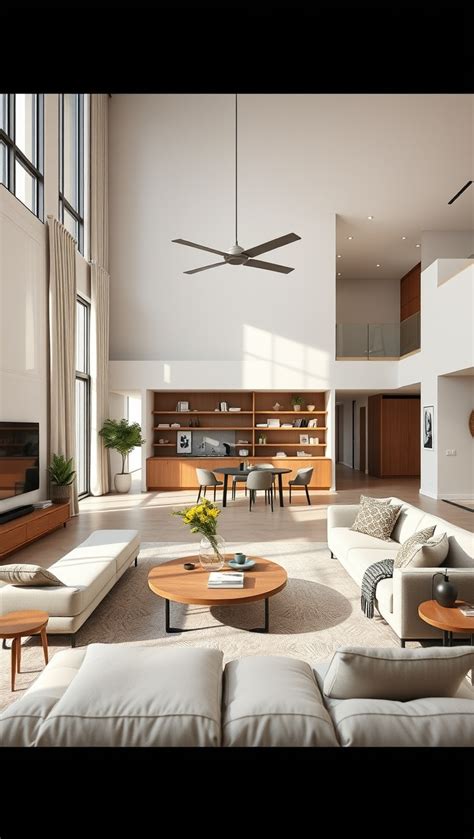
When planning a living room update, choosing the foundational seating pieces is arguably the most impactful decision you will make. Among the vast array of design options available, a well-crafted tufted sofa paired with coordinated upholstered furniture sets brings an immediate sense of tailored elegance and tactile warmth to American living spaces. Whether you reside in a spacious suburban home with an open-concept floor plan or a compact urban apartment where every square foot counts, integrating upholstered pieces requires a thoughtful balance between aesthetic appeal, everyday comfort, and long-term durability.
Navigating the market for quality furniture involves understanding how different tufting styles, fabric compositions, and layout configurations interact with your daily routine. Rather than relying on generic design trends, homeowners and renters alike benefit from evaluating materials based on realistic lifestyle demands, such as high foot traffic, pets, or multi-use family rooms. By focusing on construction quality and cohesive styling, you can build a welcoming, sophisticated living area that stands the test of time.
The Timeless Appeal of Tufted Furniture in Modern U.S. Interiors
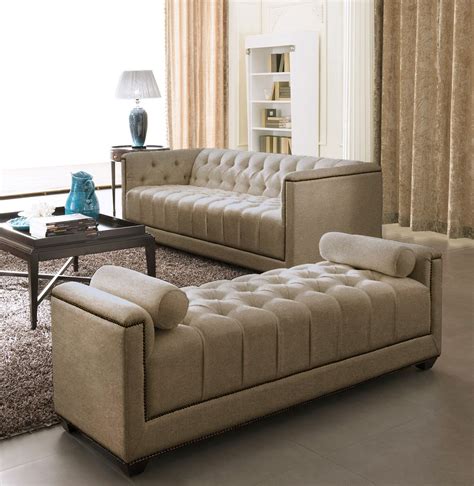
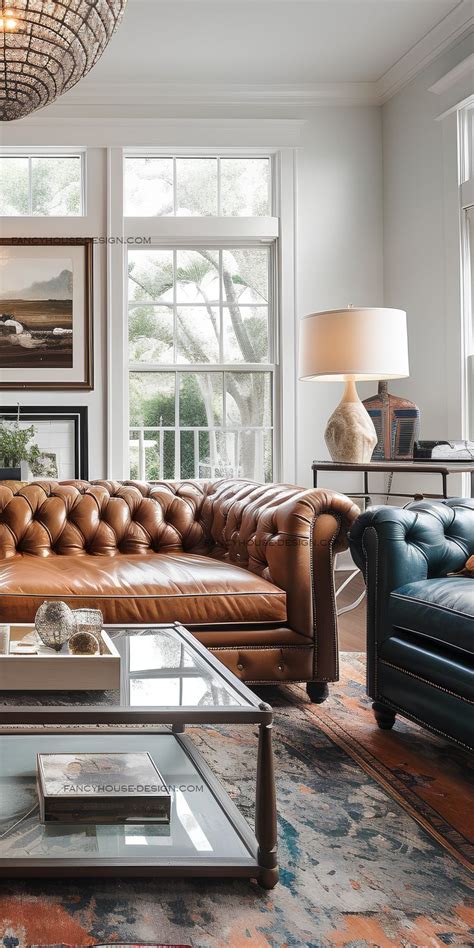
Tufted furniture carries a rich design heritage that effortlessly bridges traditional and contemporary aesthetics. Classic variations like the deep-buttoned Chesterfield feature signature rolled arms and a continuous back height that anchors a formal room with architectural presence. Meanwhile, more transitional interpretations—such as grid-tufted or channel-tufted sofas—introduce cleaner geometric lines that complement mid-century modern and minimalist American architectural styles without feeling overly heavy or ornate.
Integrating these statement pieces into modern layouts requires careful consideration of scale and visual weight. Because tufting naturally creates shadows and rich texture, a tufted sofa acts as a natural focal point in the room. In open-plan U.S. homes where the living area opens directly into the kitchen or dining space, a sophisticated tufted center-piece helps define functional zones while maintaining an open, airy visual flow across the entire floor.
Selecting the Right Upholstery Fabric for Your Household Lifestyle
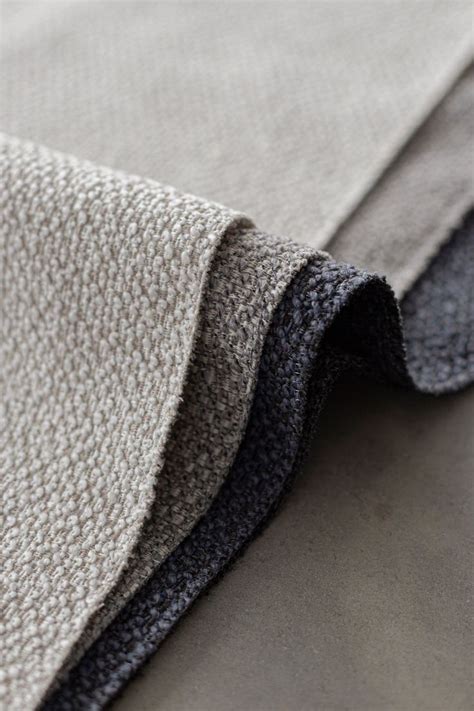
The longevity and comfort of any upholstered furniture set depend heavily on the fabric specification you choose. For households with young children or pets, performance textiles treated for stain resistance offer peace of mind without sacrificing softness. Woven textured fabrics, heavy-duty linens, and high-rub-count synthetics withstand daily friction far better than delicate silk blends or unsealed natural materials, ensuring your investment remains pristine through years of regular use.
Tactile contrast also plays a vital role in creating depth within your living room palette. If your main tufted sofa features a smooth velvet finish, pairing it with linen or textured tweed accent chairs introduces a subtle play of light and touch. Consider how natural light enters your room through standard American window orientations; heavy velvets absorb light to create a cozy, intimate evening atmosphere, while lighter woven cottons reflect daylight to make compact apartments feel more expansive.
Coordinating Upholstered Furniture Sets Versus Mixing and Matching
Deciding whether to purchase a matching furniture suite or curate an eclectic mix of independent pieces is a common dilemma for interior decorators. Complete upholstered sets—consisting of a sofa, matching loveseat, and occasional chair—guarantee instant visual harmony and take the guesswork out of color matching. This approach works exceptionally well in formal living rooms or spacious family areas where consistency creates a calm, orderly environment.
Conversely, mixing and matching independent upholstered items allows you to express personal style and adapt more flexibly to awkward room proportions. You might pair a neutral gray tufted sofa with a bold, patterned velvet accent chair and a tailored leather ottoman. When mixing pieces, ensure there is a unifying element—such as matching wood finish on exposed legs, a shared color undertone, or complementary scale—so the arrangement feels intentional rather than haphazard.
Spatial Planning and Practical Maintenance for Long-Term Enjoyment
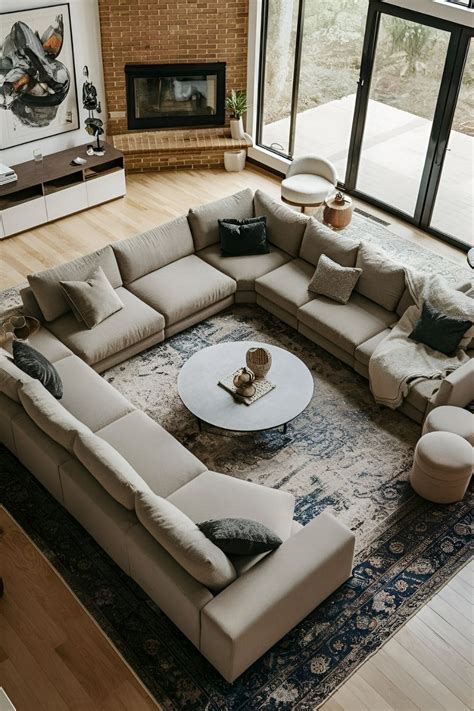
Arranging upholstered furniture effectively requires understanding traffic patterns and focal points within standard room dimensions. In larger living spaces, floating your tufted sofa away from the walls and anchoring it with a large area rug creates an intimate conversational grouping. For smaller apartments, pushing the furniture arrangement toward the perimeter or utilizing modular sectional configurations maximizes usable floor space while maintaining comfort.
Maintenance is another critical factor, particularly given the deep crevices inherent in button-tufted upholstery. Dust and crumbs naturally settle into these depressions, making regular vacuuming with a soft brush attachment an essential weekly habit. Promptly blotting spills rather than rubbing prevents stains from setting into the fabric fibers, while periodic professional cleaning helps preserve the structural integrity and appearance of your upholstered investment for years to come.
Frequently Asked Questions
How do I choose between different tufting styles like Chesterfield or button-tufted?
Your choice should depend on the overall architectural style of your home and your personal comfort preferences. Traditional Chesterfield sofas feature deep diamond tufting and rolled arms that sit at the same height as the back, offering a formal, classic look. More modern button-tufted or grid-tufted sofas often feature cleaner lines, sleeker legs, and lower profiles, making them ideal for contemporary or transitional American living spaces.
What fabric types work best for high-traffic U.S. family living rooms?
High-traffic areas benefit greatly from performance fabrics, heavy-duty synthetic blends, and tightly woven textured materials. These textiles are specifically engineered to resist stains, fading, and everyday wear and tear from kids and pets while maintaining a soft and inviting tactile feel.
Should I buy a complete upholstered furniture set or mix and match?
Buying a complete set offers instant visual cohesion and takes the guesswork out of matching colors and scales, which is ideal for formal or large spaces. Mixing and matching individual pieces allows for a more personalized, curated aesthetic and offers flexibility for unique room layouts, provided you tie the pieces together with a common color or design motif.
How do I style a tufted sofa in small versus large living spaces?
In large spaces, you can float a tufted sofa away from the walls, pairing it with complementary accent chairs and a large area rug to create a cozy conversational zone. In smaller spaces, choose a streamlined tufted sofa with exposed legs to maintain visual lightness, and keep surrounding upholstered pieces compact to avoid overcrowding the room.