Choosing the right tables for your living room involves balancing aesthetic appeal with practical everyday demands. Whether you are settling into a long-term suburban house or rearranging a leased urban apartment, the tables you select anchor the entire layout. The ideal setup creates a functional flow, provides convenient surface areas for daily routines, and reflects your personal design sensibility.
Navigating this decision requires understanding how different materials, scales, and modular configurations serve distinct living situations. Homeowners often prioritize heavy, investment-grade furniture built to endure decades of family life. Meanwhile, renters generally lean toward lightweight, adaptable pieces that can easily transition to a new address. Examining these unique priorities helps clarify which table styles will truly elevate your space.
Choosing Coffee Tables: Investment Pieces vs. Flexible Surfaces
The coffee table serves as the visual focal point of most living rooms, making it a critical choice for both homeowners and renters. Homeowners often look toward solid wood, heavy stone, or thick tempered glass pieces that offer substantial weight and long-term durability. These investment items anchor large living areas and develop character over time, especially when crafted from natural materials like white oak or walnut.
For apartment dwellers and renters, a massive stone slab or heavy wooden block can present major logistical challenges during a move. Renters benefit immensely from modular designs, hollow-core constructions, or mixed-material tables that combine metal frames with lightweight wooden tops. These alternatives offer high-end style without the strain of moving heavy furniture up several flights of stairs, ensuring your living room looks curated rather than temporary.
Maximizing Compact Apartments with Nesting and C-Tables
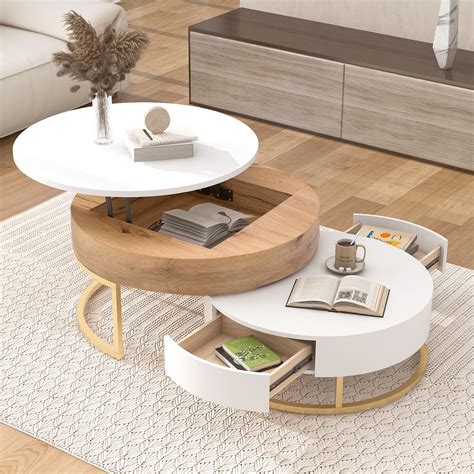
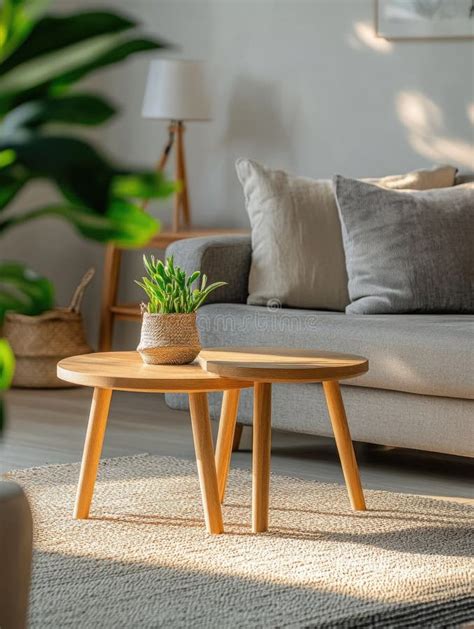
Urban apartments and smaller U.S. living rooms demand clever spatial solutions that eliminate clutter without sacrificing surface area. Nesting tables provide an exceptional solution, allowing you to expand your surface space when entertaining guests and tuck the smaller tables away when floor space is at a premium. This layered approach adds visual dimension and adapts effortlessly to changing weekly routines.
C-tables represent another brilliant addition to compact layouts, sliding neatly over the arm of a sofa to create an instant workspace or dining spot. Because they have a minimal footprint, they do not crowd walkways in narrow living rooms. Renters and homeowners alike appreciate how easily these versatile accent pieces can be shifted from the sofa to an accent chair, providing practical utility wherever it is needed most.
Selecting Durable Materials for Households with Kids and Pets
Family life and pet ownership introduce specific criteria when shopping for living room tables. Glass tops, while visually light and modern, can show fingerprints and smudges constantly in homes with energetic toddlers. Similarly, soft woods like pine dent easily under heavy use, making them less than ideal for active households where toys or pet claws might cause accidental damage.
Homeowners seeking long-term resilience often select distressed hardwoods, laminate finishes with realistic grain textures, or powder-coated metals that resist scratching. For renters who want a durable surface without a permanent financial commitment, powder-coated steel side tables or durable melamine-topped coffee tables provide rugged utility. These materials wipe clean effortlessly and withstand the daily wear and tear of busy household traffic.
Styling Your Living Room Tables Like a Pro
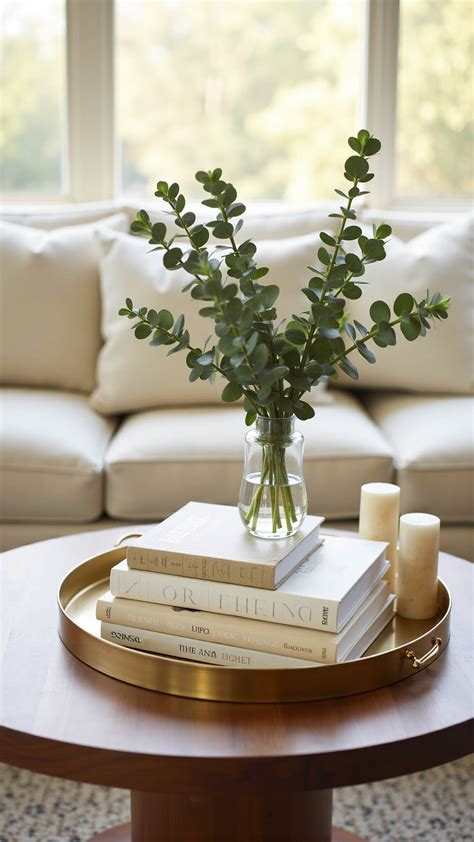
Once your tables are in place, thoughtful styling transforms functional furniture into a sophisticated focal point. The secret to a well-styled table lies in balancing height, texture, and negative space. Avoid overcrowding the surface; instead, group items in odd numbers, such as pairing a stack of art books with a ceramic vase and a small decorative bowl.
Incorporate living elements, such as a small potted succulent or a seasonal arrangement of branches, to bring organic warmth to metallic or wooden surfaces. Tray styling is another effective strategy, especially on larger coffee tables, because it corrals loose remotes and coasters into a neat, intentional display. This technique works equally well in rented apartments and permanent homes, instantly elevating the room’s overall atmosphere.
Frequently Asked Questions
What type of living room table works best in small spaces?
Nesting tables and C-tables are ideal for small spaces. Nesting tables can be expanded when you need extra surface area and tucked away when you need open floor space. C-tables slide over the arm of a sofa, providing a convenient spot for laptops or drinks without taking up precious floor room.
How can renters style their living rooms without making permanent modifications?
Renters can create a stylish living room by choosing lightweight, modular furniture that is easy to move. Focus on versatile accent tables, removable peel-and-stick surface accents if desired, and layered accessories like trays, textiles, and table lamps that bring personality to the room without altering the property.
What are the most durable table materials for households with pets or kids?
Distressed hardwoods, powder-coated metals, and durable laminates or melamine finishes stand up exceptionally well to kids and pets. They resist scratching, denting, and staining much better than delicate glass tops or soft, untreated woods.
How do I choose between a coffee table, ottoman tray, or nesting tables?
Your choice depends on your daily activities and spatial needs. A traditional coffee table anchors a large room and provides a permanent surface. An ottoman with a tray offers soft-surface versatility for resting feet or serving snacks. Nesting tables are best if you frequently need to reconfigure your room layout for guests.