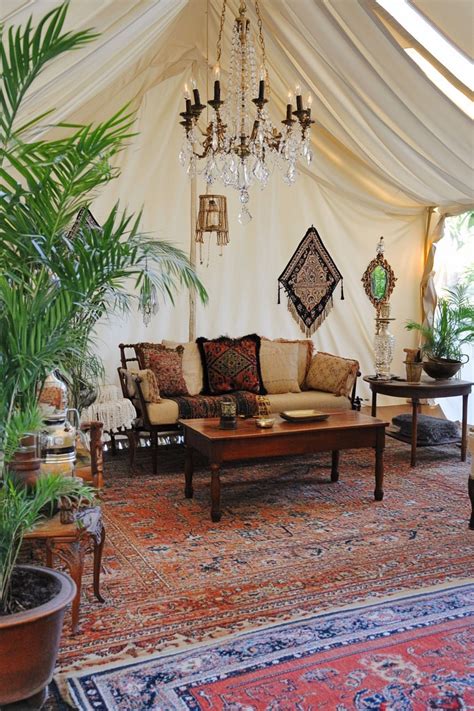
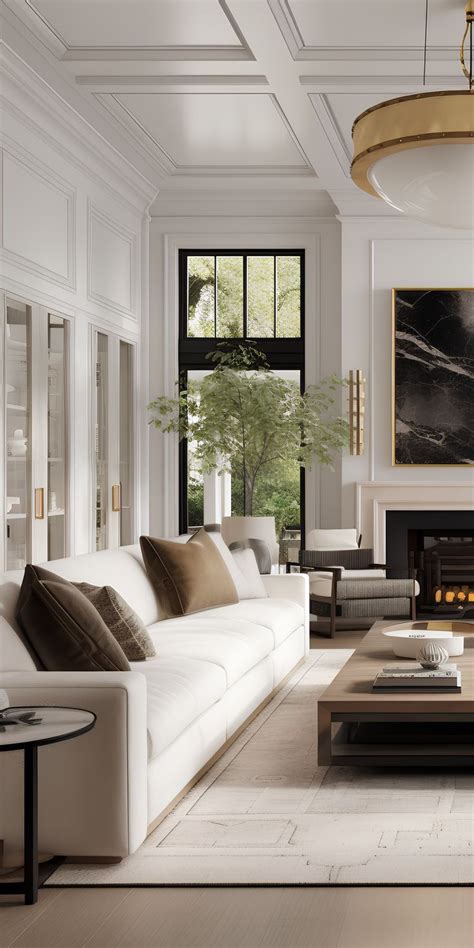
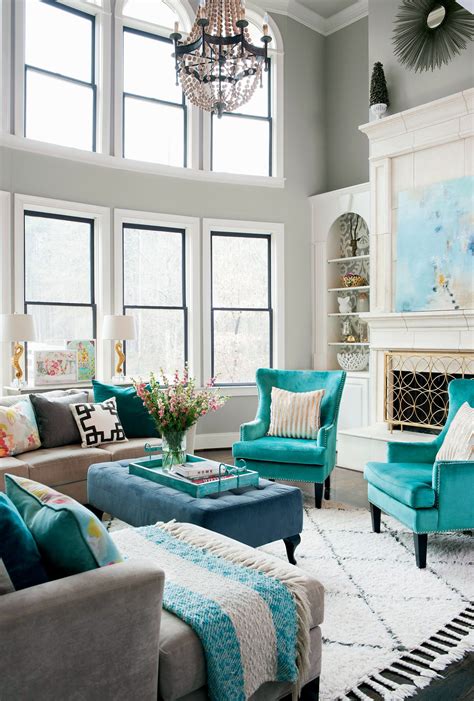
Designing a small living room layout often feels like solving a complex spatial puzzle. When square footage is limited, every single square inch matters, requiring a delicate balance between comfortable seating, practical storage, and an open traffic flow. Instead of squeezing oversized furniture into a tight footprint or pushing every item blindly against the perimeter walls, successful small-space design relies on intentional zoning, properly scaled pieces, and clever vertical integration. By shifting your approach from simply filling a room to curating a streamlined environment, you can transform a cramped area into a welcoming, highly functional sanctuary.
Prioritizing Traffic Flow and Spatial Zones
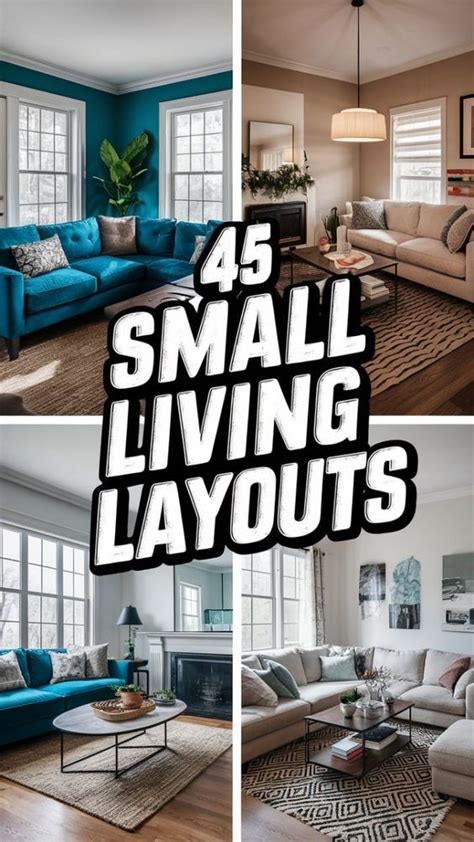
The foundation of any successful small living room layout begins with how people move through the space. Before buying a single piece of furniture or hanging a mirror, map out your primary pathways. In most American homes, the living room serves as a central hub connecting entryways, kitchens, or hallways. Keeping these walking paths unobstructed is vital to prevent the room from feeling claustrophobic or hazardous during daily activities.
Once your pathways are clear, think about micro-zoning. Even a compact room can support distinct functions if you arrange your layout with purpose. For instance, rather than floating a massive sectional right in the middle of a narrow apartment lounge, consider pairing a streamlined apartment sofa with a pair of lightweight accent chairs. This arrangement maintains clear sightlines across the room while offering flexible seating configurations for entertaining or relaxing.
Solving Awkward Layouts and Narrow Floor Plans
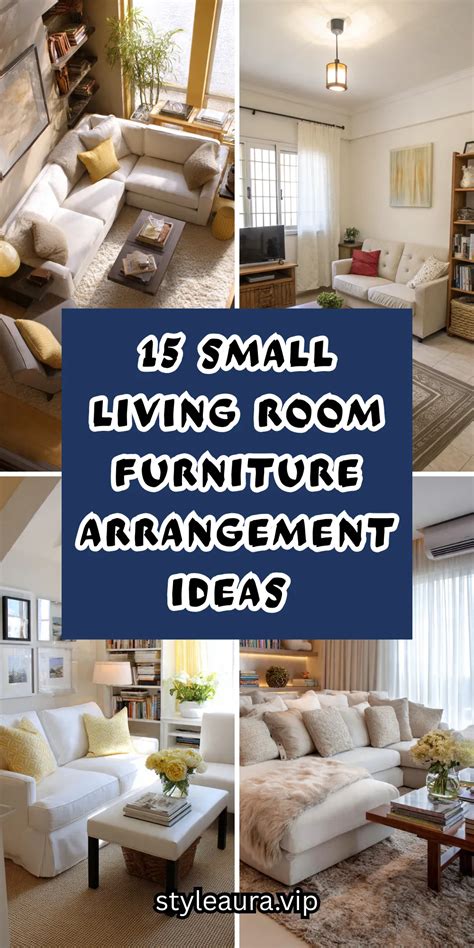
Narrow or awkwardly shaped living rooms present unique design hurdles that require creative furniture placement. Instead of positioning the television on the longest wall by default, try placing it on a shorter focal wall or integrating it into a low-profile media console that doubles as hidden storage. This adjustment immediately alters the visual proportions of the room, drawing the eye across the wider dimension rather than emphasizing the length.
Another effective strategy for narrow footprints is anchoring the seating area with a properly sized area rug that leaves a consistent border of exposed flooring around the perimeter. Floating your furniture slightly off the walls rather than pressing every sofa and chair hard against the drywall creates an illusion of breathing room. Even a few inches of clearance behind a sofa can completely change the psychological perception of spatial boundaries in a compact home.
Selecting Scaled and Multi-Functional Furniture
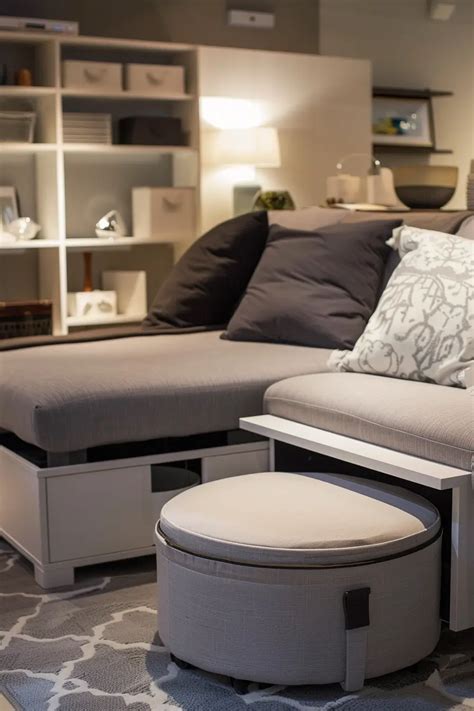
Choosing the right furniture is where many small-space layouts succeed or fail. Bulky, overstuffed recliners and heavy entertainment centers swallow precious floor space and make rooms feel heavy. Instead, look for pieces with exposed legs, which allow light to pass underneath and visually expand the floor area. Slim-profile sofas, armless accent chairs, and nesting coffee tables offer high utility without physical bulk.
Multi-functional furniture serves as an absolute game-changer for compact living rooms, providing hidden value without demanding extra square footage. Consider investing in an ottoman with internal storage to stash extra throws and board games, or a lift-top coffee table that converts effortlessly into a temporary dining or workstation. These adaptable items allow your living room to pivot smoothly between a quiet evening retreat, a home office, and a hosting space throughout the week.
Balancing Comfort and Compact Proportions
A common mistake in small living room layouts is overcorrecting by purchasing furniture that is entirely too small, resulting in a dollhouse effect. Finding the sweet spot means selecting furniture that matches your physical comfort requirements while keeping sleek visual proportions. For example, choose a sofa with a slightly shallower seat depth if floor space is exceptionally tight, ensuring you still retain adequate back support without sacrificing precious inches of walk space.
Consider modular sectionals or modular seating units that can be reconfigured depending on whether you are hosting guests or lounging solo on a Sunday afternoon. Modular layouts adapt seamlessly to changing life stages and layout preferences, making them a smart, long-term investment for renters and homeowners alike who plan to move or rearrange their spaces in the future.
Maximizing Vertical Space and Smart Storage
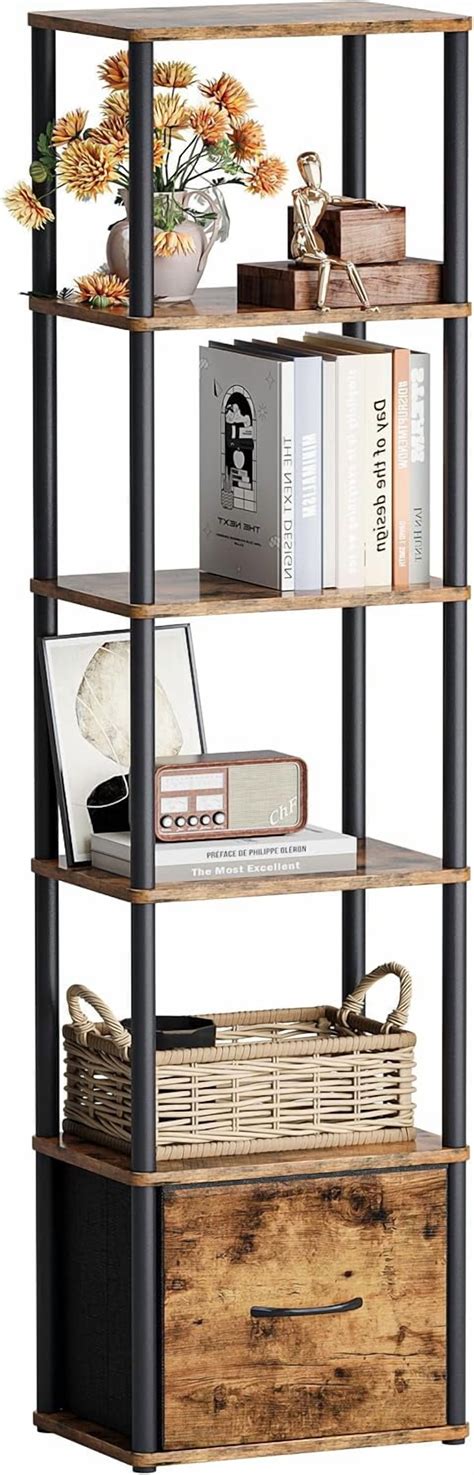
When horizontal square footage is maxed out, your walls become your greatest untapped asset. Utilizing vertical space draws the eye upward, making standard-height ceilings feel much loftier while keeping floor clutter to an absolute absolute minimum. Tall, narrow bookshelves, floating wall ledges, and vertical gallery walls work in tandem to pull attention away from a compact footprint.
Incorporate closed storage solutions alongside open shelving to maintain a clean, curated aesthetic. While open shelves are fantastic for displaying favorite books and decorative ceramics, closed cabinets hide the everyday clutter of mail, cords, and electronics that can quickly overwhelm a small room. Keeping surfaces tidy is essential for preserving an open, airy atmosphere.
Lighting and Color Strategies to Enhance Visual Space
Strategic lighting and color choices can dramatically alter how large a room feels, regardless of its actual physical dimensions. Lighter color palettes on walls and large furniture pieces reflect natural light around the room, instantly brightening dark corners and softening harsh spatial boundaries. Crisp whites, soft warm grays, and muted earth tones create a seamless backdrop that makes boundaries recede.
Layered lighting is equally crucial in a small living room layout. Relying solely on a harsh overhead ceiling light can cast unflattering shadows and make the space feel smaller. Instead, combine floor lamps, table lamps, and wall sconces at varying heights to create a warm, inviting glow. Placing a decorative mirror opposite a window will also bounce natural daylight deeper into the interior, visually doubling your available space.
Frequently Asked Questions
How do I arrange furniture in a small living room without making it feel cramped?
Start by keeping major walking pathways completely clear and pulling your furniture slightly away from the walls. Use slim-profile seating with exposed legs to let light flow underneath, and anchor the arrangement with a properly sized area rug that defines the conversation zone.
What type of furniture works best in tight spaces?
Multi-functional and scaled-down pieces work best. Look for lift-top coffee tables, storage ottomans, nesting tables, and apartment-sized sofas with narrow arms. Pieces with exposed wooden or metal legs also help maintain an open, airy visual flow.
Where should I place the TV and seating in a narrow living room?
In a narrow layout, position your primary seating along the width of the room rather than pushing everything against the long walls. Place the television on a low-profile console on one of the shorter focal walls to improve room proportions and traffic flow.
How can I make a small living room look bigger and more stylish?
Maximize vertical space using tall bookshelves, keep surfaces uncluttered with closed storage, and utilize a light, cohesive color palette. Layer different light sources like floor lamps and wall sconces, and hang a mirror opposite a window to amplify natural light.