Furnishing a living room can easily turn into a costly endeavor, especially when looking for pieces that balance durability with modern aesthetics. For homeowners and apartment renters across the United States operating on a strict budget, retail price tags on brand-new sofas, accent chairs, and media consoles can be discouraging. Fortunately, turning to liquidation living room furniture offers a viable pathway to achieving a designer look for a fraction of the traditional cost. By understanding how the liquidation market works, buyers can unlock deep discounts on quality items that would otherwise stretch their financial limits.
Navigating the world of closeouts, overstocks, and liquidation centers requires a slightly different approach than shopping at a standard retail showroom. Inventory changes rapidly, return policies are often strict, and pieces may require self-transportation or minor inspections. However, the potential savings—frequently ranging from forty to seventy percent off retail prices—make the extra effort well worth it for budget-conscious decorators who want to build a stylish, comfortable gathering space without breaking the bank.
Understanding the Liquidation Market: Overstock vs. Returns vs. Scratch-and-Dent

Before heading to a local liquidation warehouse or browsing an online closeout liquidator, it is essential to understand the different categories of discounted furniture. Not all liquidation pieces are created equal, and knowing what you are looking at helps manage expectations regarding condition and durability. Overstock inventory, for example, typically consists of brand-new items that manufacturers or major retailers overproduced. These pieces arrive in factory-sealed boxes, unaffected by previous owners, and represent some of the safest bets in the liquidation sector.
On the other hand, customer returns and scratch-and-dent inventory require a much closer look. Customer returns may have been opened, assembled, and returned simply because they did not fit a buyer’s living room layout, or they might suffer from minor cosmetic flaws incurred during initial shipping. Scratch-and-dent furniture usually features minor surface imperfections, such as a slight scratch on a wooden coffee table leg or a scuff on the back panel of a media console. Recognizing these distinctions allows shoppers to weigh aesthetic compromises against the sheer financial savings of purchasing final-sale merchandise.
Where to Source Living Room Liquidation Furniture in the U.S.
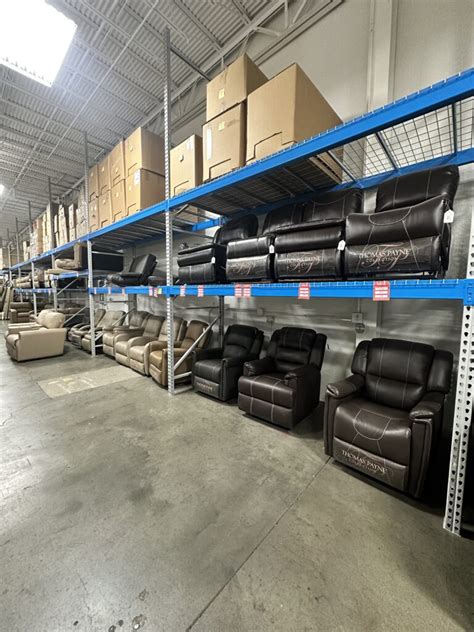
Finding reliable sources for discounted living room furnishings involves exploring both digital marketplaces and brick-and-mortar storefronts across the United States. Local liquidation warehouses, commercial overstock outlets, and regional auction houses frequently receive truckloads of surplus merchandise from major national home goods retailers. Visiting these physical locations allows shoppers to personally inspect structural integrity, test the cushion firmness of a sofa, and verify the physical dimensions before committing to a purchase.
Online liquidation platforms and digital auction sites also provide access to wholesale lots and retail closeouts, though they often require the buyer to arrange freight shipping or local pickup. Many online liquidators cater specifically to apartment dwellers and homeowners searching for high-end brands at clearance prices. Checking local community boards, specialized liquidator directories, and major closeout liquidators helps build a reliable network of sources for ongoing living room updates.
Crucial Quality Checks and Logistics Before Buying Final-Sale Pieces

Because the vast majority of liquidation and closeout furniture is sold on a strict final-sale basis, performing a thorough pre-purchase inspection is critical. When evaluating a liquidation sofa or accent chair, check the inner frame construction. Solid wood or heavy-duty metal frames indicate longevity, whereas lightweight particle board or stapled joints often fail under everyday use. Examine joints, springs, and upholstery seams carefully to ensure the piece will withstand regular household traffic.
Logistics represent another vital consideration that catches many budget shoppers off guard. Liquidation warehouses rarely offer white-glove delivery services, meaning buyers must frequently arrange their own hauling, truck rentals, or heavy lifting. Before purchasing any large item like a sectional sofa or a heavy entertainment center, measure all entryways, hallways, and stairwells in your home. A discounted statement piece provides no value if it cannot physically fit through your front door or maneuver around a tight apartment corridor.
Styling Discounted and Mismatched Furniture for a High-End Look

One of the primary styling challenges of furnishing a room entirely through liquidation finds is avoiding a disjointed, chaotic aesthetic. Because you are buying individual clearance pieces rather than a matching showroom suite, intentional styling is necessary to create visual harmony. Focus on creating a unified color palette or tying contrasting textures together through rugs, throw pillows, and drapery. For instance, a neutral gray liquidation sofa can easily be elevated with rich leather accent chairs and warm wood tables.
Accessorizing plays a monumental role in distracting from minor cosmetic imperfections and elevating the overall perception of budget-friendly furniture. Layering textiles, incorporating ambient lighting, and adding curated art pieces shift the eye toward the cohesive design of the entire room rather than any single discounted item. With thoughtful arrangement and styling, a living room assembled from various liquidation sources can look remarkably intentional, sophisticated, and deeply personalized.
Frequently Asked Questions
Are liquidation furniture pieces damaged or of poor quality?
Not necessarily. While some liquidation items are scratch-and-dent or customer returns, a vast portion consists of brand-new overstock merchandise from major retailers that simply had excess production or changed seasonal lines.
How much money can I realistically save buying liquidation overstock?
Shoppers can typically save between 40% and 70% off standard retail prices, depending on the condition, the source, and whether the item is overstock, a return, or final-sale inventory.
What should I check before purchasing final-sale liquidation furniture?
Always inspect the frame stability, joint construction, cushion density, and fabric integrity. Additionally, take precise measurements of your living room and home entryways to ensure the furniture will fit.
Do liquidation furniture pieces come with manufacturer warranties?
Most liquidation and closeout items are sold “as-is” and do not include standard manufacturer warranties. Buyers should inspect items thoroughly before purchase and verify any return windows offered by the specific liquidator.