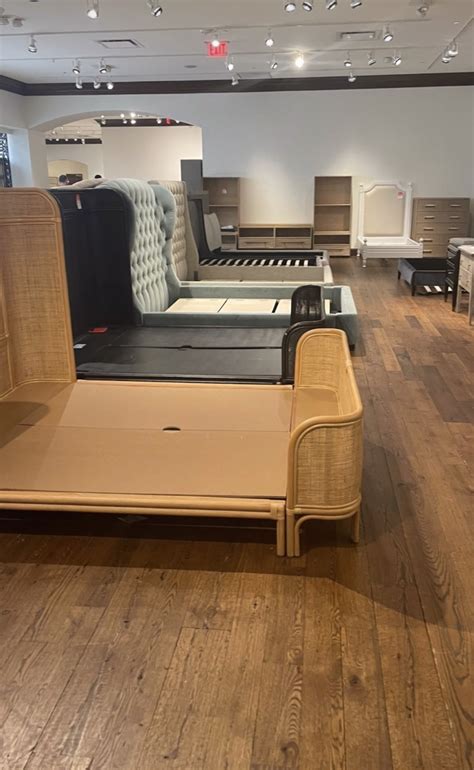
Revamping your living space does not require an unlimited budget, but it does demand a strategic approach to shopping. Across the United States, furniture retailers constantly cycle through inventory, creating prime opportunities for savvy homeowners and renters to secure exceptional pieces at a fraction of their original cost. Navigating these markdown events successfully requires understanding when retailers slash prices, knowing the subtle differences between markdown categories, and inspecting pieces carefully before committing to final-sale purchases.
By shifting your focus away from brand-new, just-released collections and toward clearance items, floor models, and warehouse closeouts, you can dramatically stretch your decorating dollars. However, the clearance market operates differently than standard retail shopping. Items often come with specific trade-offs, such as strict return policies or minor cosmetic flaws. This comprehensive guide walks you through the seasonal rhythms, physical inspection techniques, and practical sourcing methods needed to transform your home affordably and intelligently.
Understanding U.S. Furniture Retail Cycles and Seasonal Timing

Timing your furniture purchases around standard U.S. retail cycles is one of the most effective ways to maximize your savings. Major furniture manufacturers typically introduce new inventory lines twice a year, usually in late winter (February and March) and late summer (August and September). As showrooms prepare to welcome these fresh arrivals, they aggressively discount existing floor stock and warehouse inventory to clear valuable floor space. Recognizing these transition periods allows you to anticipate when deep markdowns will naturally occur across most major American home goods stores.
In addition to bi-annual inventory rollouts, traditional holiday weekends serve as major catalysts for clearance events. Long holiday weekends like Presidents’ Day, Memorial Day, the Fourth of July, and Labor Day frequently feature sweeping promotional markdowns that bleed into clearance departments. By tracking these predictable retail rhythms, shoppers can avoid paying peak prices and plan their room transformations around the calendar periods when stores are most motivated to move merchandise out the door.
Capitalizing on End-of-Season Clearances
End-of-season clearances happen organically as retailers rotate outdoor living sets, heavy winter textiles, and summer-specific color palettes out of their showrooms. Shopping during these transition months yields dramatic price drops because stores have limited storage capacity for out-of-season merchandise. For example, patio furniture reaches its lowest clearance prices in late August and September as retailers make room for autumn dining sets and indoor holiday displays.
The primary trade-off with end-of-season shopping involves immediate utility versus future preparation. If you purchase patio loungers in September, you may need to store them safely for the winter before you can actually enjoy them in your backyard. Weighing this storage requirement against the fifty to seventy percent discount helps determine whether an end-of-season purchase makes practical sense for your current living situation.
Sourcing Channels: Where to Find the Best Furniture Closeouts

Finding high-quality clearance furniture involves looking beyond traditional showroom floors and exploring diverse retail avenues. Major national home furnishing chains, local independent boutiques, regional warehouse outlets, and specialized online liquidators all handle excess inventory differently. Exploring multiple channels widens your selection and increases your chances of finding high-durability hardwood or upholstered pieces that fit your precise aesthetic preferences.
Outlet stores and clearance centers operated by major national brands represent some of the most reliable goldmines for discount furniture. These dedicated locations permanently house scratch-and-dent items, discontinued finishes, and cancelled custom orders that cannot be sold at primary retail flagships. Local estate sales, liquidations, and independent consignment shops also offer unique alternatives for finding solid-wood craftsmanship that often outlasts modern mass-produced particle board alternatives.
Online Versus In-Store Clearance Shopping Strategies
Shopping for clearance items online offers the distinct advantage of comparing prices across multiple national retailers without leaving your living room. Digital outlets often feature robust filter options for dimensions, wood types, and fabric finishes, making it easier to match existing decor. However, online closeouts—especially final-sale items—frequently carry steep freight shipping fees and cumbersome return restrictions if the item does not fit your space properly.
Conversely, visiting physical clearance centers and brick-and-mortar showrooms allows you to physically sit on a sofa, test drawer mechanisms, and examine wood joinery firsthand. In-store shopping also opens the door for direct human negotiation. Sales associates and store managers operating on commission or facing strict floor-clearing quotas often possess the authority to shave an extra ten or twenty percent off an already marked-down price, a flexibility rarely available through automated e-commerce checkouts.
Inspecting Clearance Furniture and Navigating Final-Sale Risks

The thrill of finding a designer accent chair or solid oak dining table at an eighty percent discount can easily overshadow potential quality concerns. Because the vast majority of clearance and floor-model furniture is sold strictly on an ‘as-is’ final-sale basis, performing a rigorous structural and cosmetic inspection is absolutely essential before exchanging any money.
Begin your evaluation by testing the fundamental frame integrity. For sofas and upholstered armchairs, firmly press down on the arms and sit squarely on the cushions to check for sagging springs or creaking internal frames made of unseasoned wood. For case goods like dressers, bookshelves, and side tables, pull out every drawer to ensure smooth gliding tracks and check that the back panel is securely fastened rather than flimsy cardboard held together by staples.
Distinguishing Floor Models, Open-Box, and Clearance Items
Understanding the exact provenance of a discounted item helps clarify the types of wear and tear you should expect. Floor models have sat on a showroom floor for months, enduring heavy customer testing, lighting exposure, and minor surface scuffs, but they are typically fully assembled and structurally stable. Open-box items are generally products that a customer purchased online and returned almost immediately, often due to sizing discrepancies rather than functional defects.
Standard clearance items, on the other hand, are brand-new products left over from discontinued product lines that remain safely boxed in a warehouse. While floor models may show minor cosmetic blemishes that require clever placement or a touch-up pen, boxed clearance items usually arrive in pristine factory condition. Clarifying these distinctions with store staff ensures you are comfortable with the condition of the merchandise before committing to a non-refundable purchase.
Practical Budgeting, Spatial Planning, and Transportation Logistics
Securing a fantastic clearance deal quickly loses its economic advantage if the piece does not physically fit your room or requires expensive professional freight delivery. Before visiting a clearance outlet or browsing an online closeout catalog, take precise measurements of your doorways, stairwells, and the intended room layout using a reliable tape measure and painter’s tape on the floor.
Factor potential hidden costs into your overall budget calculation before declaring a piece a bargain. Many major furniture chains charge flat-rate delivery fees that can easily eat up fifty to a hundred dollars of your savings, turning a great deal into a modest one. Evaluating whether you can safely transport the item in a rented pickup truck or if you must pay for white-glove delivery service protects your budget from unexpected logistical expenses.
Frequently Asked Questions
When are the best months to find furniture clearance sales in the U.S.?
The best months to find deep furniture clearance discounts in the U.S. are typically February, March, August, and September. During these transition periods, retailers clear out old inventory to make room for newly released semi-annual collections.
What is the difference between floor models, open-box items, and clearance furniture?
Floor models have been displayed on a showroom floor and experienced customer handling. Open-box items were purchased and quickly returned by customers, often due to size or color issues. Standard clearance furniture consists of brand-new, discontinued items remaining in factory packaging.
How can I negotiate additional discounts on clearance or floor model furniture?
You can often secure extra savings by politely asking a sales manager if there is room for negotiation, especially on floor models showing minor cosmetic wear or items that have lingered in the clearance section for several weeks.
Are furniture clearance items returnable?
Most furniture clearance and floor model items are sold strictly on an ‘as-is, final-sale’ basis. Retailers rarely accept returns on these deeply discounted pieces, making thorough physical inspections and precise home measurements critical before purchasing.