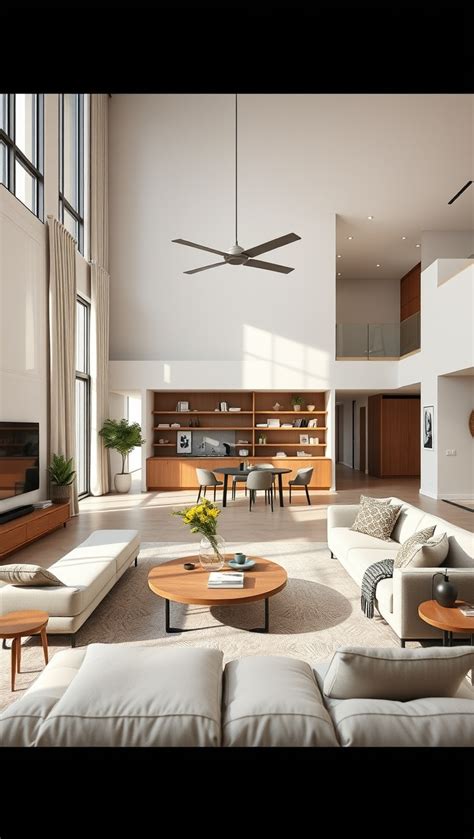
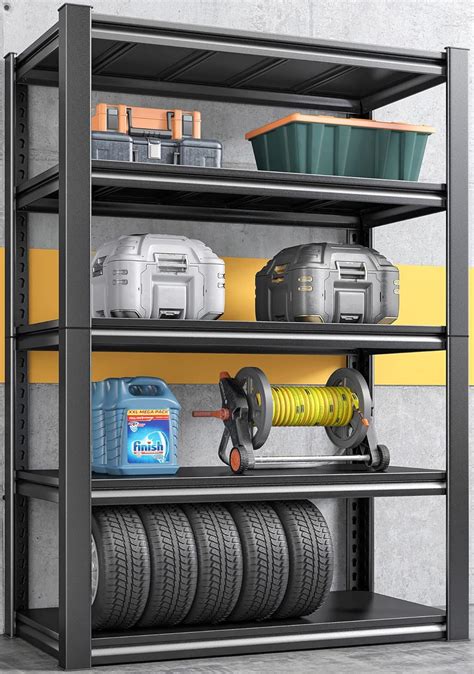
Finding adequate storage in an American home often feels like a constant puzzle. Whether you are dealing with compact urban apartments or sprawling suburban floor plans, vertical surface areas remain one of the most underutilized assets in interior design. Crafting your own storage shelves gives you complete control over dimensions, finishes, and load capacities while offering a satisfying weekend project that significantly upgrades your interior aesthetic.
Designing custom storage goes far beyond simply nailing a plank to a wall. Successful projects require balancing structural safety, architectural style, and everyday functionality. By exploring resourceful materials and clever mounting techniques, you can turn bare drywall into high-end display and storage zones that adapt to your evolving lifestyle.
Understanding Wall Safety and Structural Limits
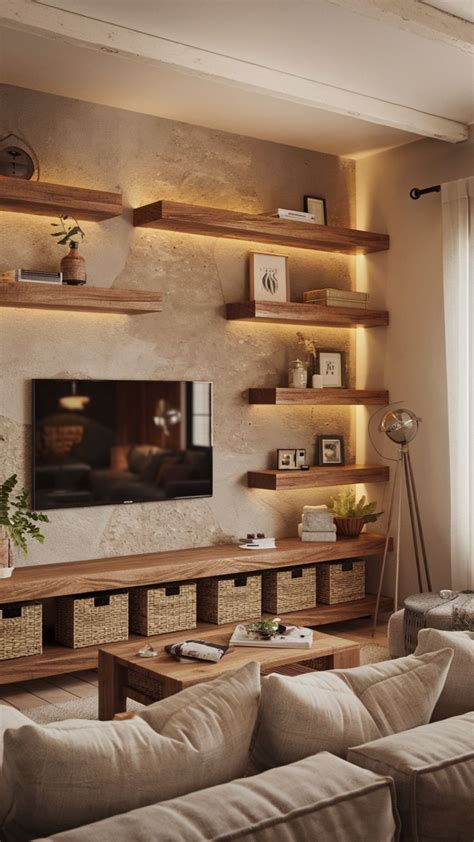
Before launching into any woodworking or hardware assembly, understanding the mechanics of your walls is non-negotiable. American residential construction relies heavily on wood framing or metal studs behind drywall, and knowing how to anchor your shelves properly prevents costly accidents, damaged plaster, and ruined belongings. Always use a reliable electronic stud finder to locate framing members whenever your design requires holding substantial weight, such as heavy books or kitchen stoneware.
When studs do not align with your desired shelf placement, heavy-duty drywall anchors rated for specific weight capacities are essential. Toggle bolts and threaded metal anchors provide far superior holding strength compared to standard plastic sleeves that often pull loose under pressure. Always cross-reference the manufacturer’s load ratings for both your brackets and your wall fasteners to ensure your DIY creation remains completely secure over years of daily use.
Industrial Pipe Shelves for Living Areas
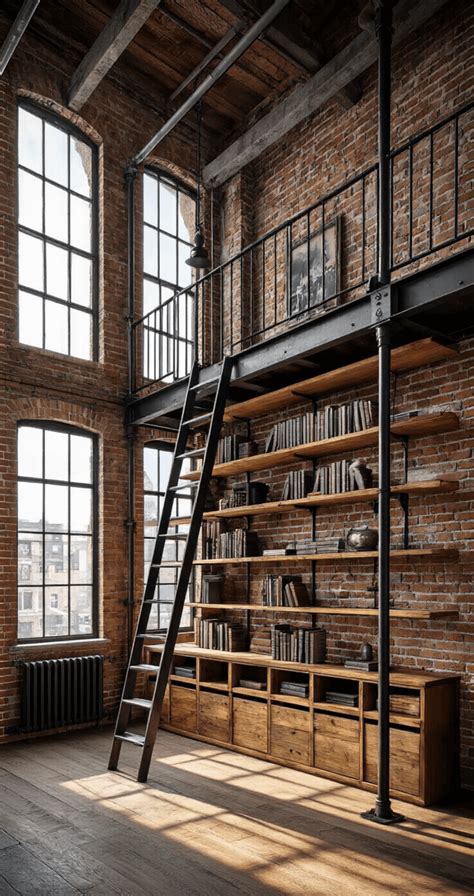
Industrial pipe shelving brings a rugged, modern architectural edge to living rooms, home offices, and dens. By combining dark iron or galvanized steel plumbing pipes with rich wooden planks, you achieve a customized urban loft look without paying custom furniture prices. This style works exceptionally well on feature walls, flanking a fireplace, or framing a workspace where you need robust support for electronics and reference books.
To build a standard two-tier pipe shelf, you will need threaded flanges, nipples, and elbows from your local hardware store, alongside pre-cut pine or oak boards stained to complement your existing flooring. The installation process requires securely screwing the floor flanges directly into wall studs, ensuring that each vertical support stays perfectly plumb. Once assembled, these shelves provide exceptional rigidity and an unmistakable focal point that elevates transitional and modern farmhouse interiors alike.
Rental-Friendly and Damage-Free Display Solutions
Renters often face strict lease agreements that prohibit drilling large holes into drywall, making traditional shelving seem entirely out of reach. Fortunately, innovative rental-friendly alternatives allow you to maximize vertical storage without sacrificing your security deposit or spending hours patching walls upon moving out. Tension-rod shelving systems, heavy-duty adhesive tracks, and leaning ladder shelves offer wonderful vertical capacity without permanent architectural modifications.
Leaning ladder shelves are particularly effective because they utilize gravity and wall-leaning angles to support moderate loads of books, plants, and decorative baskets. For those who prefer floating displays, specialized heavy-duty adhesive mounting strips designed for picture ledges can support lightweight frames and small succulents. Always check weight limitations carefully with temporary mounting systems, keeping heavy items stored closer to the floor on freestanding furniture pieces.
Upcycled Wood and Crate Storage for Kitchens and Pantries
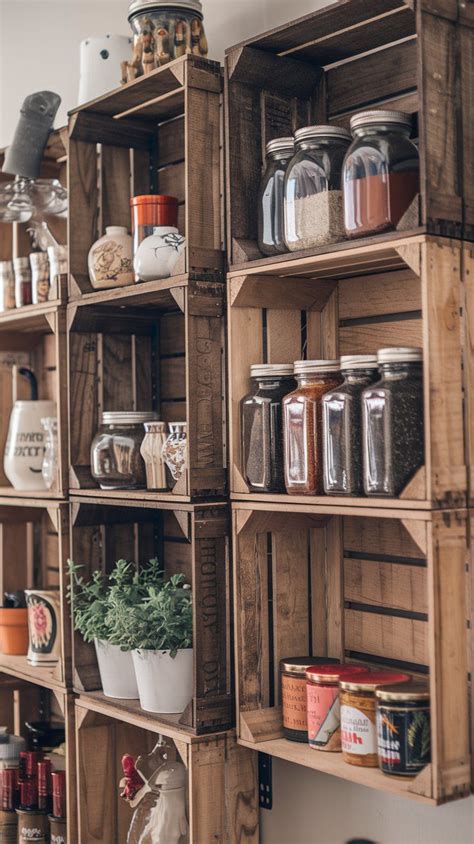
Kitchens and pantries frequently suffer from awkward dead corners and crowded cabinets that make meal prep frustrating. Upcycling wooden shipping crates, reclaimed scaffolding planks, or salvaged cabinet doors into open kitchen shelving provides an immediate rustic charm while creating accessible storage for everyday mugs, dry goods, and cookbooks.
Arranging wooden crates in a modular grid pattern on a pantry wall allows you to organize produce, linens, and jars into distinct, easy-to-reach compartments. When working with reclaimed wood destined for food-adjacent areas, ensure the lumber has not been treated with toxic chemical preservatives and sand the surfaces thoroughly to prevent splinters. Finish the wood with a food-safe mineral oil or water-based polyurethane to protect against kitchen humidity and routine cleaning.
Styling Open Shelves Like a Professional Interior Designer
Once your DIY shelves are securely mounted, the styling phase determines whether the wall looks intentionally curated or cluttered. A successful open shelving arrangement balances functional storage with breathing room, ensuring that every item has a visual purpose rather than just acting as overflow storage for miscellaneous household items.
Begin by anchoring your shelves with larger foundational pieces, such as stacked art books, heavy ceramic bowls, or woven storage baskets that conceal smaller items like charging cords and office supplies. Layer in vertical elements like trailing indoor plants, sculptural ceramics, and framed photographs to create visual depth and varied heights. Maintain a cohesive color palette that echoes the surrounding room’s textiles and rugs, allowing your new handmade shelves to integrate seamlessly into your home.
Frequently Asked Questions
What are the easiest DIY shelf ideas for beginners?
For beginners, board-and-bracket shelves are the most straightforward option. Buying pre-sanded lumber, decorative metal brackets, and matching wall anchors allows you to complete a sturdy installation in under an hour with basic hand tools.
How do I make sure my DIY shelves can hold heavy items?
To support heavy items like books or cast-iron cookware, always anchor your brackets directly into wooden wall studs. If studs are unavailable, use rated toggle bolts rather than standard plastic wall plugs, and choose thicker wood boards (at least 1.5 inches thick) to prevent sagging.
Are there reliable shelving options for rental apartments?
Yes, leaning ladder shelves, tension-pole storage systems, and heavy-duty adhesive ledges are excellent rental-friendly solutions that provide vertical storage without requiring you to drill holes into the walls.
How can I prevent open shelves from looking cluttered?
Keep your shelves organized by incorporating woven baskets or decorative storage boxes to hide small items. Leave about 30% of each shelf empty to give the display breathing room, and group objects in odd numbers with varied heights.