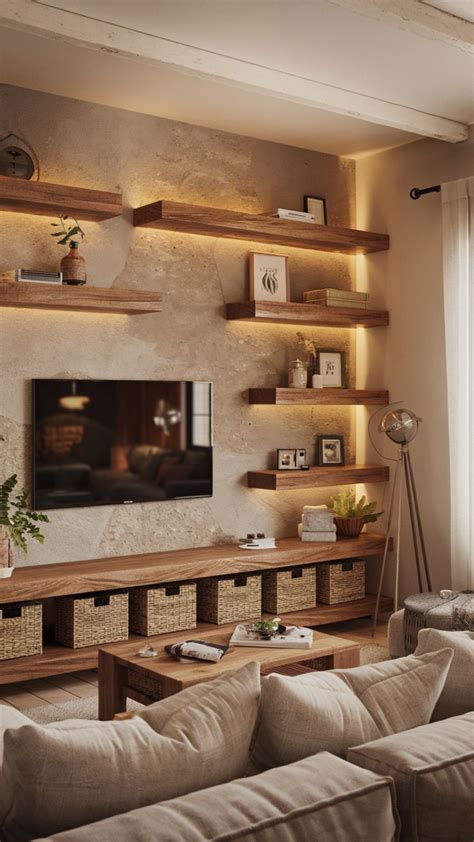
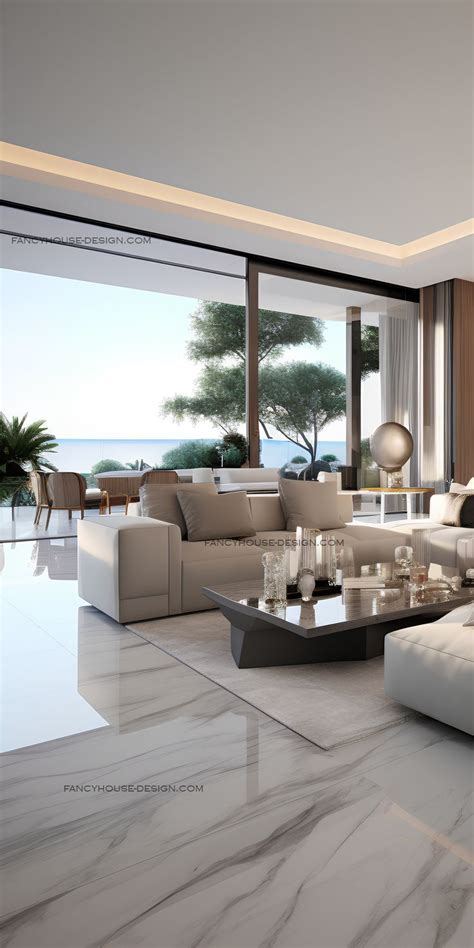
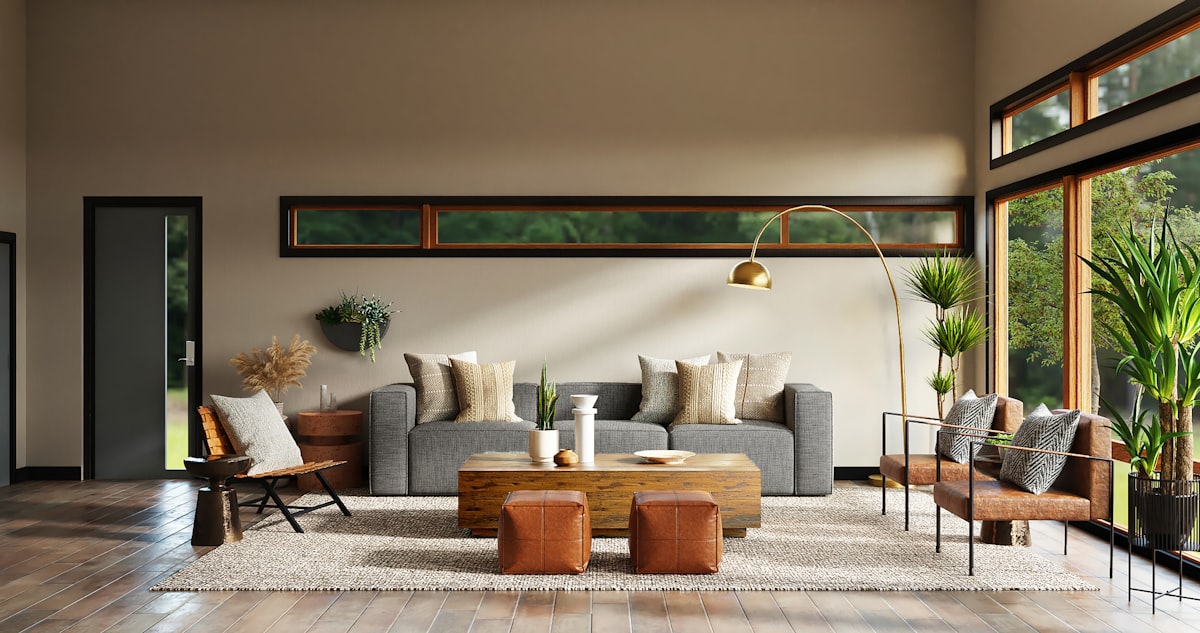
For years, mainstream American residential design has leaned heavily into safe territory: beige walls, neutral gray sectionals, minimalist subway tile, and understated wooden accents. While these choices offer timeless flexibility, they can sometimes leave a living space feeling homogenized, lacking the distinct personality of the people who inhabit it. Embracing daring interior choices allows your home to tell a genuine story, shifting rooms from comfortable backdrops into active participants in your daily life.
Taking calculated design risks does not require knocking down walls or throwing out every piece of furniture you own. Instead, it involves shifting your perspective on color, scale, and texture to create spaces that surprise and delight. Whether you own a suburban craftsman home or rent a compact urban apartment, incorporating unexpected design elements can completely transform your living environment.
1. The Fifth Wall: Dramatic Ceiling Treatments
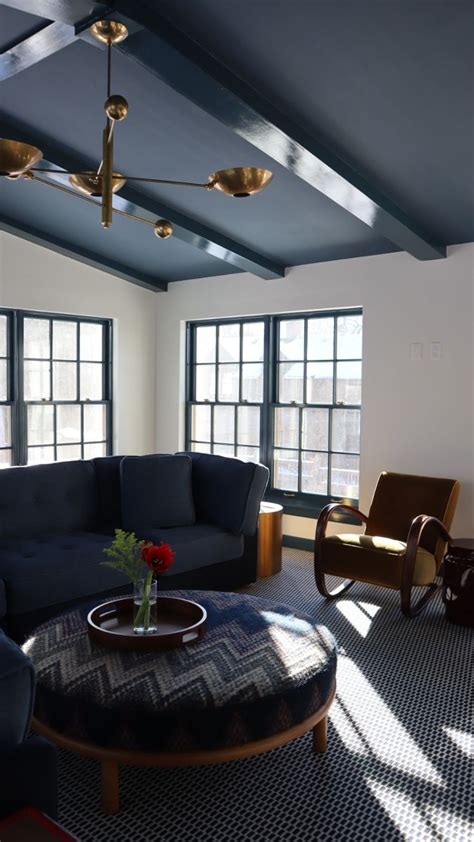
Too often, ceilings are treated as an afterthought—painted a standard flat white and ignored completely. However, treating the ceiling as a primary design surface, often called the fifth wall, is a powerful way to add instant drama and architectural interest to standard drywall rooms found in many American homes.
Applying a high-gloss saturated paint color, intricate tin tiles, or a moody patterned wallpaper to the ceiling draws the eye upward, making standard eight-foot ceilings feel surprisingly intentional and cocoon-like. In dining rooms and dens, this technique creates an intimate, enveloping atmosphere that traditional wall treatments alone simply cannot achieve.
2. High-Contrast Drenching and Dark Moodiness
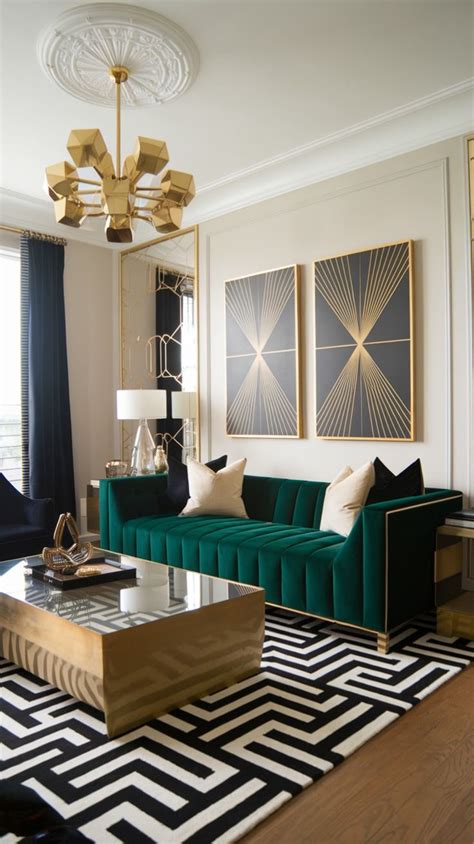
Monochromatic color drenching—painting the walls, trim, doors, and baseboards in a single dark, saturated hue like charcoal, forest green, or deep navy—creates an immersive sensory experience. Rather than shrinking a room, this technique blurs the boundaries of the walls, tricking the eye and making compact spaces feel surprisingly expansive and sophisticated.
The key to making dark color drenching successful in U.S. homes with varying natural light levels is paying attention to undertones and sheen. Pair deep, moody walls with contrasting metallic fixtures, tactile velvet upholstery, or natural wood tones to keep the space feeling layered rather than flat or cavernous.
3. Maximalist Wallpaper in Small Spaces
Powder rooms, mudrooms, and entryways are often dismissed as utilitarian zones where decor does not matter. Daring designers, however, view these compact spaces as ideal experimental canvases for oversized, vibrant, or surrealist botanical wallpapers.
Wrapping a tiny powder room in a wildly theatrical, highly detailed wall covering creates an unforgettable immersive punch that larger living areas might not sustain. For apartment renters, temporary peel-and-stick versions offer the same high-impact visual payoff without threatening your security deposit.
4. Sculptural Lighting as Functional Art
Standard flush-mount dome lights and basic builder-grade pendants rarely contribute much to a room’s aesthetic value. Swapping these standard fixtures for oversized, architectural, or avant-garde pendant lights turns functional illumination into striking overhead sculpture.
Consider fixtures crafted from twisted brass, blown colorful glass, oversized paper lanterns, or organic rattan forms that cast dramatic shadows across your walls. These statement pieces act as focal points, drawing attention upward and defining functional zones within open-concept American living spaces.
5. Radical Mixing of Eras and Styles
Playing it safe usually means buying matching furniture sets from a single showroom catalogue. A much more daring and rewarding approach involves combining radically different historical eras and design styles within a single vignette.
Picture a sleek, ultra-modern mid-century leather sofa anchored by a heavily distressed, ornate French provincial coffee table, flanked by industrial steel shelving. This high-low mix prevents a home from looking like a staged furniture store showroom, giving the rooms a collected-over-time authenticity that feels deeply personal.
6. Statement Flooring and Bold Tiling
Flooring is typically kept neutral to maximize future flexibility, but choosing graphic floor tiles, checkerboard marble, or painted geometric wood patterns creates a bold architectural foundation. Kitchens, entryways, and laundry rooms provide fantastic opportunities to experiment with high-impact floor surfaces that demand attention the moment you walk through the door.
7. Unexpected Textures: Cork, Velvet, and Concrete
Relying solely on standard cotton fabrics and smooth drywall can leave a room feeling flat. Introducing raw, unexpected tactile elements like architectural cork wall panels, heavy velvet drapery that pools dramatically onto the floor, or polished concrete accent surfaces engages multiple senses at once.
These tactile contrasts add profound depth to neutral color palettes, proving that visual daring is about much more than just bright colors and wild patterns.
8. Curated Chaos and Maximalist Gallery Walls
While minimalist gallery walls with uniform black frames have their place, curated maximalism takes the opposite approach. Mixing vintage oil portraits, neon signage, dimensional ceramic plates, and modern art prints in wildly divergent frame styles creates a dynamic narrative wall.
The secret to pulling off curated chaos without making the room feel genuinely messy is maintaining a unifying thread, such as a repeating color accent or thoughtful spacing that guides the eye across the eclectic collection.
9. Vibrant, High-Pile Statement Rugs
Floors do not have to fade into the background. Swapping subtle neutral rugs for high-pile shag carpets in unexpected jewel tones like emerald or burnt orange instantly alters the acoustic and visual temperature of a room.
A vibrant, textured area rug anchors conversation areas, adds physical warmth underfoot, and breaks up monotonous hardwood or laminate flooring commonly found in modern American rental properties.
10. Radical Accent Walls with Raw Materials
Moving beyond standard accent paint colors, daring interiors incorporate raw building materials as primary design features. Exposing brickwork, installing vertical slatted acoustic wood panels, or adding lime-wash plaster finishes creates an organic, tactile wall surface that begs to be touched.
These architectural treatments bring an authentic sense of craftsmanship and history into newer construction homes that might otherwise lack character.
11. Unconventional Upholstery Fabrics
Upholstery doesn’t need to be restricted to durable neutral tweeds or basic leather. Covered in bold striped velvet, tactile bouclé, or vibrant patterned jacquard, a statement accent chair or sofa becomes the undeniable star of the living room.
Don’t be afraid to mix bold upholstery patterns against patterned wallpaper or textured walls; mastering this controlled clash is the hallmark of confident, avant-garde interior design.
12. Oversized Scale and Giant Scale Art
Many homeowners make the mistake of hanging multiple small pieces of art across large walls, creating visual clutter. A genuinely daring move is to hang a single, massive, oversized canvas that commands the entire wall space.
Big art forces the eye to pause and take in the room as a whole, creating a sense of drama and proportion often seen in high-end art galleries rather than standard suburban living rooms.
13. Boldly Styled Industrial Elements
Exposed conduit, raw black iron pipes, and untreated steel shelving are no longer reserved strictly for downtown industrial lofts. Bringing these raw, utilitarian elements into traditional or suburban homes creates a striking juxtaposition against softer home furnishings.
The contrast between delicate textiles and heavy industrial hardware adds an edgy, contemporary layer that keeps interior spaces feeling sharp and unexpected.
14. Personal Relics and Curiosities
The most daring decor choice of all is letting go of mainstream trends entirely to display your true obsessions. Whether that means framing vintage botanical insect specimens, displaying rare books floor-to-ceiling, or showcasing unusual travel finds, authenticity always trumps conformity.
When a home reflects your genuine curiosities and quirks, it stops looking like an aspirational magazine spread and starts feeling like an authentic sanctuary.
Frequently Asked Questions
How can I incorporate bold design choices without overwhelming a small space?
In smaller homes or apartments, choose one or two daring focal points—such as a dramatic ceiling, a single statement rug, or a powder room wallpaper—and keep the surrounding elements relatively simple to maintain visual balance.
Are unconventional decor choices suitable for renters as well as homeowners?
Yes. Renters can embrace daring decor through peel-and-stick wallpapers, statement furniture pieces, colorful area rugs, dramatic lighting swaps, and curated gallery walls that leave no permanent damage behind.
How do I balance eccentric decor with long-term resale value?
If you plan to sell soon, keep your most daring choices—like custom paint, bold tile, or radical wallpaper—to easily changeable elements. Furniture, art, lighting, and textiles can travel with you, while fixed architectural elements remain neutral.