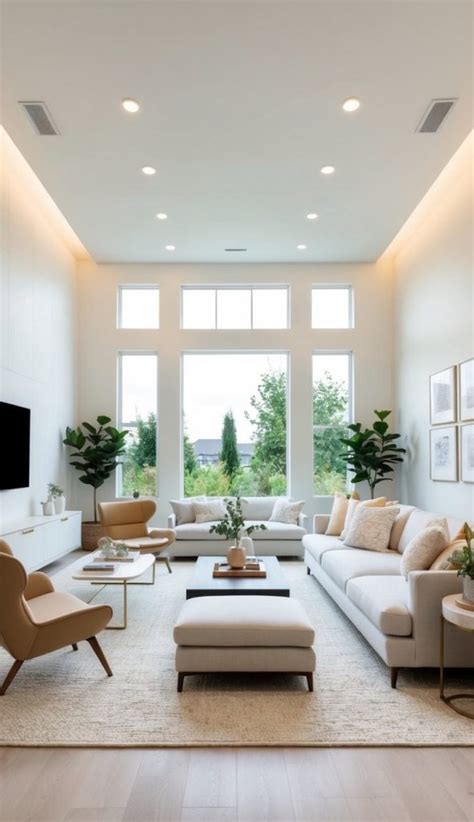
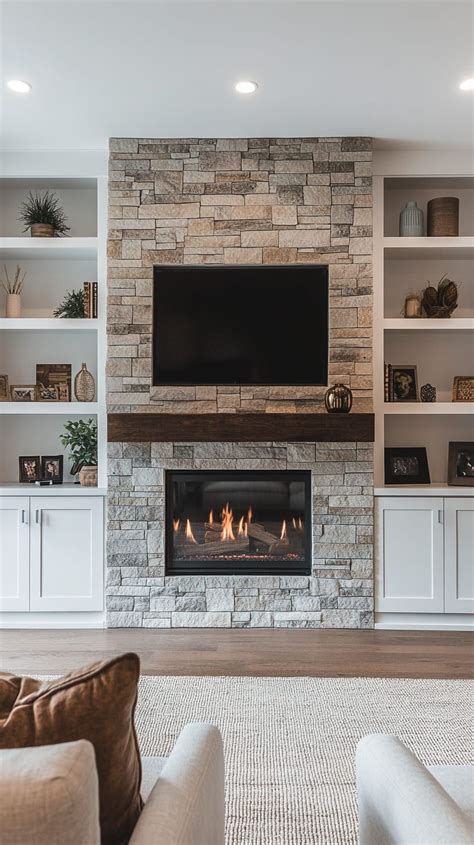
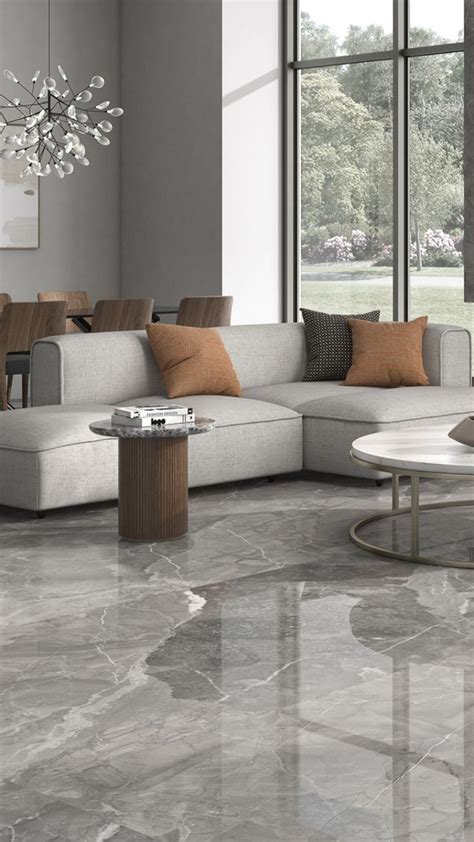
Grey wall tiles have firmly established themselves as a modern design staple across American homes, offering a sophisticated neutral backdrop that effortlessly bridges traditional and contemporary aesthetics. Whether you are updating a compact powder room in a suburban colonial or designing an expansive open-concept kitchen in a metropolitan loft, grey tiles provide unmatched design flexibility. Because grey spans a vast spectrum from cool, steely charcoals to warm, pebble-like taupes, it adapts seamlessly to changing interior trends without demanding a complete room overhaul.
Choosing the right tile goes beyond simply picking a favorite shade of grey. Homeowners must weigh the distinct characteristics of porcelain and ceramic materials, evaluate how different finishes interact with natural light, and determine where these surfaces will perform best. By understanding the practical trade-offs of each option, you can create a durable, visually striking wall installation that enhances your daily routine and elevates your home’s overall architecture.
Understanding the Core Differences: Porcelain vs. Ceramic Wall Tiles
When shopping for grey wall tiles, the most fundamental decision involves choosing between ceramic and porcelain. While both materials are crafted from natural clay and minerals and fired in kilns, their composition and manufacturing processes create significant performance differences. Ceramic tiles are typically fired at lower temperatures, making them slightly more porous and softer, which actually makes them exceptionally easy for installers to cut, shape, and fit around complex wall corners or electrical outlets.
Porcelain tiles, on the other hand, are pressed from finer clay and fired at much higher temperatures. This intense heat vitrifies the material, making it denser, heavier, and virtually impervious to moisture. Although porcelain is traditionally celebrated for floor installations due to its extreme durability, utilizing grey porcelain wall tiles in moisture-prone environments like shower enclosures or steamy master bathrooms provides long-term peace of mind. Ceramic tiles remain a fantastic, cost-effective choice for vertical dry areas like kitchen backsplashes or decorative accent walls where heavy impact and high moisture are not concerns.
Strategic Room-by-Room Applications for American Homes
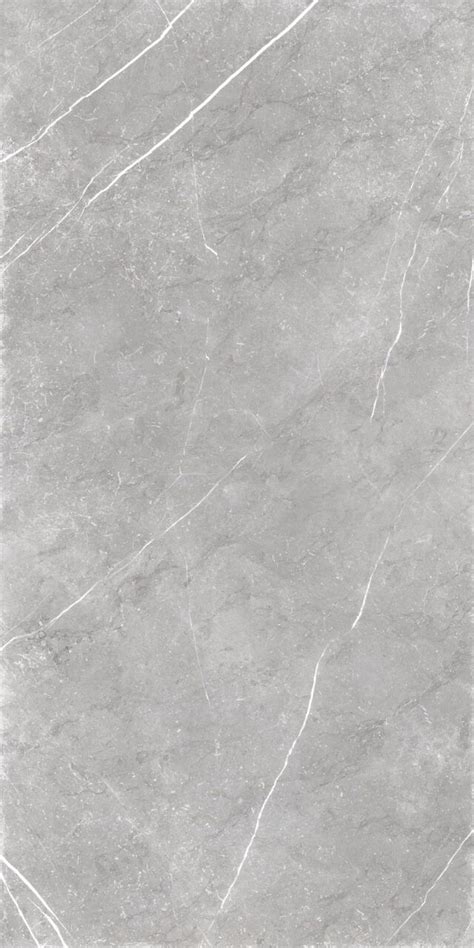
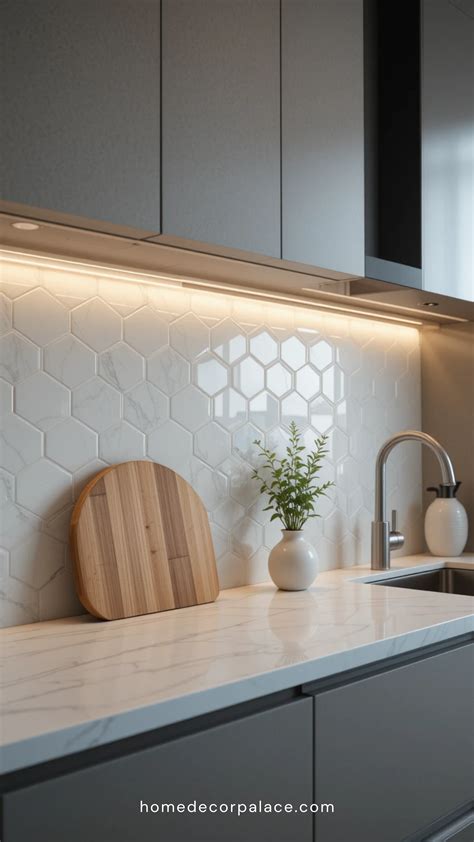
Integrating grey wall tiles successfully requires matching the tile format and material to the specific functional demands of the room. In the kitchen, a grey subway tile backsplash introduces a timeless texture that coordinates effortlessly with popular white quartz countertops, stainless steel appliances, and warm wood cabinetry. A glossy finish reflects light around the workspace, brightening rooms that feature limited natural window exposure.
In American bathrooms, extending grey wall tiles from the vanity backsplash straight up to the ceiling creates a dramatic, high-end hotel aesthetic. Large-format grey porcelain tiles minimize grout lines, resulting in a seamless visual field that makes small or awkwardly shaped bathrooms feel significantly larger and more cohesive. For laundry rooms and mudrooms, textured or patterned grey tiles offer a rugged, forgiving surface that masks everyday dust while adding architectural character to utilitarian spaces.
Selecting Finishes, Textures, and Shades
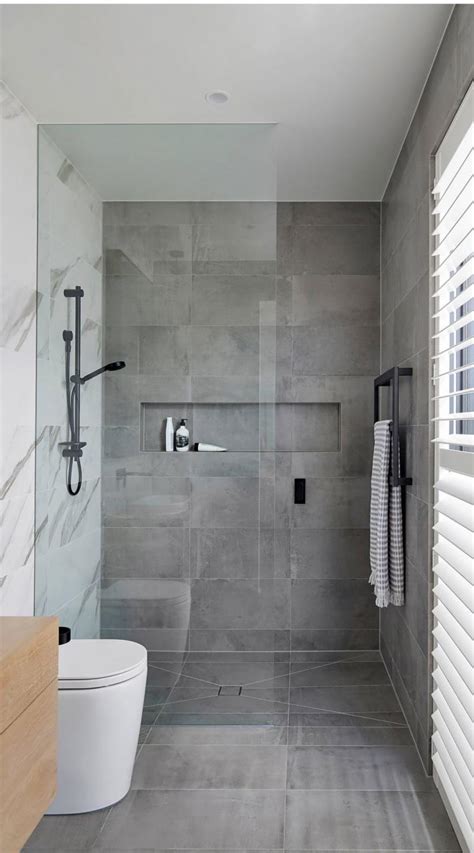
The finish of your grey wall tile fundamentally dictates both the mood of the room and the amount of ongoing maintenance required. Matte grey tiles offer a soft, velvety texture that absorbs light, making them ideal for creating calm, organic, Scandinavian-inspired spaces or moody, contemporary media rooms. They excel at hiding dried water spots, which is a major practical benefit in busy family bathrooms.
Conversely, polished or glossy grey tiles bounce light around a room, amplifying brightness in compact urban apartments or north-facing kitchens. If you want to introduce subtle visual interest without relying on bold colors, consider bevelled edges, dimensional geometric reliefs, or artisan-style handmade-look ceramics that feature gentle color variation from tile to tile. Balancing these tactile elements prevents a neutral grey color scheme from feeling cold or sterile.
Practical Installation and Maintenance Essentials
Achieving a professional-looking wall tile installation requires careful planning regarding layout lines, tile spacers, and grout selection. Because grey is available in countless undertones—ranging from blue and green to brown and purple—always test a few loose sample tiles against your paint colors and lighting before committing to a full pallet. Selecting the right grout color is equally critical; matching grout creates a uniform, monolithic surface, while contrasting charcoal or crisp white grout emphasizes individual tile shapes and graphic patterns.
Maintenance for grey wall tiles is generally straightforward, requiring only warm water, a mild pH-balanced cleaner, and a soft cloth or sponge. Avoid abrasive scouring pads that can dull glossy glazes or scratch softer ceramic surfaces. In high-moisture shower installations, applying a quality penetrating sealer to cement-based grout lines every year or two will prevent staining and keep your grey feature walls looking pristine for years to come.
Frequently Asked Questions
What is the main difference between grey porcelain and ceramic wall tiles?
The primary difference lies in density and water absorption. Porcelain is fired at higher temperatures, making it denser, heavier, and virtually waterproof. Ceramic is slightly softer and more porous, making it easier to cut and install on vertical walls in dry areas.
Are matte or glossy grey tiles better for a kitchen backsplash?
Both have distinct advantages. Glossy grey tiles reflect light and are very easy to wipe clean from kitchen grease splashes. Matte grey tiles offer a softer, contemporary look and do not show smudges as readily as high-gloss surfaces.
Do grey wall tiles make a small bathroom look dark?
Not necessarily. Choosing lighter shades of grey, utilizing large-format tiles to reduce grout lines, and incorporating glossy finishes or adequate vanity lighting will keep a small bathroom feeling bright, open, and airy.
How do I prevent my grey tiled wall from feeling cold and sterile?
You can warm up a grey-tiled space by pairing the tiles with natural wood elements, warm lighting fixtures, woven textiles, and organic accents like brass hardware or indoor plants.