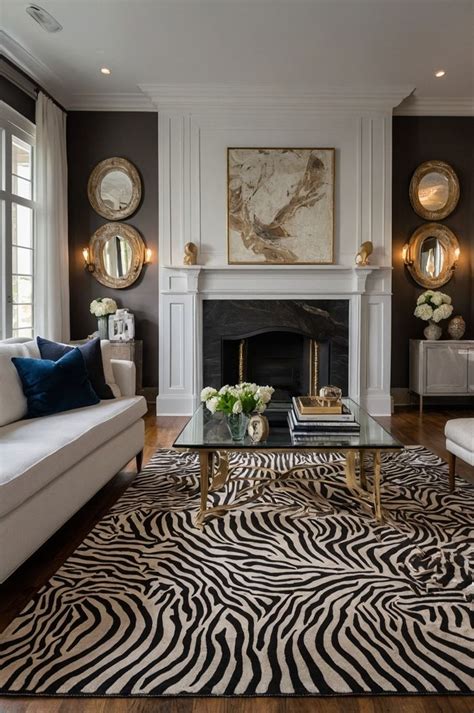
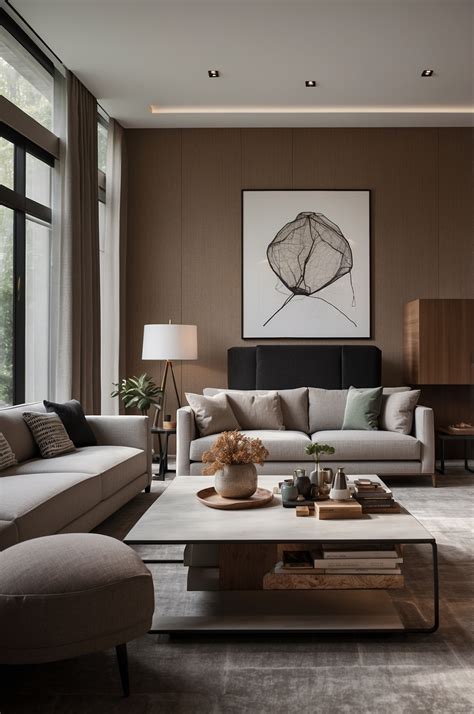
Finding the right storage balance in an American home often comes down to utilizing vertical space effectively. Whether you live in a compact urban apartment or a sprawling suburban house, clutter tends to accumulate on horizontal surfaces like kitchen counters and living room floors. Implementing customized shelving allows you to reclaim floor space while showcasing personal decor, books, and everyday essentials.
Embarking on a DIY shelving project offers complete control over dimensions, finishes, and hardware choices that standard flat-pack furniture simply cannot match. With dimensional lumber easily sourced from major U.S. home improvement retailers like The Home Depot or Lowe’s, creating custom storage is more accessible than ever. This comprehensive guide outlines 16 distinct shelf projects categorized by skill level, style, and installation requirements to help transform your living environment.
Renter-Friendly and No-Drill Shelving Solutions
Renting an apartment or townhouse often limits permanent modifications, making traditional wall-anchored shelves challenging to install without risking your security deposit. Fortunately, innovative no-drill and minimalist hanging solutions offer ample display and storage capabilities without requiring heavy power tools or creating large drywall anchors.
When planning renter-friendly installations, always verify weight capacities and consider the layout of your room to ensure heavy items remain safely grounded on freestanding or low-tension units rather than delicate wall surfaces.
1. Tension Rod Display Ledge
Utilizing heavy-duty shower tension rods wedged between a narrow hallway or kitchen alcove creates a clever framework for lightweight wooden boards. By resting small pine planks across parallel tension rods, you instantly form narrow display ledges for spices, small plants, or framed photographs without driving a single nail into the drywall.
This project takes roughly 20 minutes to set up and requires zero carpentry experience, making it an ideal weekend afternoon hack for studio apartments or tight rental kitchens.
2. Command Hook Hanging Baskets
Wire or wicker baskets suspended from heavy-duty adhesive wall strips provide exceptional vertical storage for entryways and bathrooms. By attaching high-capacity adhesive hooks to clean painted surfaces, you can hang shallow baskets to hold mail, keys, or folded hand towels securely.
This beginner-level project requires no tools beyond a damp cloth for surface preparation, and the adhesive strips peel away cleanly when your lease eventually ends.
3. Leaner Ladder Shelf
Constructing a leaning wooden ladder shelf from simple 2×3 pine boards gives you multi-tiered storage that leans securely against any wall without permanent fasteners. The natural gravity-based design relies on rubber feet at the base and top contact points to prevent sliding.
Rated at a beginner difficulty level with an estimated completion time of two hours, this project provides substantial vertical storage that moves easily from room to room or out of the apartment entirely when moving day arrives.
Rustic and Farmhouse-Style Wood Shelves
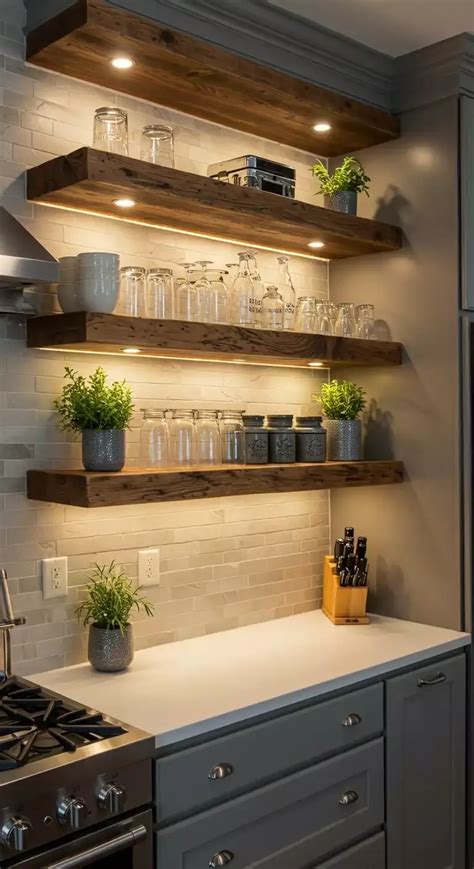
Rustic wooden shelving brings warmth, texture, and organic character into contemporary living rooms, kitchens, and dining spaces. Utilizing common board woods such as pine, oak, or poplar, you can distress and stain timber to replicate the sought-after look of reclaimed barn wood without paying specialty boutique prices.
Proper preparation, including thorough sanding and applying protective polyurethane finishes, ensures that your rustic shelves resist moisture, staining, and daily wear for years to come.
4. Thick-Cut Floating Box Shelves
Hollow-core floating box shelves create a substantial, architectural presence on living room accent walls while hiding the internal mounting cleat entirely. By gluing and nailing mitered pine boards together around a wall-anchored wooden block, you achieve a modern minimalist box that holds unexpected weight.
This intermediate-level project takes approximately three hours and requires a miter saw, wood glue, and heavy-duty wall anchors to ensure the box remains flush and secure against drywall studs.
5. Live-Edge Wood Slab Brackets
Sourcing a live-edge hardwood slab from a local sawmill or specialty lumber yard allows you to craft a stunning, one-of-a-kind mantel or bookshelf. Paired with forged iron support brackets, the natural organic curves of the wood grain become the undisputed focal point of the room.
Rated as intermediate due to the heavier weight of hardwood slabs, this project requires careful stud finding and masonry or heavy wood-screw installation to safely support heavy book collections.
6. Distressed Farmhouse Plank with Corbels
A thick dimensional pine board resting atop ornate wooden corbels delivers timeless American farmhouse charm to kitchen dining areas or above a living room sofa. Distressing the wood using hammers, chains, or vinegar-and-steel-wool aging techniques highlights the grain before sealing.
This project is very friendly for ambitious beginners, taking about an hour of active work plus drying time for stains, and provides robust structural support through the decorative corbel brackets.
Modern Industrial Pipe and Metal Brackets
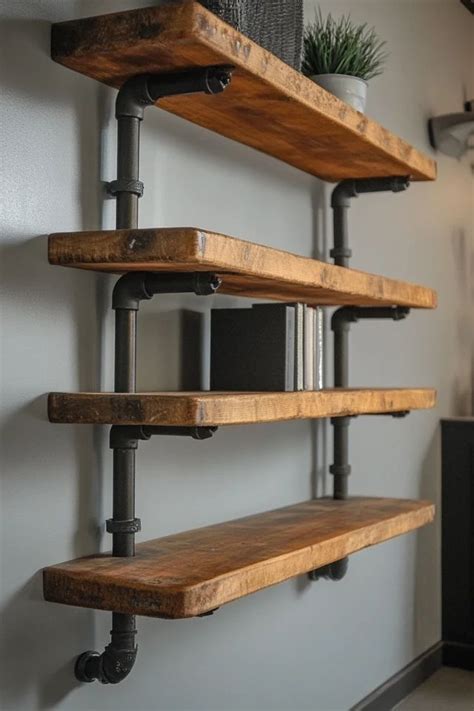
Industrial design continues to thrive in urban lofts and contemporary suburban homes alike, combining raw steel elements with warm timber finishes. Standard black iron plumbing pipes and threaded fittings serve as remarkably sturdy, structural shelf brackets that double as striking visual art.
When working with metal pipe components, always clean the factory-applied protective oil residue thoroughly using mineral spirits or dish soap before assembling and mounting your shelves.
7. Black Iron Pipe Bookshelf Unit
Mounting floor-to-ceiling vertical pipe flanges to wall studs while threading horizontal support nipples creates an imposing, ultra-strong industrial bookcase. Stained oak boards slide cleanly over the pipe framework to create multiple tiers of storage for heavy hardback books.
Rated at an intermediate-to-advanced difficulty level, this project requires precise measuring and reliable wall anchoring to support the combined weight of heavy metal pipes and dense hardwood planks.
8. Minimalist Steel Flat-Bar Brackets
Custom-welded or pre-fabricated steel flat-bar brackets offer a clean, ultra-slim profile that supports floating-style wood shelves with understated elegance. Finished in matte black or brushed nickel, these brackets provide exceptional rigidity without visual clutter.
This beginner-friendly installation takes roughly 45 minutes once the wood boards are cut and sanded, provided you screw the brackets directly into wooden wall studs.
9. Galvanized Conduit Corner Shelves
Transforming awkward, underutilized room corners into functional display space is easy with curved galvanized electrical conduit and matching corner-cut wooden triangles. The rounded metal piping hugs the wall perimeter while holding triangular shelves securely in place.
An intermediate project requiring basic metal-cutting tools and careful leveling, these corner shelves maximize small square footage in home offices and bedrooms.
Kitchen and Pantry Space-Maximizing Organizers
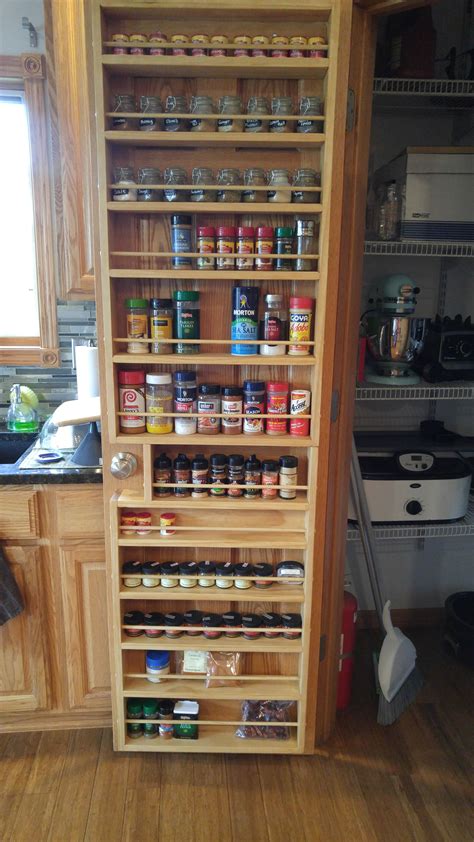
Kitchens and pantries frequently suffer from poor vertical organization, leaving valuable dead space above countertops, cabinets, and appliances. Installing specialized DIY storage solutions keeps culinary tools, dry goods, and dinnerware within easy reach while reducing countertop clutter.
Prioritize water-resistant finishes and food-safe sealants for any wooden shelving installed near kitchen sinks, stoves, or open food storage areas.
10. Under-Cabinet Mug and Utensil Rail
Mounting a sturdy wooden dowel or metal rail beneath upper kitchen cabinets creates convenient hanging storage for coffee mugs, measuring spoons, and frequently used cooking utensils. This keeps counters completely clear while adding practical utility.
A quick 30-minute beginner project, this installation requires only short wood screws, pre-drilling to prevent wood splitting, and simple cup hooks or S-hooks.
11. Deep Pantry Spice Ledges
Building shallow, narrow wood ledges attached to the inside of pantry doors or pantry side walls prevents small spice jars and condiment bottles from getting lost in the back of deep shelves. These mini-shelves require barely two inches of clearance yet store dozens of items.
This beginner project takes about an hour and utilizes scrap plywood or 1×2 pine boards joined with wood glue and finish nails.
12. Over-the-Fridge Utility Shelf
Constructing a custom bridge shelf that spans the alcove directly above your refrigerator provides a secure platform for bulk paper goods, cookbooks, or large appliances that rarely see daily use. Using heavy-duty side supports anchored to surrounding cabinetry or side walls ensures absolute stability.
Rated at an intermediate level, accurate measuring is critical here to ensure the refrigerator can still be pulled out for cleaning without hitting the new shelf.
Creative Bookshelf and Display Nooks
Bookshelves do not have to follow traditional horizontal rows; creative geometric configurations and dedicated display nooks transform ordinary walls into gallery-worthy focal points. Designing custom layouts allows you to display curios, sculptures, and literature with artistic intention.
Before mounting multi-piece geometric wall arrangements, map out your layout on the floor with painter’s tape to preview spacing and proportions before making permanent holes in your drywall.
13. Hexagonal Honeycomb Wall Cubes
Crafting interlocking hexagonal wooden cells creates a honeycomb display array that looks stunning whether left empty as wall art or filled with small trailing plants and crystals. Cutting precise 30-degree angles on a miter saw is the key to achieving tight, seamless corner joints.
This intermediate-to-advanced project requires patience during the glue-up phase, using painter’s tape or band clamps to hold the six sides together until the wood glue fully cures.
14. Asymmetrical Floating Gallery Shelves
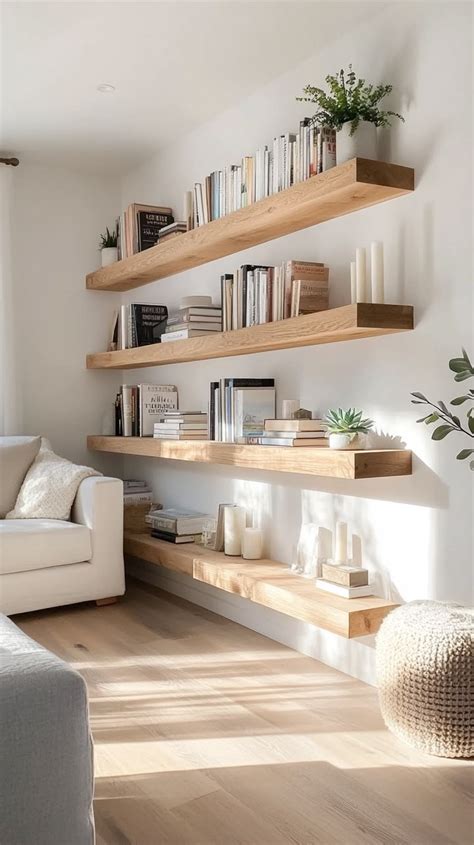
Installing staggered, multi-length floating shelves in an asymmetrical composition brings dynamic energy to blank stairwells or living room accent walls. Varying the vertical and horizontal distances between boards creates an organic gallery feel.
A beginner-friendly project in terms of building the shelves, though careful use of a spirit level and stud finder is vital to ensure the staggered layout looks deliberate rather than accidental.
15. Leather Strap Hanging Shelves
Suspending a stained pine board from heavy-duty leather upholstery straps looped over wall anchors brings a soft, tactile, mid-century modern aesthetic to bedrooms and nurseries. The leather straps provide gentle flexibility while securely cradling the wood plank.
This straightforward beginner project takes less than an hour and requires heavy-duty screws, washers, and thick leather strips easily found at local craft or leather-working supply stores.
16. Recessed Between-Stud Display Niche
For homeowners willing to cut into drywall, building a recessed shelf that fits directly between standard wooden wall studs creates flush storage that does not protrude into narrow hallways or small bathrooms. Framing the opening with simple trim gives a polished, custom architectural finish.
This advanced project requires drywall cutting tools, checking for hidden electrical wiring or plumbing pipes inside the wall cavity, and securing the box directly to vertical stud framing.
Frequently Asked Questions
What are some easy DIY shelf projects for beginners?
Beginner-friendly projects include tension rod display ledges, Command hook hanging baskets, leather strap hanging shelves, and simple pine boards resting on pre-made decorative brackets. These projects minimize complex woodworking cuts and rely on basic household tools.
How can I hang shelves without damaging rental apartment walls?
Renters can utilize high-capacity adhesive strips for lightweight baskets, spring-loaded tension rods wedged into alcoves, or freestanding leaning ladder shelves. These solutions provide valuable storage without requiring drywall anchors or large screw holes.
What materials and tools do I need for basic wall shelving?
Standard supplies include dimensional lumber (such as pine or oak), support brackets or mounting cleats, wood screws, wood stain or paint, a stud finder, a spirit level, a drill, and safety glasses. Always verify weight ratings for your specific wall type.
How do I style open shelving once it is built?
Balance open shelving by grouping items in odd numbers, combining vertical books with horizontal stacks, incorporating trailing greenery or small potted plants, and mixing textures such as ceramics, woven baskets, and metallic frames.