Furnishing a home with high-end, branded furniture often requires a substantial financial commitment, but savvy shoppers across the United States have long relied on an alternative route: warehouse liquidations and clearance centers. These specialized facilities frequently offer authentic pieces from well-known manufacturers at reductions reaching up to 60% off standard retail pricing. However, navigating the world of industrial warehouses, overstock liquidators, and factory outlet centers demands a different strategy than walking into a traditional retail showroom.
Understanding how these operations source their inventory, evaluating the physical condition of discounted items, and managing the logistics of transport are all vital steps for anyone hoping to score a genuine bargain. By learning to distinguish between genuine overstock deals and heavily marked-down lower-tier merchandise, shoppers can furnish their living rooms, bedrooms, and dining spaces with durable, stylish pieces without stretching their household budgets to the breaking point.
Navigating the U.S. Furniture Warehouse and Liquidation Landscape

The marketplace for discounted furniture in the United States encompasses several distinct types of operations, each sourcing its inventory through different channels. Overstock warehouses typically receive surplus items from major department stores and online retailers when production runs exceed consumer demand or when seasonal collections rotate out. These pieces are usually brand-new, factory-sealed, and arrive in pristine condition, representing the most straightforward path to significant savings on recognizable brand names.
On the other hand, liquidation centers and freight-claim warehouses handle items that may have experienced minor transit damage, packaging tears, or customer returns. While these facilities can offer even steeper discounts—frequently touching that 60% threshold—they require a much more discerning eye from the buyer. Factory clearance outlets operated directly by major furniture brands represent a middle ground, offering floor models, discontinued finishes, and light scratch-and-dent items backed by varying degrees of manufacturer assurance.
Distinguishing Overstock from Scratch-and-Dent Inventory

Recognizing the difference between overstock inventory and damaged returns is essential before committing cash to a warehouse purchase. Overstock pieces are identical to what you would find in a high-end retail showroom, sitting in unblemished boxes straight from the manufacturer. They carry the advantage of standard quality control, though buyers must verify whether the original manufacturer warranty transfers through a liquidator.
Scratch-and-dent or open-box merchandise, however, demands a thorough physical inspection. A minor cosmetic scuff on a wooden leg or a small tear in an inconspicuous piece of upholstery can translate into hundreds of dollars in savings. Savvy shoppers look past the initial superficial flaw to evaluate whether the structural integrity remains uncompromised, turning minor cosmetic imperfections into an opportunity for a high-end designer piece at a fraction of the cost.
Vetting Brand Authenticity and Assessing Construction Quality
When browsing through cavernous warehouse floors filled with unboxed sofas, dining tables, and media consoles, verifying the actual pedigree of the furniture becomes paramount. Reputable liquidation operations often display original tags, manufacturer markings stamped into the wood framing, or distinct hardware signatures that prove a piece originates from a respected maker. If a label is missing, understanding how to read construction cues can help establish quality.
Solid wood frames, heavy-gauge steel coil springs, and robust joinery—such as corner-blocked joints and dovetail drawers—signal that a discounted piece is built to last, regardless of whether it carries a famous brand name. Conversely, lightweight particle board, stapled joints, and flimsy hardware are red flags that indicate a low-quality build, even if the exterior veneer mimics a luxury aesthetic. Taking the time to examine these internal details prevents buyers from being swayed solely by a famous brand’s reputation.
A Practical Inspection Checklist for Warehouse Shoppers
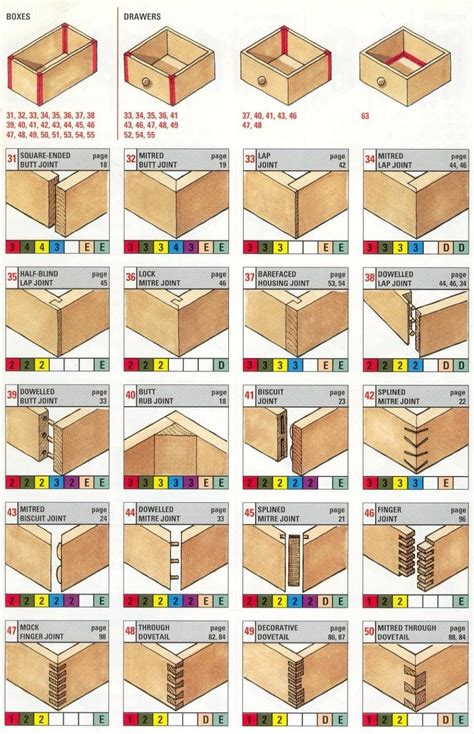
Approaching a warehouse floor with a structured inspection routine ensures that no critical detail is overlooked amidst the excitement of finding a low price. Always test seating components by pressing down firmly on cushions and listening for any creaking or shifting within the internal frame. For case goods like dressers and sideboards, pull out every drawer to check the smoothness of the glides and inspect the stability of the overall carcass.
Fabric upholstery should be inspected under bright lighting to check for color consistency, fabric pull marks, or hidden stains that might not be immediately visible in dim warehouse environments. For leather pieces, verify whether the surface is top-grain, bonded, or synthetic, as this drastically affects both durability and price justification. Bringing a tape measure along is also essential, as warehouse sales are almost always final, and discovering a piece does not fit your entryway after delivery is a costly mistake.
Mastering Logistics: Delivery, Pickup, and Return Policies
One of the most common pitfalls for shoppers visiting U.S. furniture warehouses is underestimating the logistical hurdles involved in getting heavy items home. Unlike traditional retail stores that offer white-glove delivery and assembly bundled into the price, liquidation warehouses often operate on an as-is, pickup-required basis. Renting a truck, securing moving blankets, and recruiting help to load and unload heavy furniture must be factored into your overall budget calculations.
Furthermore, return policies at warehouse and liquidation centers are notoriously strict. Most items are sold on a strict final-sale basis, meaning refunds or exchanges are rarely permitted if you simply change your mind or realize the color clashes with your living room rug. Clarifying these terms before handing over payment protects you from unexpected expenses and ensures that your discounted purchase remains a genuine financial win.
Evaluating Hidden Costs and Warranty Coverage
While the sticker price on a warehouse-discounted sofa or dining set may promise savings of up to 60%, buyers must calculate potential hidden expenses before finalizing a transaction. Administrative fees, loading charges, and third-party delivery rates can quickly erode the savings margin if they are not anticipated ahead of time. Additionally, asking management about remaining manufacturer warranties or purchasing third-party protection plans can safeguard your investment against future mishaps.
Weighing these logistical factors against the upfront discount helps maintain a realistic perspective on the total cost of ownership. When approached with careful research, a discerning eye, and a solid plan for transport, U.S. furniture warehouses remain one of the most effective resources for furnishing a home beautifully while keeping your budget entirely intact.
Frequently Asked Questions
What is the difference between furniture liquidators, outlet stores, and traditional warehouses?
Traditional warehouses store standard retail inventory ready for scheduled home delivery. Factory outlet stores sell overstock, discontinued collections, and floor models directly from specific brands. Furniture liquidators, by contrast, acquire varied inventories from closing businesses, freight claims, and cancelled corporate orders, often offering the deepest discounts but with more variable stock conditions.
How can buyers find reputable furniture warehouses near them in the U.S.?
Finding reputable warehouses involves searching for local liquidators, commercial surplus distributors, and manufacturer clearance centers within your region. Checking online reviews, visiting specialized local business directories, and monitoring estate or commercial liquidator auction sites can also reveal hidden brick-and-mortar warehouse locations that do not rely on traditional retail advertising.
Are furniture items at warehouse sales damaged or second-hand?
Not necessarily. While some liquidation centers handle scratch-and-dent goods or customer returns, many U.S. furniture warehouses specialize in factory-sealed overstock and discontinued merchandise that has never been used. Inspecting each specific piece in person allows you to determine whether the item is pristine overstock or a discounted floor model with minor flaws.
What should shoppers inspect before purchasing clearance furniture?
Shoppers should carefully examine frame stability, testing for wobbling or creaking in structural joints. For upholstered items, check fabric integrity, cushion density, and stitching. For wooden case goods, test drawer glides, inspect hardware attachments, and verify that any surface blemishes are purely cosmetic and easily correctable.