As homeowners and renters look toward the upcoming year, interior designers across the United States are signaling a definitive shift away from stark minimalism and cold neutrals. Instead, the focus is moving toward spaces that prioritize deep emotional resonance, tactile comfort, and personal storytelling. Whether you live in a compact urban apartment or a sprawling suburban home, incorporating even a few of these expert-backed directions can completely transform your daily living experience without requiring a total structural overhaul.
Predicting what comes next in home decor requires looking at how our lifestyles have evolved. Modern living rooms are no longer formal sitting areas reserved for guests; they function as home offices, relaxation sanctuaries, and entertainment hubs all at once. The 17 living room trends highlighted below reflect this lifestyle shift, blending high-end design intelligence with practical, everyday livability that anyone can adapt to their budget and space constraints.
The Evolution of Living Room Color Palettes

Color is perhaps the most immediate tool for shifting the mood of a room. Designers note that high-contrast monochrome and sterile gray schemes are stepping aside for enveloping, nature-inspired hues that create an intimate, grounded atmosphere.
1. Deep Earthy Terracottas and Clays
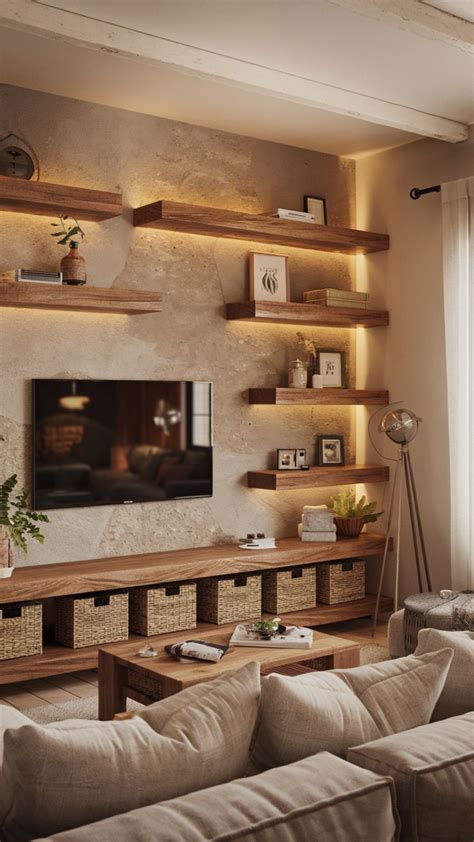
Warmth is making a massive comeback through saturated clay, rust, and terracotta paint tones. These colors ground a room and pair exceptionally well with natural wood finishes and creamy upholstery, creating a welcoming atmosphere that feels immediately restorative. If you rent or want to avoid painting entire walls, you can achieve this look through large-scale canvas art, heavy linen drapes, or rust-colored accent chairs. When pairing these warm pigments with existing furniture, look for balanced lighting to prevent smaller rooms from feeling enclosed.
2. Moody Botanical Greens
Sage and mint are giving way to much deeper, moodier forest and olive greens. These sophisticated shades bring a sense of the outdoors inside, acting as a rich neutral backdrop that makes vibrant art and vintage furniture pieces pop against the walls. To keep the space from feeling too dark, balance deep green walls with lighter flooring, cream-colored textiles, and warm metallic accents such as unlacquered brass or brushed bronze. This approach delivers a cocooning effect without sacrificing spatial brightness.
3. Buttercream and Warm Alabaster
For those who still prefer a lighter palette, stark brilliant white is being replaced by buttery creams, warm alabaster, and soft oatmeal tones. These hues reflect light gently while avoiding the clinical chill often associated with colder minimalist decor styles. They serve as a flexible canvas for experimenting with colorful accessories or textured natural woods. To implement this trend successfully, layer different shades of cream and beige together rather than relying on a single flat paint color to build visual depth.
Furniture Silhouettes and Layout Shifts
How we arrange our seating is changing to foster better conversation and relaxed lounging. Stiff, formal arrangements are being replaced by organic, welcoming layouts designed around human interaction.
4. Curved and Organic Sofas
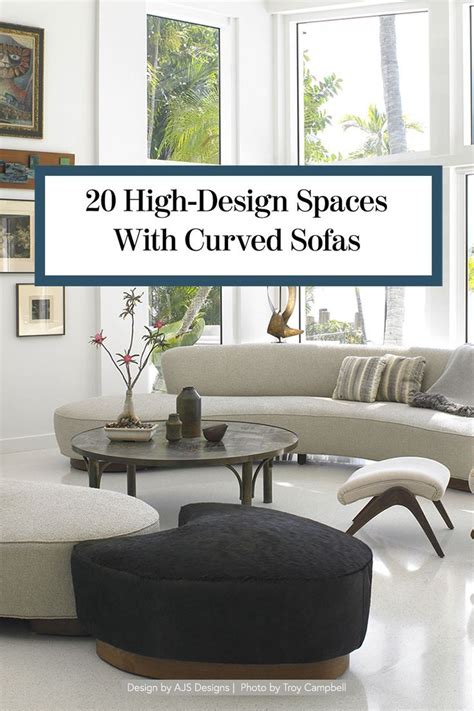
Curvilinear furniture silhouettes, including kidney-shaped sofas and rounded armchairs, soften the hard architectural lines typical of modern American construction. These pieces invite natural movement through a room and feel inherently more welcoming than boxy, linear sectionals. While curved furniture requires a bit more floor planning to ensure efficient space utilization, the resulting flow is much more fluid and harmonious. Pair these rounded seating options with round or oval coffee tables to reinforce the soft geometric rhythm.
5. Conversation-Driven Layouts
Instead of floating all furniture toward a single television screen, designers are pushing toward dual-focus layouts. By arranging armchairs and sofas to face one another, you create dedicated zones for reading, chatting, and enjoying music alongside media viewing. This layout acknowledges that the living room serves many functions beyond screen time. You can anchor the conversation area with a large area rug and keep mobile seating handy for larger gatherings without disrupting the main conversational flow.
6. Multifunctional Coffee Tables
The standard wooden coffee table is evolving into sculptural, multi-tiered, or upholstered pieces that double as extra seating or soft footrests. Look for travertine, burl wood, or leather-topped ottomans that add organic texture while keeping everyday clutter hidden beneath or inside. When selecting a multifunctional piece, consider how easily it transitions from a sturdy surface for a tray of drinks to a comfortable spot to prop up tired feet at the end of a long day.
Textiles, Layering, and Tactile Comfort
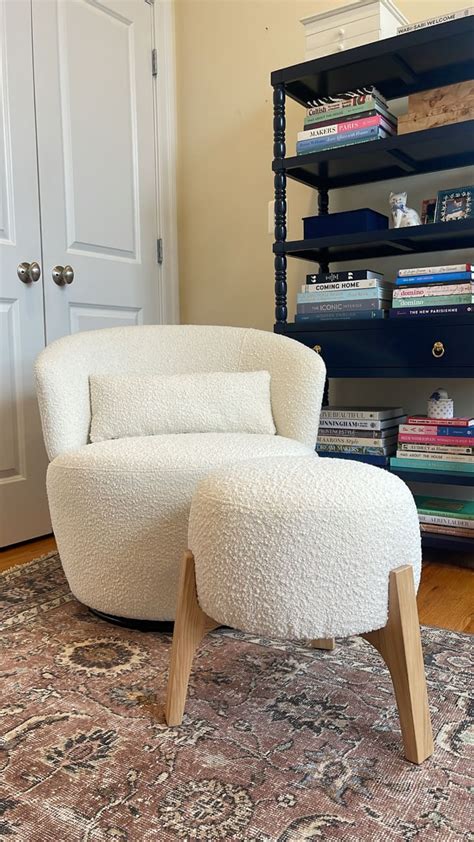
Texture is the secret ingredient that keeps a neutral room from feeling flat or uninspired. U.S. designers emphasize tactile richness as a key pillar of upcoming home styling.
7. Heavyweight Bouclé and Chenille
Textured fabrics like heavyweight bouclé, chunky chenille, and nubby wools remain essential for adding dimension to seating. These materials feel wonderful to the touch and provide visual depth, especially when contrasted with sleek metal or glass accent pieces. While these textured fabrics require a bit of mindful maintenance against everyday spills, their ability to transform a basic sofa or accent chair into a tactile statement piece makes the upkeep worthwhile for busy households.
8. Vintage and Distressed Rugs
Machine-made flat rugs are taking a back seat to vintage-inspired, faded Persian rugs or high-pile wool designs that look like cherished family heirlooms. These rugs anchor a room with history and easily mask everyday wear and tear in high-traffic family spaces. Choosing a rug with a faded, timeworn pattern allows you to introduce subtle color variations and intricate motifs without overwhelming the surrounding furniture or flooring materials.
9. Statement Window Treatments
Bare windows are officially out. Designers recommend floor-to-ceiling drapery panels in heavy linen, velvet, or raw silk to draw the eye upward, soften wall corners, and add incredible architectural presence to standard drywall living rooms. Hanging curtains higher and wider than the actual window frame creates an illusion of grandeur and expanded ceiling height. Choose rich, heavyweight fabrics that pool slightly on the floor for an effortlessly tailored and luxurious aesthetic.
Lighting and Atmospheric Ambience
Overhead recessed lighting is increasingly viewed as too harsh for evening relaxation. The upcoming focus is heavily centered on layered, architectural illumination.
10. Oversized Paper and Fabric Pendants
Sculptural overhead fixtures made from rice paper, stretched fabric, or ribbed glass act as functional art pieces. They diffuse light softly across the entire ceiling, eliminating harsh shadows and casting a warm, inviting glow over the entire seating area. These lightweight fixtures make a dramatic visual statement without adding heavy visual weight to the upper half of the room, making them ideal for spaces with standard or slightly lower ceiling heights.
11. Portable Cordless Lamps
Rechargeable cordless lamps have become a designer staple for placing on bookshelves, media consoles, and side tables where outlets are scarce. They offer effortless flexibility, allowing you to create cozy pool lighting anywhere in the room instantly without messy cords or extension cables. You can easily carry them from a bookshelf vignette to a coffee table arrangement depending on where you need a localized pool of warm light during evening hours.
12. Ambient Sconces Without Hardwiring
If you rent or want to avoid calling an electrician, plug-in wall sconces with exposed bulbs or warm fabric shades provide sophisticated accent lighting. They frame fireplaces, artwork, or mirrors with professional design flair while remaining completely non-permanent. Many modern plug-in fixtures come with remote dimmers and smart bulbs, letting you fine-tune the color temperature and brightness to match your preferred evening atmosphere.
Sustainable Choices and Vintage Integration
Conscious consumption and individuality are guiding purchasing decisions, moving away from mass-produced fast furniture toward items with genuine character.
13. Mixed Eras and Antique Accents
A curated living room should tell a story rather than look like a furniture showroom catalog. Designers encourage mixing mid-century modern coffee tables with antique wooden sideboards or postmodern accessories to give the space soul and individuality. The secret to successfully blending eras lies in finding a common thread, such as a repeating wood tone, a shared metallic finish, or a consistent color palette that ties disparate historical pieces together cohesively.
14. Responsibly Sourced Natural Woods
Light white oak and dark walnut remain perennial favorites, but the emphasis is heavily on certified sustainable forestry and raw, unfinished surfaces that showcase natural wood grain and knots rather than heavy synthetic lacquers. Embracing natural imperfections in wood furniture celebrates organic beauty and creates a grounded connection to nature within your home. Over time, these untreated or lightly sealed wooden pieces develop a rich patina that tells the ongoing story of your household.
15. Handcrafted Ceramics and Stoneware
Mass-produced plastic decor is out; heavy, artisan-made ceramic vases, terracotta vessels, and hand-thrown sculptural objects are in. These pieces celebrate human craftsmanship and bring authentic texture to open shelving and coffee table vignettes. Displaying unique, handcrafted items adds an instant layer of curated sophistication and warmth that manufactured decor simply cannot replicate, turning everyday surfaces into personal art galleries.
Personalized Styling and Emotional Spaces
Ultimately, interior design should reflect the people who inhabit the space. The final trends emphasize self-expression over rigid rules.
16. Gallery Walls with Mixed Media
Symmetrical gallery grids are giving way to organic, asymmetric gallery walls that combine oil paintings, vintage photographs, small textile hangings, and framed objects. This creates an evolving focal point that you can easily add to over time as your collection grows. By mixing different frame styles, matting techniques, and dimensional objects, you build a dynamic visual narrative that draws the eye and encourages lingering curiosity from guests.
17. Dedicated Hobby and Nook Spaces
Even in a modest living room, carving out a small corner for a reading chair, a record player station, or a plant-filled windowsill honors personal well-being. These micro-zones ensure your living room serves your mental health just as much as your aesthetic standards. By defining these cozy micro-spaces with a dedicated floor lamp, a small side table, or a plush rug, you create functional retreats within the larger room for quiet reflection and daily enjoyment.
Bringing these trends into your home doesn’t require adopting every single idea at once. Instead, look at your current living room and identify one or two areas that feel stagnant—whether that is a lack of warm lighting, stiff seating arrangements, or a cold color palette. By introducing tactile fabrics, rich earthy tones, or vintage accessories thoughtfully, you can build a living space that feels both fashion-forward and deeply comforting for years to come.
Frequently Asked Questions
How can renters incorporate these living room trends without making permanent changes?
Renters can easily embrace upcoming trends by focusing on non-permanent updates. Use rich, saturated colors through throw pillows, heavy curtains, and vintage-style area rugs. Incorporate lighting trends with plug-in wall sconces and portable cordless lamps, and add organic shapes through curved accent chairs and handmade ceramic decor rather than structural architectural modifications.
Which outdated living room trends are being phased out?
Designers are actively phasing out stark all-gray color palettes, fast-furniture matching sets, high-gloss synthetic finishes, and overly sterile minimalism. In their place, homes are welcoming warmth, mixed furniture eras, tactile fabrics like bouclé, and deep nature-inspired hues that prioritize comfort and personal character.
How do I balance trendy decor pieces with timeless foundational furniture?
The safest approach is to keep large, expensive anchor pieces—such as your main sofa or media console—in neutral, classic silhouettes and durable fabrics. Layer current design trends on top using easily swappable elements like throw blankets, accent pillows, lighting fixtures, wall art, and smaller decorative objects.