Grey tiles have firmly established themselves as a foundational element in modern American interior design. Far from being a fleeting neutral trend, grey offers an extraordinary spectrum of versatility, adapting effortlessly to everything from coastal California beach houses to urban industrial lofts in Chicago. Choosing the right grey tile involves evaluating undertones, balancing surface finishes, and understanding how natural light transforms a room throughout the day.
When planning a home update, homeowners and renters alike look for materials that combine visual sophistication with everyday durability. Whether you are remodeling a compact powder room or laying down a durable floor for an open-concept living area, grey tiles provide a sophisticated canvas. By exploring the nuances of different shades, materials, and layout patterns, you can curate a space that feels deeply personal, polished, and timeless.
Understanding Shades and Undertones of Grey Tile
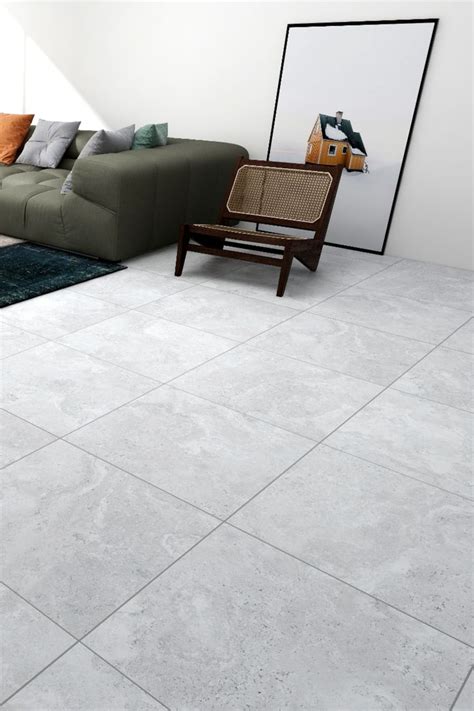
The secret to successful grey tile design lies in recognizing its undertones. Grey is rarely a pure, neutral mix of absolute black and white; instead, it often leans toward warm beige undertones (sometimes called “greige”), cool blue tones, or earthy green hints. Assessing these undertones ensures your chosen tile harmonizes with existing architectural elements like hardwood trim, cabinetry, and wall paint.
Light grey shades, such as dove or silver, work exceptionally well in smaller U.S. bathrooms or dimly lit entryways because they reflect ambient light and create an expansive feel. Conversely, deep charcoal and slate tones anchor large, sun-drenched rooms, providing a dramatic contrast against crisp white trim and warm wood furnishings. Paying attention to these subtle chromatic shifts prevents your interior from looking stark or cold.
Selecting the Right Material: Porcelain, Ceramic, and Natural Stone
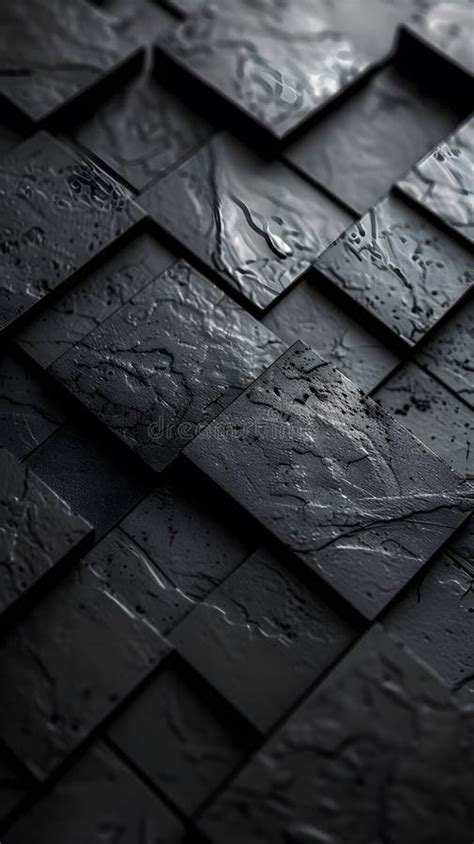
Material selection dictates both the lifespan and the tactile experience of your tile installation. Porcelain tiles stand out as the premier choice for high-traffic residential spaces across the United States. Thanks to their low porosity and dense manufacturing process, porcelain options withstand heavy foot traffic, moisture, and temperature fluctuations without chipping or staining.
Natural stone options like marble, slate, and travertine offer unmatched organic beauty, though they require a bit more maintenance. Each stone tile features unique veining and mineral deposits, ensuring no two installations look identical. Ceramic tiles, while generally more budget-friendly and easier to cut for DIY projects, are best reserved for vertical surfaces like kitchen backsplashes or low-impact bathroom walls rather than high-load flooring.
Room-by-Room Applications for Modern U.S. Homes
Kitchen Backsplashes and Floors
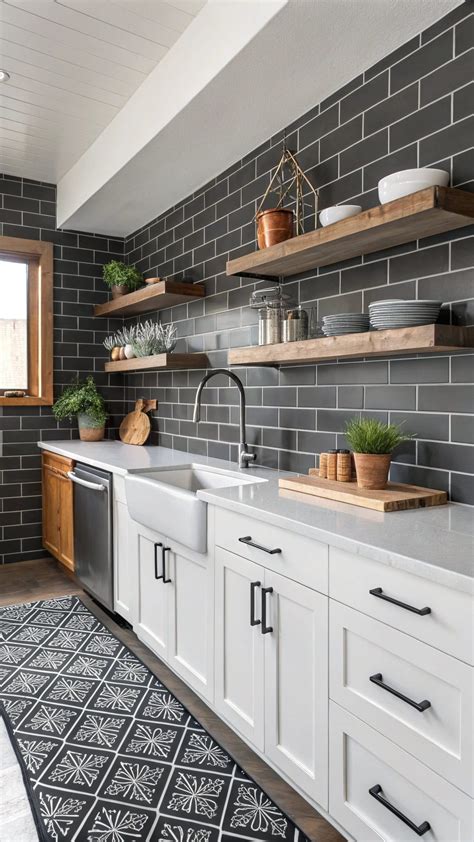
In the heart of the home, grey tiles offer a practical yet stylish solution. A handmade-look grey subway tile backsplash can soften the starkness of stainless steel appliances while protecting walls from cooking splashes. For kitchen floors, large-format matte grey porcelain tiles minimize grout lines, creating a seamless sweep that makes cleanup effortless after busy family dinners.
Bathrooms and Wet Rooms
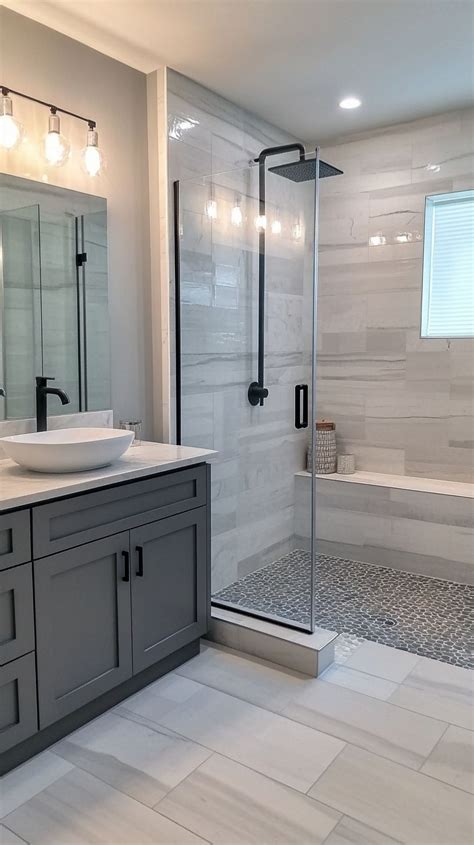
Bathrooms benefit immensely from the calming nature of grey tiles. Combining pale grey wall tiles with a darker geometric floor tile establishes a balanced, spa-like sanctuary. When selecting tiles for wet rooms or shower stalls, prioritize textured or matte finishes that offer slip resistance when wet, ensuring safety without compromising on contemporary style.
Living Areas and Entryways
Mudrooms and entryways take the brunt of outdoor weather, making durable grey slate or textured porcelain an ideal investment. In main living spaces, large grey tiles paired with radiant floor heating systems offer a luxurious, tactile foundation that feels wonderful underfoot during colder winter months in northern regions.
Finishes and Layout Patterns: Matte vs. Polished
The finish of your tile dramatically alters both the aesthetic and functional performance of a room. Polished tiles feature a mirror-like sheen that bounces light around a space, making them a popular choice for formal dining rooms and primary bathrooms. However, they can become slick when wet and show footprint smudges more readily in high-traffic zones.
Matte finishes absorb light rather than reflecting it, yielding a grounded, organic, and contemporary feel. They are remarkably forgiving when it comes to water spots and dust, making them a smart choice for busy family kitchens and mudrooms. Experimenting with layout patterns—such as herringbone, vertical stacked bonds, or classic chevron—adds architectural interest to even the simplest solid grey tile.
Frequently Asked Questions
What are the best shades of grey tile for small versus large spaces?
For small spaces like powder rooms or narrow hallways, light grey or dove grey tiles are ideal because they reflect light and make the area feel larger. For large, open-concept rooms with plenty of natural light, deeper charcoal or slate grey tiles help anchor the space and create a cozy, sophisticated atmosphere.
How do I choose between a matte and a polished tile finish?
Choose a polished finish if you want to maximize light reflection and create an upscale, formal aesthetic in low-moisture areas. Opt for a matte finish if you prefer a subtle, slip-resistant surface that hides dust, smudges, and water spots effectively in busy areas like kitchens and bathrooms.
Which grey tile materials are most durable for high-traffic areas?
Porcelain tiles are the most durable choice for high-traffic residential areas because they are dense, highly resistant to moisture, and less prone to chipping or cracking compared to standard ceramic or soft natural stones.
What colors and decor styles pair best with grey tiles?
Grey tiles pair beautifully with warm woods, crisp whites, matte black fixtures, and organic textures like linen and leather. They complement modern minimalist, Scandinavian, transitional, and industrial interior design styles.
Are grey tiles difficult to maintain in wet areas like bathrooms?
Maintenance largely depends on the material rather than the color. Glazed porcelain or ceramic grey tiles are extremely easy to clean with mild soap and water. Natural stone grey tiles require periodic sealing to protect against moisture absorption and staining.